Rajnath Singh Raises Alarm on 'White-Collar Terrorism' Following Delhi Car Bomb Blast

Latest from X
Rajnath Singh Raises Alarm on 'White-Collar Terrorism' Following Delhi Car Bomb Blast
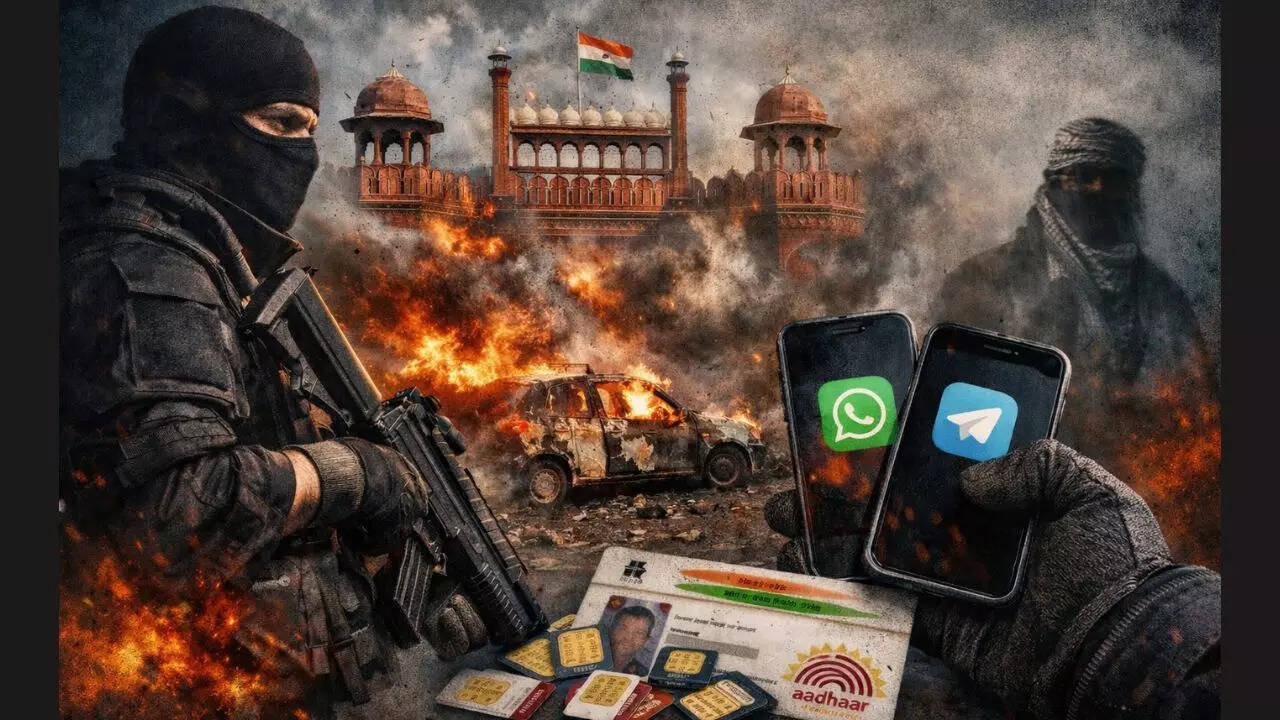
New Delhi, January 4, 2026 – Indian Defence Minister Rajnath Singh has issued a stark warning about the rise of "white-collar terrorism" in the country, pointing to a disturbing trend of highly educated individuals, including doctors, becoming involved in terrorist activities. His remarks, made on January 2, 2026, during an event in Rajasthan, come in the wake of a deadly car bomb blast near Delhi’s iconic Red Fort, which has shocked the nation and intensified concerns over evolving security threats.
Speaking at the 104th foundation day of Bhupal Nobles University in Udaipur, Singh highlighted the involvement of educated professionals in the Red Fort attack, stating, “They had degrees in their hands, but RDX in their pockets.” According to reports, the explosion, which occurred in late 2025, involved an i20 car packed with explosives, driven by an individual identified as Dr. Umar-un-Nabi. The blast claimed 15 lives and underscored the sophistication and audacity of the perpetrators.
Unraveling a Sophisticated Terror Network
Investigations into the Delhi blast have revealed chilling details about the planning and execution of the attack. According to the Times of India, the National Investigation Agency (NIA) uncovered links to a broader “white-collar” terror module with connections to Pakistani handlers. The probe began to gain traction after posters from the banned terrorist group Jaish-e-Mohammad (JeM) appeared in Srinagar in mid-October 2025, warning of attacks on security forces. Subsequent operations led to the seizure of a massive cache of arms and ammunition, including 2,900 kg of ammonium nitrate, potassium nitrate, and sulfur, signaling the scale of the planned violence.
A key element of the investigation has been the discovery of so-called “ghost” SIM cards, which allowed terrorists to communicate covertly with their handlers across the border. These untraceable SIMs, often registered under false identities or not linked to any verifiable user, have posed significant challenges for security agencies attempting to disrupt such networks. The involvement of highly educated individuals in these operations has added a layer of complexity, as their professional backgrounds provide them with resources and skills to evade detection.
The Rise of 'White-Collar Terrorism'
Singh’s use of the term “white-collar terrorism” has brought attention to a growing phenomenon where individuals from seemingly respectable professions are drawn into extremist activities. In his speech, he expressed concern over the moral and ethical decline in education systems, suggesting that such trends could have catastrophic consequences for society. “When a doctor, who is supposed to save lives, carries RDX instead of a prescription, it is a matter of grave concern,” Singh remarked, as reported by Republic Bharat.
This is not the first time India has faced terrorism involving educated perpetrators, but the scale and sophistication of the Red Fort attack have amplified fears. Security experts note that the participation of professionals like doctors or engineers in terror plots often indicates access to better funding, technical expertise, and social camouflage, making these threats harder to predict and prevent.
Background: A Series of Alarming Incidents
The car bomb blast near Red Fort is part of a series of terror-related incidents in India over the past year. Delhi, as the national capital, has long been a high-profile target for militant groups seeking to disrupt peace and instill fear. The attack, which occurred in a busy area near a historic landmark, was designed for maximum impact, both in terms of casualties and psychological effect. The NIA has since taken over the investigation, with several suspects, including an alleged co-conspirator named Jasir Bilal Wani from Srinagar, arrested in connection with the case.
India’s security apparatus has been on high alert following intelligence inputs about potential attacks by groups like JeM, which has been implicated in multiple high-profile incidents in the past, including the 2001 attack on the Indian Parliament and the 2019 Pulwama bombing. The involvement of foreign handlers, as uncovered in the current probe, further complicates the situation, raising questions about cross-border terrorism and the effectiveness of counterterrorism measures.
Outlook: Strengthening Defenses Against Evolving Threats
As investigations continue, Rajnath Singh’s warning about “white-collar terrorism” serves as a call to action for both policymakers and society at large. Addressing the root causes—whether they lie in radicalization, failures in education, or socioeconomic factors—will be crucial to preventing such trends from taking deeper root. Meanwhile, security agencies are intensifying efforts to dismantle terror networks, focusing on disrupting communication channels like “ghost” SIM cards and tracking the flow of funds and materials used in attacks.
The Delhi blast and the subsequent revelations have reignited debates over national security and the need for comprehensive reforms in intelligence-sharing and counterterrorism strategies. As India grapples with this new dimension of terror, the government faces the dual challenge of safeguarding its citizens while addressing the societal factors that enable such acts. For now, the nation remains on edge, with authorities urging vigilance in the face of an ever-evolving threat landscape.
Track this story live
Live World Map
Monitor global events in real time with a live activity map and hotspot summaries.
Global Conflict Map
Follow active conflict zones, strike activity, and emerging geopolitical hotspots.
Current Wars
Track all active wars and armed conflicts happening in the world right now.
Iran War
Track the Iran war in real time with proxy network monitoring, Strait of Hormuz risk, and market impact.
Original Sources
- •
- •
Editorial process: This article was synthesized from the original sources cited above using The World Now's AI editorial system, with byline accountability from our editorial team. We grade every story for source grounding, factual coherence, and on-topic match before publication. Read more about our editorial standards and contributors. Spot something inaccurate? Let us know.
Last updated: January 17, 2026






