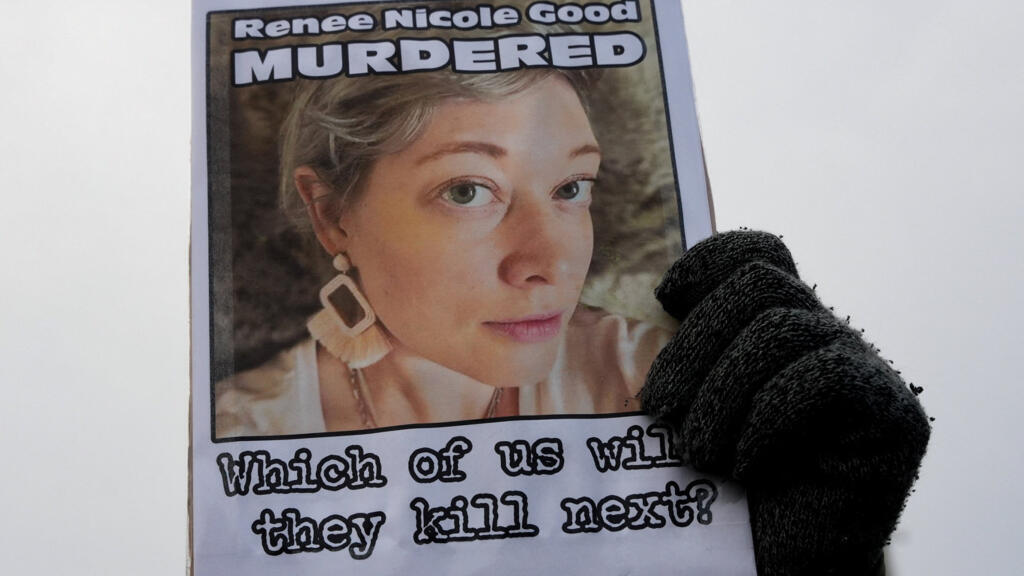

Protests Intensify in Minneapolis After ICE Officer Kills Woman in Traffic Stop
Minneapolis, Minnesota – Clashes between protesters and law enforcement erupted in Minneapolis following the fatal shooting of a 37-year-old woman by a U.S. Immigration and Customs Enforcement (ICE) officer during a traffic stop, sparking widespread condemnation of federal immigration policies and drawing sharp rebukes from the White House.
The incident occurred on Wednesday, January 7, 2026, when ICE agents approached a vehicle driven by Renee Nicole Good, resulting in her death from gunshot wounds. Protests quickly followed, with demonstrators decrying the shooting as emblematic of aggressive federal immigration enforcement tactics. Local leaders have voiced strong criticism, linking the event to broader tensions over U.S. immigration policies amid heightened ICE operations nationwide.
According to reports, the shooting took place during what was described as a routine traffic stop. As agents neared Good's car, the officer opened fire, killing her on the scene. Details surrounding the precise sequence of events remain under investigation, but the episode has ignited immediate public outcry. Demonstrators gathered in the streets of Minneapolis, a city with a history of civil unrest, leading to confrontations with police. Law enforcement deployed crowd control measures as protests turned chaotic, with reports of scuffles and arrests.
The White House responded swiftly on Thursday, January 8, characterizing the subsequent clashes as “organised attacks” on U.S. law enforcement. In a statement, administration officials framed the unrest as targeted aggression against federal agents carrying out their duties. Vice President JD Vance echoed this sentiment, asserting that the ICE officer “acted in self-defence.” However, this claim has been made without publicly available evidence, prompting skepticism from civil rights advocates and local officials who demand transparency and an independent probe.
Minneapolis Mayor Jacob Frey, a vocal critic of expansive federal immigration actions, condemned the shooting and called for accountability. “This tragedy underscores the dangers of unchecked federal overreach in our communities,” Frey stated in a press release, aligning with other local leaders who have highlighted the incident as a flashpoint in ongoing debates over immigration enforcement. Community organizers, including representatives from immigrant rights groups, have organized vigils for Good, portraying her as a victim of systemic bias in policing practices.
Background on ICE Operations and Minneapolis Tensions
Immigration and Customs Enforcement, a component of the Department of Homeland Security, is tasked with enforcing federal immigration laws, including interior removals of undocumented individuals. Under the current administration, ICE has ramped up operations as part of a broader push for stricter border and interior enforcement, including workplace raids and traffic interdictions targeting suspected violations. These efforts have faced legal challenges and protests in so-called sanctuary jurisdictions, cities that limit cooperation with federal immigration authorities.
Minneapolis holds particular significance in this context. The city, home to large Somali, Hmong, and Latino immigrant populations, was the epicenter of massive protests in 2020 following the police killing of George Floyd, which exposed deep-seated issues of policing and racial justice. That unrest led to the burning of a police precinct and national reckoning on law enforcement practices. While the current incident involves federal agents rather than local police, parallels have been drawn by activists who argue it reflects persistent patterns of lethal force against marginalized communities.
Minnesota Governor Tim Walz has urged calm while calling for a state-led review alongside federal investigations. The FBI and ICE's Office of Professional Responsibility have launched inquiries into the shooting, standard procedure for officer-involved deaths. Good's family has released few details, but advocates note she leaves behind relatives in the Twin Cities area, fueling personal stories of loss amid the political rhetoric.
Escalating Protests and National Implications
By Thursday evening, protests had spread to nearby St. Paul, with hundreds marching under slogans like “No Justice, No Peace” and “Defund ICE.” Law enforcement, including Minnesota State Patrol, used non-lethal munitions to disperse crowds after reports of thrown objects and barricades. At least a dozen arrests were reported, though no serious injuries among officers or protesters have been confirmed.
The episode occurs against a backdrop of polarized national discourse on immigration. Polls indicate public division, with support for tougher enforcement in some quarters clashing against humanitarian concerns over family separations and deportations. The Trump administration, with Vance as vice president, has prioritized mass deportations, vowing to execute what it calls the largest in U.S. history. Critics, including the ACLU, warn that such policies heighten risks of confrontations like the one in Minneapolis.
As investigations proceed, the unrest's trajectory remains uncertain. Local leaders are pushing for de-escalation and policy reforms, while federal officials defend the agents' actions. Whether this incident catalyzes broader civil unrest or remains a localized flashpoint will depend on forthcoming evidence and responses from all sides. For now, Minneapolis mourns Good while bracing for potential further demonstrations, underscoring the volatile intersection of immigration enforcement and public safety in America.
(Word count: 712)






