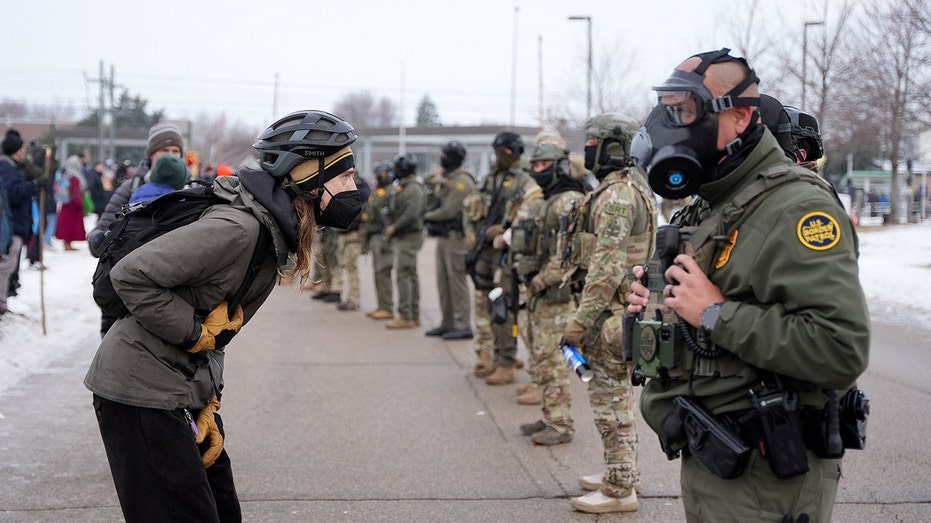

Protests Intensify in Minneapolis After ICE Officer Fatally Shoots Woman During Traffic Stop
Minneapolis, MN – Protests against U.S. Immigration and Customs Enforcement (ICE) have escalated in Minneapolis following the fatal shooting of a 37-year-old woman by an ICE officer during a traffic stop on January 7, 2026. The incident, which the Trump administration describes as involving an attempt by the driver to run over an agent, has sparked chaotic demonstrations, threats against federal agents, and sharp criticism from local leaders and civil rights groups.
The shooting occurred amid heightened ICE enforcement operations under the Trump administration's immigration policies. According to reports, the woman was killed in her car during the stop, prompting immediate outrage and demonstrations that have since spread nationwide. Protesters have condemned federal immigration tactics, with some local officials calling for greater transparency in the investigation.
Minneapolis Mayor Jacob Frey addressed the growing unrest on Friday, January 9, demanding that the federal government allow state authorities to participate in the probe. "We need a transparent investigation," Frey stated, emphasizing the need for state involvement to ensure accountability. His comments reflect broader tensions between local leaders and federal agencies, particularly in a city with a history of civil unrest, including the 2020 George Floyd protests that drew global attention to police accountability issues.
By Friday evening, protests in downtown Minneapolis turned volatile, with demonstrators directing explicit threats at ICE agents. Videos and eyewitness accounts captured agitators shouting, "You're going to f---ing die," amid chaotic scenes of clashes with law enforcement. The Trump administration has maintained that the officer acted in self-defense after the driver allegedly attempted to run over an agent, framing the incident as a response to an imminent threat rather than excessive force.
Adding fuel to the fire, the National Association for the Advancement of Colored People (NAACP) posted a controversial social media image on Friday comparing ICE agents to Ku Klux Klan (KKK) members. The split-image graphic, captioned "Different mask, same agenda," has gone viral, amassing over 70,000 reactions. The post, shared amid the ongoing protests over the fatal shooting, has drawn both support from critics of ICE policies and backlash for invoking historical comparisons to the KKK, a white supremacist group notorious for racial violence in the early 20th century.
The NAACP's statement aligns with long-standing criticisms of ICE's tactics, particularly under administrations emphasizing mass deportations and workplace raids. ICE, established in 2003 as part of the Department of Homeland Security, has faced accusations of overreach from immigrant rights advocates, while supporters argue it is essential for border security and enforcing immigration laws.
Background on ICE and Minneapolis Tensions
This incident unfolds against a backdrop of intensified immigration enforcement since President Trump's return to office in January 2025. The administration has prioritized deportations, leading to increased ICE presence in sanctuary cities like Minneapolis, which has historically resisted federal immigration crackdowns. Minnesota's Democratic leadership has clashed with federal authorities over policies perceived as targeting immigrant communities.
Minneapolis itself remains scarred by past unrest. The 2020 killing of George Floyd by police officers ignited months of protests, riots, and a national reckoning on policing. While this case involves a federal officer rather than local police, the location has amplified public sensitivity to use-of-force incidents involving vehicles and traffic stops.
Escalating Demonstrations and Official Responses
As of January 9, protests continued into the evening, with reports of road blockages and confrontations near federal buildings. Law enforcement has deployed barriers and additional personnel to protect ICE facilities, but no arrests or injuries among agents were immediately reported from the latest clashes.
Nationwide ripple effects have emerged, with solidarity demonstrations reported in other major cities. Immigrant advocacy groups have rallied behind calls for defunding or reforming ICE, echoing demands from 2018-2020 protests. Conversely, supporters of stricter immigration measures, including some Trump administration officials, have defended the agent's actions as necessary amid rising encounters with non-compliant individuals.
Frey's push for state involvement highlights jurisdictional disputes: Federal cases like this typically fall under the Department of Justice's purview, but local leaders argue for collaborative probes to build public trust.
The investigation remains ongoing, with the FBI leading the inquiry. No charges against the ICE officer have been announced, and details about the woman's identity or immigration status have not been publicly released.
As tensions simmer, the coming days could see further protests or federal responses. With the NAACP post amplifying divisions and threats escalating on the streets, Minneapolis serves as a flashpoint in the broader national debate over immigration enforcement and law enforcement accountability. Authorities urge calm while demonstrators vow to continue until justice is served.
(Word count: 712)






