
Protests Intensify in Minneapolis After ICE Officer Fatally Shoots U.S. Citizen During Traffic Stop
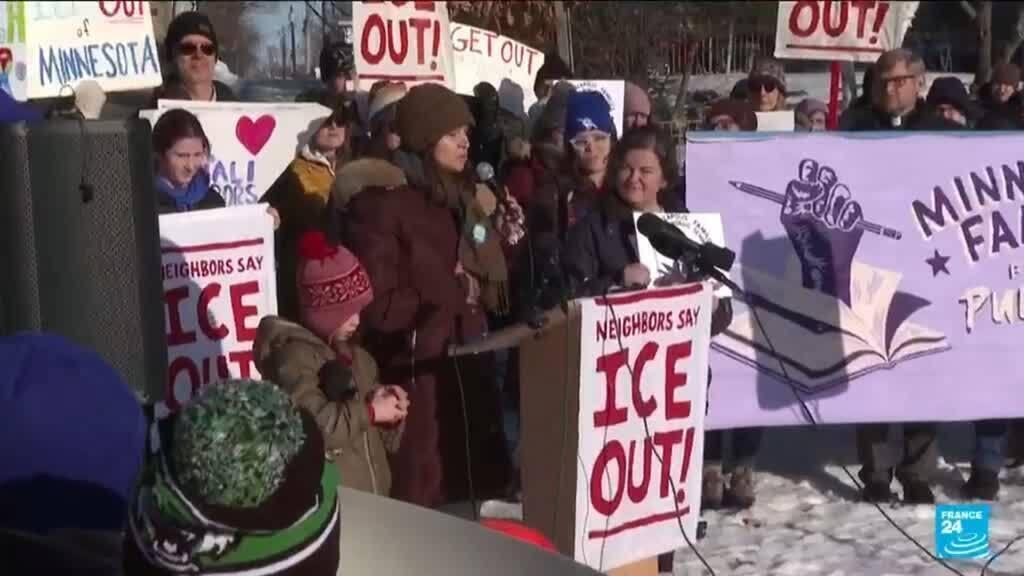
Minneapolis, Minnesota — Protests have erupted across the city following the fatal shooting of Renee Nicole Good, a U.S. citizen and mother of three, by a U.S. Immigration and Customs Enforcement (ICE) officer during a traffic stop on Wednesday, January 7, 2026. Civil liberties and migrant-rights groups have called for nationwide rallies on Saturday, while state authorities have launched a separate investigation into the incident, heightening tensions over federal immigration enforcement.
The shooting occurred around 10:14 p.m. GMT on January 7, prompting immediate backlash from local leaders who have condemned federal immigration policies. Good, described in reports as an anti-ICE activist, was killed in the encounter, leading demonstrators to carry her image through the streets in mourning and protest. According to multiple accounts, the death of the Minneapolis resident has sparked widespread demonstrations, with some protesters erecting barricades and taking control of streets near the incident site.
Eyewitness reports and media coverage highlighted a lack of visible police presence in the affected areas. "Minneapolis police [were] nowhere to be found as agitators seize[d] control of [a] street after ICE shooting," one report noted, describing how demonstrators blocked access without immediate law enforcement intervention. Protests continued into the weekend, drawing condemnation from various quarters and amplifying calls for accountability.
Civil liberties organizations and migrant-rights advocates quickly mobilized, announcing plans for rallies across the U.S. on Saturday to protest the shooting. "Civil liberties and migrant-rights groups called for nationwide rallies on Saturday to protest the fatal shooting of an activist in Minnesota by a U.S. immigration agent," stated coverage from France 24 and Newsmax. Minnesota state authorities have opened their own probe alongside any federal review, signaling potential legal scrutiny of the ICE officer's actions.
The unrest has had ripple effects beyond the streets. Comedian John Mulaney postponed three scheduled performances in Minneapolis this weekend, citing safety concerns in the wake of the shooting. In a statement, Mulaney said the city felt "unsafe" amid the ongoing disturbances, a decision that underscores the broader impact on local businesses and events.
Media narratives around the incident vary. Some outlets and activists have drawn parallels to past high-profile police encounters, with references to framing Good as a figure akin to George Floyd, whose 2020 death in Minneapolis sparked global protests. However, an immigration expert interviewed by Fox News cautioned that such comparisons are "just not sticking," arguing that attempts to portray the slain protester as "George Floyd 2.0" may falter due to differing circumstances.
Background on ICE Operations and Tensions
U.S. Immigration and Customs Enforcement, a component of the Department of Homeland Security, enforces federal immigration laws, including deportations and border security. Encounters between ICE agents and civilians during routine stops have occasionally led to controversies, particularly in cities with strong sanctuary policies like Minneapolis. The city has a history of civil unrest tied to law enforcement incidents, most notably the 2020 protests following George Floyd's death, which resulted in widespread demonstrations, property damage, and a national reckoning on policing.
Good's status as a U.S. citizen adds complexity to the debate over ICE's role in interior enforcement. Reports emphasize her role as a mother and activist opposing ICE policies, fueling arguments from critics who view the shooting as emblematic of aggressive federal tactics. Protests have focused on demands for transparency in the investigation and reforms to immigration enforcement protocols.
Outlook Amid Escalating Demonstrations
As of Saturday, January 10, 2026, protests in Minneapolis persist, with national rallies anticipated. State investigators continue their work, but no official details on the traffic stop's circumstances—such as the reason for the stop or the sequence of events leading to the shooting—have been released publicly from the sources. Local leaders' condemnations underscore divisions over immigration policy, while the absence of immediate police response to street takeovers raises questions about crowd control strategies.
The situation remains fluid, with potential for further escalation if nationwide protests draw larger crowds. Event cancellations like Mulaney's highlight economic strains on the city, already navigating a tense post-holiday period. Authorities have not issued statements on crowd sizes or arrests as of the latest reports, leaving the focus on the ongoing investigations and public response.
(Word count: 612)






