
Protests Flare in Minneapolis After Fatal ICE Shooting as Political Violence Warnings Mount
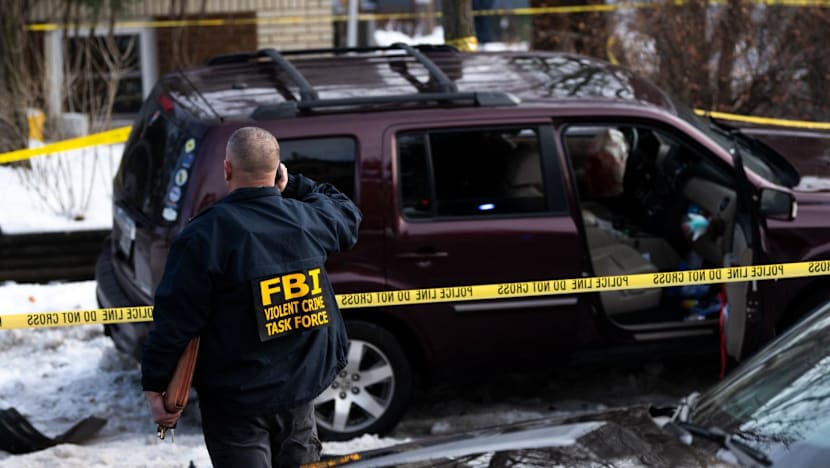
Minneapolis, Minnesota — Hundreds of protesters flooded the streets of Minneapolis following the fatal shooting of a 37-year-old woman by a U.S. Immigration and Customs Enforcement (ICE) agent during a traffic stop on January 7, 2026. The incident has sparked immediate demonstrations, drawn sharp rebukes from local leaders, and prompted Minnesota Governor Tim Walz to place the National Guard on standby, amid broader concerns over escalating political violence in the United States early in 2026.
The shooting occurred late Wednesday evening during what federal authorities described as an ICE operation. According to reports, the woman was killed while in her vehicle. Minneapolis Mayor Jacob Frey disputed the federal government's claim of self-defense, fueling accusations of excessive force tied to aggressive immigration enforcement policies. Protesters gathered swiftly, condemning the incident as emblematic of broader tensions over federal immigration actions.
Federal officials have portrayed the event differently. Sources indicated the woman was a protester who allegedly attempted to run over ICE agents with her vehicle, prompting the agent to open fire in response. This account has mobilized activist groups nationwide, with familiar far-left organizations activating rapidly to organize further demonstrations. The rapid response from these groups underscores the polarized atmosphere surrounding ICE operations.
Governor Tim Walz addressed the situation directly, stating that the Minnesota National Guard stands ready for deployment if protests escalate. "We've never been at war with the federal government," Walz emphasized, signaling an intent to maintain order without direct confrontation with federal authorities. His comments reflect the delicate balance state officials are navigating as local unrest intersects with national immigration priorities.
Broader Context of Rising Tensions
The Minneapolis shooting comes amid warnings of heightened political violence across the U.S. as 2026 unfolds. A former FBI agent recently highlighted an escalation in such incidents, pointing to a series of events including an alleged assassination attempt and attacks on ICE personnel. These developments have raised alarms about the volatile political climate, particularly as immigration enforcement ramps up under the Trump administration's renewed focus on deportations.
ICE, part of the Department of Homeland Security, has intensified operations targeting undocumented immigrants and those involved in protests against federal policies. The agency has faced increased scrutiny and physical confrontations in recent months, contributing to a pattern of civil unrest. In Minneapolis, a city with a history of high-profile protests — including the 2020 unrest following the death of George Floyd — the shooting has reignited debates over federal-state relations and law enforcement tactics.
Local leaders have linked the incident to federal immigration strategies, with the mayor's office questioning the necessity and proportionality of the agent's actions. Protesters have chanted against ICE policies, viewing the shooting as part of a larger crackdown. Meanwhile, supporters of federal enforcement argue that agents face genuine threats, citing the alleged vehicle ramming attempt as justification for the use of lethal force.
Official Responses and Mobilization
As of January 8, 2026, protests remained peaceful but sizable, with organizers vowing to continue until a full investigation is conducted. The U.S. Department of Homeland Security has not released body camera footage or detailed statements beyond initial self-defense claims. Minnesota state officials are coordinating with federal investigators, while Walz's National Guard preparation serves as a precautionary measure to prevent widespread disorder.
Nationwide, activist networks described as far-left have issued calls for solidarity actions, drawing parallels to past mobilizations against police and immigration actions. This immediate coordination highlights the interconnected nature of protest movements in the digital age.
Historical Background on ICE and Unrest
ICE operations have long been flashpoints for civil unrest, particularly in sanctuary cities like Minneapolis, which limit cooperation with federal immigration authorities. Under previous administrations, similar traffic stops and arrests sparked lawsuits and demonstrations. The return of stringent policies in 2025 has amplified these conflicts, with reports of attacks on ICE facilities contributing to the former FBI agent's assessment of escalating violence.
In 2020, Minneapolis witnessed some of the largest protests in U.S. history after George Floyd's killing, leading to National Guard deployment and significant property damage. Officials are drawing on those experiences to manage the current situation proactively.
Outlook
Investigations into the shooting are underway, with expectations for an independent review by the Department of Justice. Tensions remain high, as protests could spread if new details emerge. Governor Walz's measured approach aims to de-escalate, but the interplay of immigration policy, local autonomy, and activist mobilization suggests prolonged scrutiny. Amid warnings of broader political violence, the incident underscores deepening national divisions entering 2026.
(Word count: 712)