
Protests Erupt in Iran Amidst Widespread Unrest and International Tensions
Protests have erupted across Iran, intensifying dramatically as demonstrators clash with security forces in multiple cities, including Tehran. The unrest, which began on January 1, 2026, has seen crowds vocally opposing the leadership of Supreme Leader Ali Khamenei, fueled by economic hardships and political discontent.
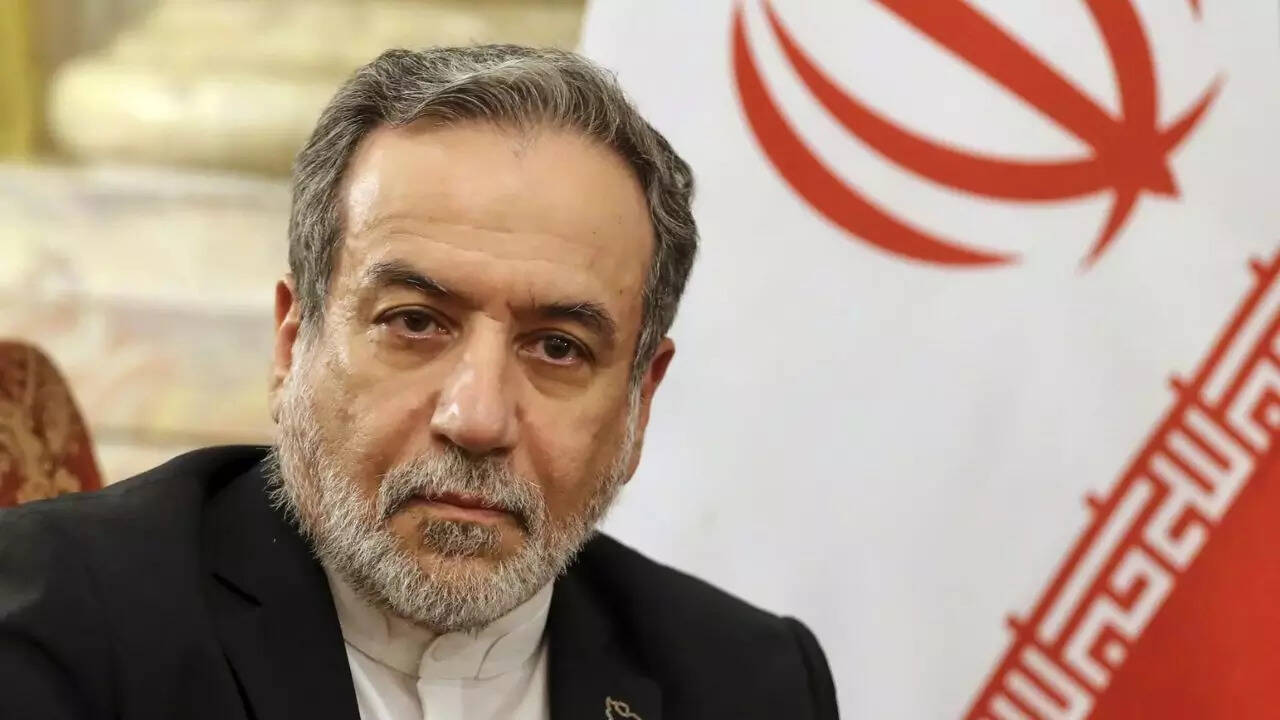
The Iranian Foreign Ministry has issued a remarkable statement of support for these protests, a notable stance that contrasts with the government's typical suppression of dissent. This move indicates a potential fracture within the Iranian leadership regarding how to address the escalating unrest. The protests are reportedly sparked by a combination of economic woes and calls for political reform, with demonstrators openly challenging the authority of Khamenei and the ruling establishment.
Clashes and Government Response
Videos and reports from the ground depict violent clashes between protesters and security forces. Eyewitness accounts suggest that live ammunition has been used against demonstrators, raising fears of a brutal crackdown by the authorities. As the protests spread, the Iranian armed forces have been placed on standby, vowing to reject any external involvement, particularly in light of escalating tensions with the United States.
U.S. President Donald Trump has issued warnings to Iran regarding its handling of the protests, describing any violent crackdown as unacceptable. In response, Iranian officials criticized Trump's remarks as reckless interference in Iran's internal affairs. Foreign Minister Masoud Pezeshkian described the protests as primarily peaceful, attributing violence to isolated incidents, and emphasized that the government is addressing these disturbances.
International Reactions
The ongoing unrest has not only drawn international scrutiny but has also deepened divisions within the Iranian diaspora, particularly in countries like France. Members of the Iranian community are grappling with differing perspectives on the protests, influenced by their consumption of news through various media channels. This division reflects broader sentiments regarding the situation in Iran and the challenges of navigating complex narratives surrounding the protests.
As the protests continue, the Iranian government faces significant pressure both domestically and internationally. Analysts suggest that Khamenei's reliance on traditional methods of suppression may not quell the growing discontent. Instead, this period of unrest may be reflective of deeper societal fractures and a longing for change among the Iranian populace.
Background Context
The recent protests occur against a backdrop of significant political and economic challenges in Iran. Since the election of President Masoud Pezeshkian in July 2024, the country has grappled with a range of issues, including inflation, unemployment, and widespread dissatisfaction with the ruling regime. The ongoing economic crisis has exacerbated public frustration, leading to calls for reform and accountability from the government.
The current wave of protests is reminiscent of prior movements in Iran, where citizens have taken to the streets to voice their grievances against the government. However, this time, a notable shift is observed with the Foreign Ministry's support for the protests, indicating potential rifts within the leadership regarding the approach to dissent.
Conclusion
As the situation in Iran evolves, the international community watches closely. The protests not only symbolize a growing demand for change within the country but also represent a critical juncture for the Iranian leadership. Whether the government can effectively respond to the unrest without resorting to violence will significantly impact the future trajectory of Iran's political landscape and its relationship with the global community.






