
Political Clashes Erupt in Indore Over Contaminated Water Deaths
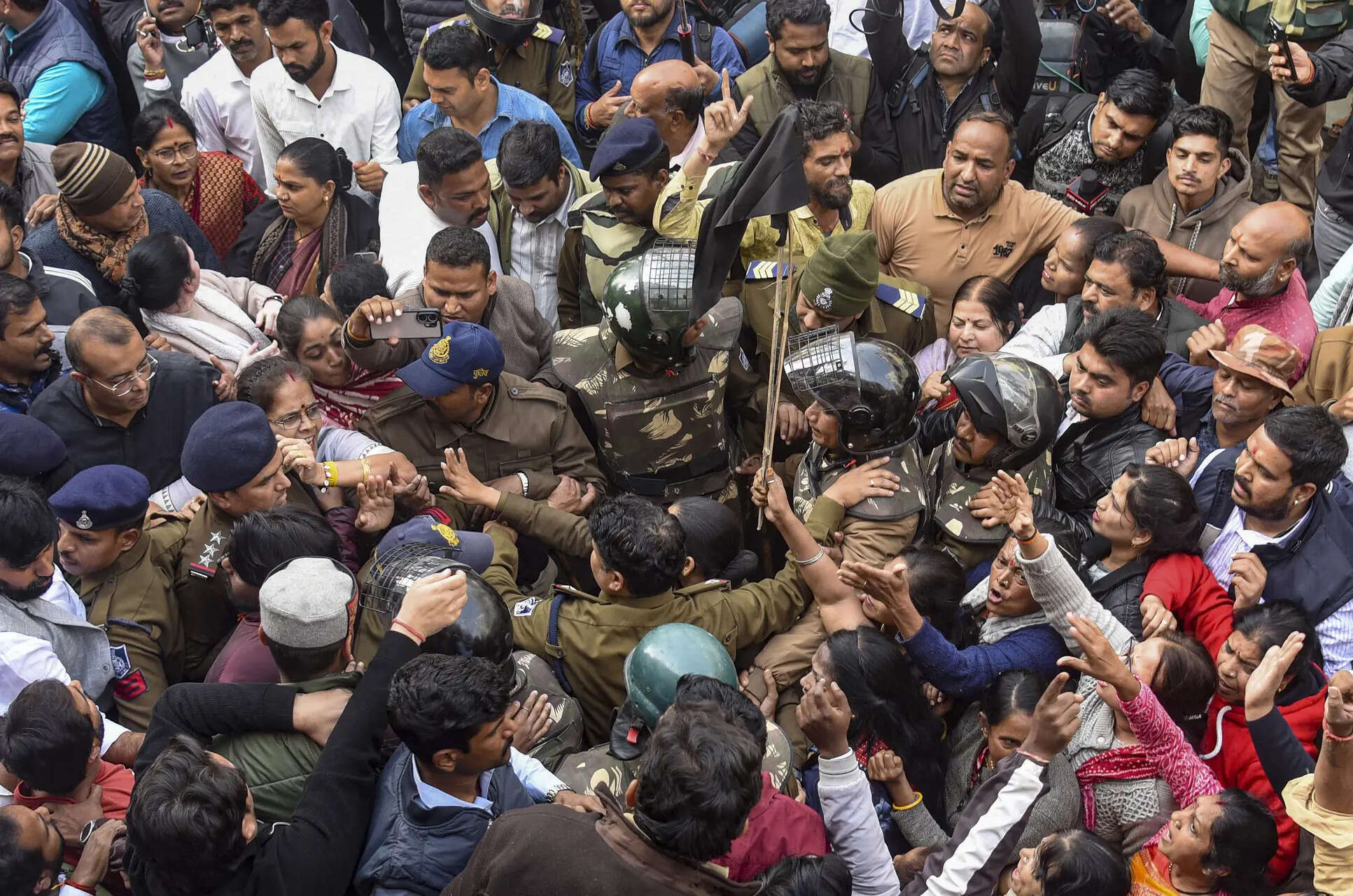
Political unrest surged in Indore on January 3, 2026, as workers from the Bharatiya Janata Party (BJP) and the Indian National Congress clashed over a series of deaths linked to contaminated water. The violence prompted police intervention, leading to the detention of several Congress leaders who attempted to visit affected families in the Bhagirathpura area.
The confrontation unfolded against the backdrop of rising public anger over a growing death toll attributed to diarrhoea, which health officials have linked to unsafe drinking water in the region. Reports indicate that the local government has struggled to address the escalating health crisis, which has left many residents fearful for their safety and wellbeing.
According to eyewitness accounts, the situation escalated quickly as rival party supporters confronted each other. The BJP supporters accused the Congress of politicizing the tragedy, while Congress leaders argued that the government’s negligence had led to the deaths. Tensions boiled over, resulting in skirmishes that required police to step in and restore order.
Local authorities confirmed that several Congress leaders were detained during the clashes, though the exact number has not been released. The police stated that they acted to prevent further violence and to ensure the safety of all residents in the area.
"This is a tragic situation that should not be exploited for political gain," remarked a police spokesperson. "We are committed to maintaining peace and order in Indore."
The unrest in Indore is symptomatic of broader issues facing the Indian public, particularly regarding access to safe water and adequate health services. The BJP, currently in power at both state and national levels, has faced criticism over its handling of public health crises. In response to the increasing number of diarrhoea cases, the state government has promised to investigate the source of contamination and implement measures to improve water quality.
Background details reveal that India has long struggled with issues related to water quality and public health. Contaminated water sources have been linked to recurrent outbreaks of waterborne diseases, contributing to thousands of deaths annually. Despite various government initiatives aimed at improving infrastructure, many regions continue to experience similar crises.
As the political landscape becomes increasingly polarized, the implications of the Indore clashes may extend beyond immediate local concerns. Observers suggest that the incident could influence upcoming elections, with both parties seeking to leverage public sentiment to their advantage.
The situation in Indore remains fluid, with local authorities urging calm and promising a thorough investigation into the water contamination issue. Meanwhile, the Congress party has called for a more comprehensive response from the government, demanding accountability and action to prevent future tragedies.
As the public health crisis unfolds, it remains to be seen how the state and central governments will address the growing concerns of their constituents and restore confidence in their ability to provide essential services.