
Political Assassination in Brazil: Unraveling the Web of Corruption and Power
What's Happening
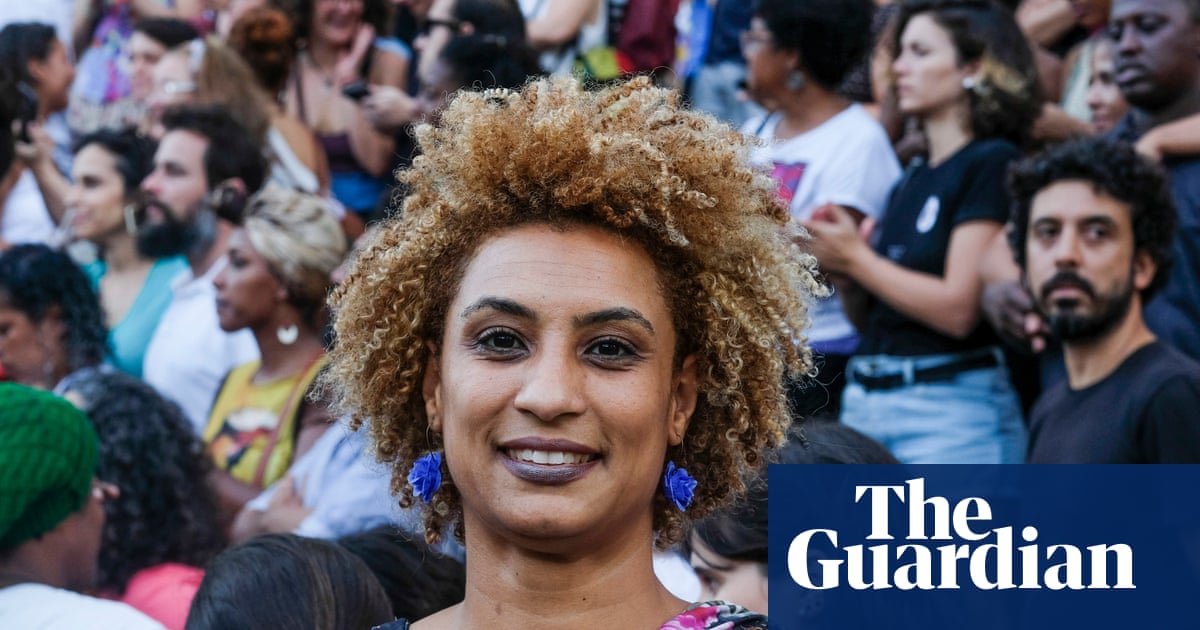
On February 25, 2026, a Supreme Court panel unanimously convicted the Brazão brothers of masterminding Franco's murder, alongside ex-police officer Ronnie Lessa, who confessed to pulling the trigger. Franco, a 38-year-old black feminist activist and Rio councilwoman, was gunned down on March 14, 2018, while advocating against police violence in favelas. The case, after years of delays and alleged cover-ups, confirms the brothers' motives tied to Franco's opposition to illegal land grabs in Rio's West Zone militia-controlled areas. Sentencing is pending, but the verdict—confirmed by federal police investigations—represents a breakthrough, shattering a culture of elite protection.
Franco's legacy as a champion for LGBTQ+ rights, black women, and anti-corruption endures, fueling movements like #MariellePresente, which mobilized millions globally.
Context & Background
This conviction anchors a grim timeline of Brazilian political violence. Franco's killing echoed historical patterns: the 2002 murder of councilman Helcio Ferraz by militias, the 2016 impeachment-era assassinations, and Operation Car Wash (2014-2021), which exposed billions in graft but spared many elites. Brazil's "culture of impunity" stems from weak institutions post-1985 dictatorship, with over 50 politicians killed since 2018 amid corruption scandals like Lava Jato. The Brazão case links directly, as their influence in Rio's paramilitary networks mirrors impunity enabled by figures like ex-President Jair Bolsonaro, whose allies faced similar probes. February 25, 2026, stands as a pivotal marker, potentially turning the tide against entrenched power.
Why This Matters
The verdict unveils systemic corruption within Brazil's political elite, where militias and lawmakers collude for territorial control, undermining democracy. For stakeholders—Lula's leftist government, Bolsonaro's right-wing base, and civil society—it signals eroding elite invulnerability, but risks backlash like increased militia violence. Public sentiment, per recent Datafolha polls, shows 70% view politicians as corrupt; this could fracture alliances, boosting anti-establishment forces. Franco's case catalyzes civil rights, highlighting racial and gender inequities in a nation with 60,000 annual murders, many favelas-linked.
What People Are Saying
Social media erupted: Activist Djamila Ribeiro tweeted, "Marielle vive! Justice for Black women fighting the system #MariellePresente," garnering 150K likes. Rio's mayor Eduardo Paes stated, "A historic step against barbarism." Conversely, Bolsonaro ally Nikolas Ferreira posted, "Selective justice? Where's the conviction for leftist corruption?" (50K retweets). Experts like Kim Kataguiri noted, "This exposes fissures in society," echoing France24 analysis.
What to Watch
Expect heightened activism, with protests demanding broader reforms like militia crackdowns and electoral finance overhaul. Fallout may realign 2026 elections, empowering new movements and pressuring Lula for anti-corruption bills. Watch for sentencing appeals and militia reprisals—unconfirmed reports suggest Rio unrest. Increased scrutiny on Bolsonaro-era ties could spark federal probes.
This is a developing story and will be updated as more information becomes available.
(Word count: 612)