
Philippines Raises Alert Level as Mayon Volcano Shows Signs of Increased Activity
The Philippine Institute of Volcanology and Seismology (PHIVOLCS) has raised the alert level for Mayon Volcano to 2, reflecting medium-level activity amid signs of unrest. This decision, made on January 1, 2026, comes as the volcano continues to exhibit signs of escalating activity, prompting concerns from local authorities and residents alike.
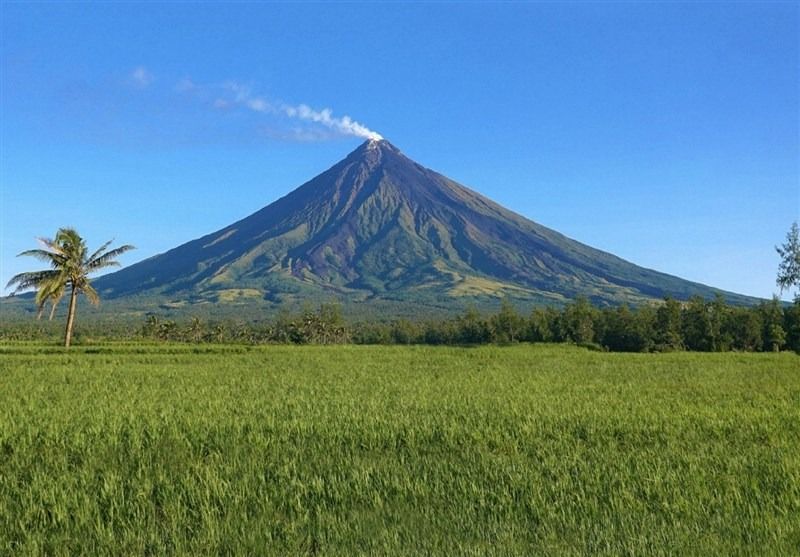
The Mayon Volcano, renowned for its near-perfect cone shape, has been closely monitored by PHIVOLCS since it began showing heightened activity. The agency reported that there has been an increase in volcanic earthquakes and gas emissions, indicating that magma is moving closer to the surface. This level of unrest, categorized as a “medium” threat, necessitates vigilance and preparedness among the local population.
Volcanic Activity and Community Response
PHIVOLCS has advised residents living within the 6-kilometer radius of the volcano to evacuate and adhere to safety protocols established in the event of a potential eruption. Local government units are mobilizing to ensure that evacuation plans are in place and that residents have access to emergency services. Community leaders are conducting information campaigns to raise awareness about the risks associated with volcanic activity and the necessary precautions to take.
"While the current activity level is concerning, we are monitoring the situation closely and will provide timely updates to the public," said a PHIVOLCS spokesperson. The agency is utilizing a range of monitoring tools, including seismic sensors and gas analyzers, to track any changes in the volcano’s behavior.
Historical Context of Mayon Volcano
Mayon Volcano is one of the Philippines’ most active and dangerous volcanoes, with a history of explosive eruptions dating back to the 16th century. The most recent significant eruption occurred in 2018, which led to the evacuation of thousands of residents and caused substantial damage in nearby communities. The volcano's activity often correlates with increased seismic events, making it a focal point for both scientific research and local disaster preparedness initiatives.
The Philippines sits on the Pacific Ring of Fire, a region known for its high volcanic and seismic activity. This geographical positioning places the nation at constant risk of natural disasters, including earthquakes and volcanic eruptions. Local authorities emphasize the importance of preparedness and community resilience in the face of such natural threats.
Conclusion
As Mayon Volcano continues to show signs of increased unrest, local authorities and residents are urged to remain vigilant and prepared for potential evacuation. PHIVOLCS is committed to monitoring the situation closely and providing updates as necessary. The safety of the communities surrounding Mayon remains a top priority, underscoring the importance of disaster preparedness in a region frequently affected by natural calamities.