
Paris Hosts Critical Ukraine 'Coalition of the Willing' Summit Amid Heightened Geopolitical Tensions
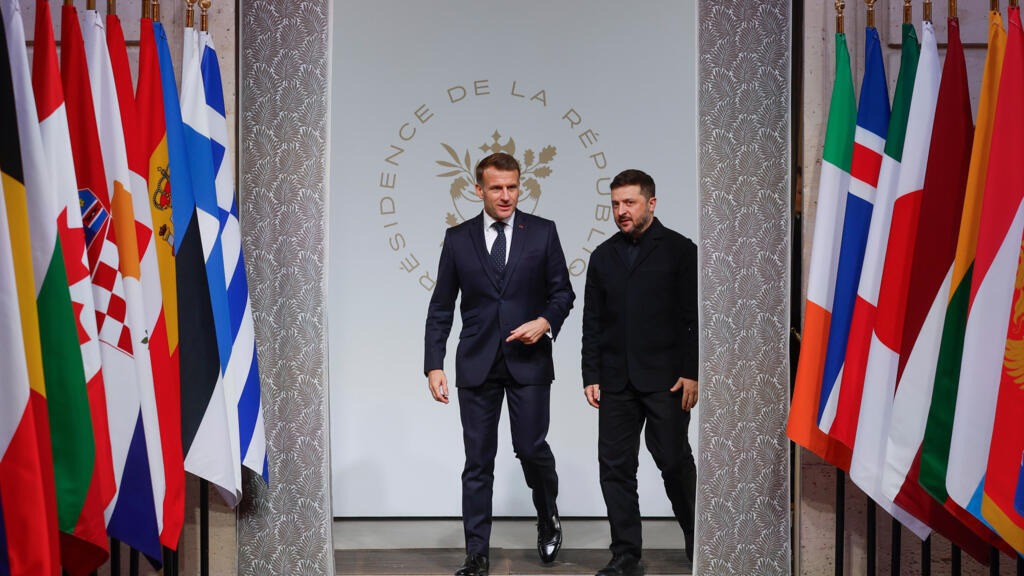
Paris, France – Leaders from Ukraine's key European allies and top U.S. envoys gathered in Paris on January 6, 2026, for a high-stakes "Coalition of the Willing" summit, focusing on bolstering Ukraine's security in the event of a potential peace deal with Russia. The talks, which concluded with reports of "significant progress" on security pledges, underscore Paris's growing role as a diplomatic hub amid ongoing global conflicts.
The summit brought together representatives from Ukraine's staunch supporters, including European nations and senior U.S. officials, to address post-war security guarantees. According to France 24, the event featured live addresses from coalition leaders, emphasizing coordinated strategies to ensure Ukraine's long-term defense capabilities should negotiations with Moscow advance. The discussions come at a pivotal moment, as diplomatic efforts to end the nearly four-year Russia-Ukraine war intensify, with both sides signaling openness to compromises under international pressure.
Al Jazeera reported that the Paris talks yielded "significant progress" on security commitments, though specific details on the pledges remain under wraps pending formal announcements. These commitments are seen as essential to deterring future Russian aggression, building on previous multilateral frameworks like the NATO-Ukraine Council and bilateral security pacts signed by Western nations since 2022.
The "Coalition of the Willing" refers to an ad hoc alliance of Ukraine's most committed backers, primarily European Union members such as France, Germany, the United Kingdom, Poland, and the Baltic states, alongside the United States. Formed in response to Russia's full-scale invasion in February 2022, the group has coordinated military aid exceeding $100 billion, including advanced weaponry like Leopard tanks, F-16 jets, and long-range missiles. The Paris summit builds on earlier gatherings, such as the 2024 NATO Washington Summit, where allies pledged sustained support.
France, as host, played a central role. President Emmanuel Macron has positioned Paris as a neutral yet proactive venue for diplomacy, leveraging its historical ties to both Eastern and Western powers. The Élysée Palace and surrounding conference facilities have hosted similar events, including the 2023 Ukraine Recovery Conference. French Foreign Minister Stéphane Séjourné opened the proceedings, stressing the need for "ironclad guarantees" to prevent a repeat of 2014's annexation of Crimea.
Key figures addressing the summit included U.S. envoy Keith Kellogg, a former national security advisor with deep Russia expertise, and European leaders like Polish Prime Minister Donald Tusk and UK Foreign Secretary David Lammy. Their speeches, broadcast live by France 24, highlighted unified resolve: "A peace deal without security is no peace at all," Kellogg reportedly stated, echoing sentiments from Ukrainian President Volodymyr Zelenskyy, who joined virtually.
Background: Ukraine's War and the Quest for Peace
Russia's invasion of Ukraine, launched on February 24, 2022, has reshaped European security architecture, resulting in over 500,000 casualties, widespread destruction, and a global energy crisis. Initial Western responses focused on sanctions and arms supplies, but as battlefield stalemates emerged in 2024, attention shifted to diplomatic off-ramps. Turkey-mediated Black Sea grain deals and Swiss-hosted peace summits laid groundwork, though Moscow's demands for territorial concessions remain contentious.
The Paris summit occurs against a backdrop of U.S. political transitions and European fatigue. With the incoming Trump administration signaling reduced aid commitments, European allies are stepping up. France and the UK have proposed "reassurance forces" – multinational troop deployments along Ukraine's borders post-ceasefire – drawing parallels to Cold War-era deterrence.
Outlook: Implications for Global Stability
While specifics of the security pledges are pending, the progress signals momentum toward a framework that could include extended NATO partnerships, joint military exercises, and economic reconstruction aid tied to defense reforms. Analysts note that any deal will require buy-in from hesitant players like Hungary and Turkey.
Paris's selection as venue also highlights France's diplomatic agility. Concurrently, the city has seen other geopolitical engagements, such as reports of a Syrian delegation meeting Israeli officials on January 5, amid concerns over sovereignty issues in the Middle East. Though unconfirmed in detail, such gatherings reinforce Paris's status as a crossroads for dialogue.
As coalition leaders disperse, eyes turn to upcoming forums like the Munich Security Conference in February 2026. The Paris outcomes could prove decisive in tipping the scales toward sustainable peace, or exposing fractures if Russian intransigence persists.
(Word count: 612)