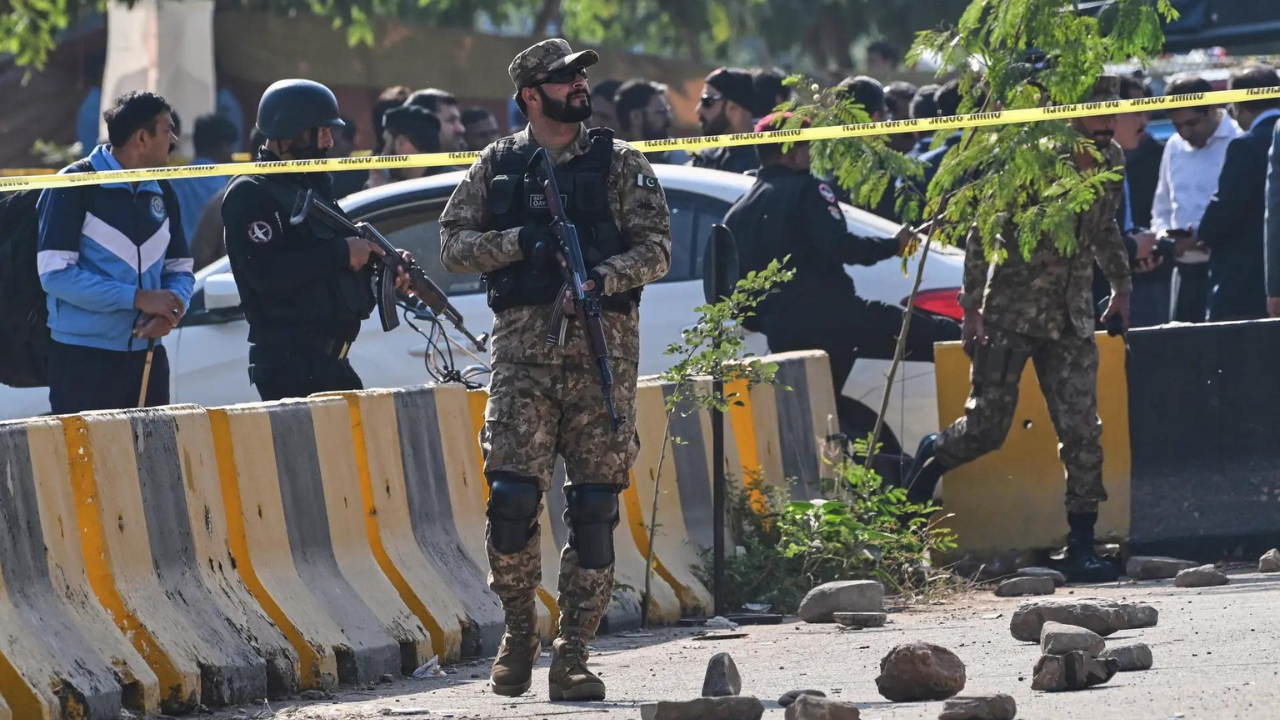

Pakistan Thwarts Potential Terror Attack in Karachi with Seizure of 2 Tons of Explosives
Karachi, Pakistan – Pakistani counterterrorism police conducted a major operation on January 5, 2026, seizing approximately 2 tons of explosives and arresting three suspects in Karachi, in what authorities described as a significant blow to potential terrorist activities. This development comes amid an official Pakistani acknowledgment of a dangerous nexus between political, criminal, and terrorist elements fueling rising violence across the country.
The operation unfolded in Karachi, Pakistan's bustling economic hub and a city long plagued by urban militancy. According to details from the counterterrorism effort, which began around 3:33 PM GMT on January 5, law enforcement recovered a substantial cache of explosives that could have been used for large-scale attacks. Three individuals were detained in connection with the haul, though specific affiliations or motives have not been publicly disclosed. This seizure underscores ongoing vulnerabilities in Pakistan's port city, where militant groups have historically exploited porous urban networks for logistics and recruitment.
The timing of the Karachi bust aligns closely with a stark admission from Pakistani officials regarding the interplay of political patronage, organized crime, and terrorism. A report highlighted in recent coverage notes that Islamabad has conceded the existence of this "political-criminal-terror nexus" operating on its soil, contributing to an uptick in violent incidents nationwide. Published on January 6, 2026, the analysis flags escalating threats, portraying them as an "own goal" for the state – a self-inflicted vulnerability stemming from internal complicities.
Escalating Security Challenges
Pakistan has grappled with terrorism for decades, with Karachi serving as a flashpoint due to its demographic diversity, economic significance, and history of ethnic and sectarian strife. The city has witnessed operations by groups like the Tehrik-i-Taliban Pakistan (TTP), Lashkar-e-Jhangvi, and Baloch separatists, often blending with local criminal syndicates involved in extortion, smuggling, and drug trafficking. Counterterrorism raids in urban centers like Karachi have intensified since the resurgence of TTP activities following the 2021 Afghan Taliban takeover, which emboldened cross-border militancy.
The reported nexus amplifies these risks. Political elements allegedly provide cover or funding to criminal networks, which in turn supply logistics to terrorist outfits. This triangle has been linked to a surge in bombings, assassinations, and ambushes, particularly in border regions like Khyber Pakhtunkhwa and Balochistan. The Times of India report emphasizes how such entanglements exacerbate violence, with official admissions signaling a potential shift toward more aggressive internal crackdowns.
In the Karachi case, the scale of the explosives – equivalent to several vehicle-borne improvised explosive devices (VBIEDs) – points to thwarted plans for high-impact strikes. Pakistani authorities have not released details on the suspects' identities or interrogation outcomes, but past operations in the city have uncovered links to transnational networks, including those with ties to Afghanistan and India-border regions. The medium-severity classification of the incident reflects its potential for widespread disruption, given Karachi's role as a logistics gateway.
Broader Context of Pakistan's Counterterrorism Efforts
Pakistan's fight against terrorism has evolved through military campaigns like Operation Zarb-e-Azb (2014-2016) and the National Action Plan, which targeted urban terror financing and madrassa radicalization. Despite dismantling much of al-Qaeda's core presence and weakening TTP's command structure, the group has reconstituted, claiming responsibility for over 800 attacks in 2024 alone, according to security trackers. Recent years have seen a 50% rise in fatalities from terrorism and counterterrorism operations, per the Pakistan Institute for Conflict and Security Studies.
The admission of a political-criminal-terror nexus marks a rare public reckoning. Historically, accusations of state complicity have strained relations with neighbors like India and Afghanistan, amid claims of safe havens for groups such as the Taliban and Lashkar-e-Taiba. Domestically, it pressures the military-led establishment under Prime Minister Shehbaz Sharif's coalition government, which faces elections and economic woes compounded by insecurity.
International partners, including the United States and China, continue to support Pakistan's efforts through intelligence sharing and capacity-building. The U.S. designated TTP a terrorist organization in 2010, while China's Belt and Road projects in Gwadar heighten stakes against Baloch insurgency.
Outlook Amid Heightened Vigilance
The Karachi seizure represents a proactive win for Pakistan's Counter Terrorism Department (CTD), potentially disrupting plots in a city of 20 million. However, the flagged nexus suggests deeper reforms are needed to sever symbiotic links between illicit actors. As violence metrics climb – with reports noting increased incidents in early 2026 – sustained operations, judicial follow-through, and political accountability will be critical.
Analysts anticipate intensified urban policing and border fortifications, but the interplay of domestic politics and militancy remains a wildcard. For now, the operation averts immediate peril, reinforcing Pakistan's resolve against an enduring threat.
(Word count: 712)






