
Pakistan Sentences Journalists to Life in Prison Over Pro-Khan Protests
In a significant ruling that has drawn international attention, a court in Pakistan has sentenced several journalists to life imprisonment in absentia for their alleged involvement in violent protests that erupted following the arrest of former Prime Minister Imran Khan in May 2023. This decision, announced on January 2, 2026, has raised concerns regarding press freedom and the treatment of dissent in the country.
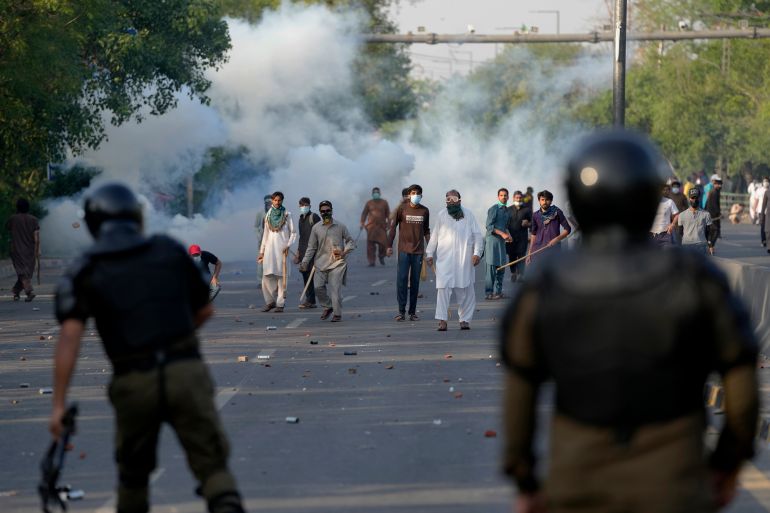
The journalists were accused of inciting violence during nationwide protests that erupted after Khan's arrest, which many supporters viewed as politically motivated. The protests led to clashes with security forces, resulting in several injuries and arrests. The court's ruling has been met with widespread condemnation from human rights organizations and press freedom advocates, who argue that the sentences represent an alarming crackdown on journalistic expression in Pakistan.
As per reports, the court's decision is part of a broader campaign by the current government to suppress dissent and control the narrative surrounding Khan's legal troubles. Khan, who was ousted from office in April 2022, has maintained a strong support base, and his arrest triggered one of the largest waves of protests the country has seen in recent years.
In the wake of this ruling, many journalists and media organizations have expressed fears for their safety and the future of journalism in Pakistan. “This verdict not only endangers the lives of those sentenced but also sends a chilling message to the entire media landscape in Pakistan,” stated a representative from a prominent media rights group.
The political climate in Pakistan has been increasingly tumultuous since Khan's ousting. The former leader's party, Pakistan Tehreek-e-Insaf (PTI), has faced severe crackdowns, with party members and supporters frequently facing arrests and harassment. As the government continues to assert control over dissent, the implications for democracy and civil liberties are becoming increasingly concerning.
Background
Imran Khan's arrest in May 2023 was part of a series of legal challenges that he has faced since his removal from power. His supporters have consistently claimed that the charges against him are unfounded and politically motivated. The unrest that followed his arrest resulted in widespread protests, which were met with heavy-handed responses from the law enforcement agencies.
Pakistan has a complex history of media censorship and government suppression of dissent. Journalists often face threats, intimidation, and violence, particularly when covering sensitive political issues. The recent sentences against the journalists involved in the pro-Khan protests mark a troubling escalation in the government’s attempts to silence critical voices.
Conclusion
The life sentences handed down to journalists over their involvement in the protests following Imran Khan's arrest highlight the precarious state of press freedom and civil liberties in Pakistan. As the country grapples with political instability and societal unrest, the international community is closely watching how these developments will impact the future of journalism and dissent in the region. The ruling not only raises questions about the safety of journalists but also signals a concerning trend towards increased authoritarianism in Pakistan.






