
Outbreak of Waterborne Illness in Indore Raises Alarm as Contamination Claims Lives
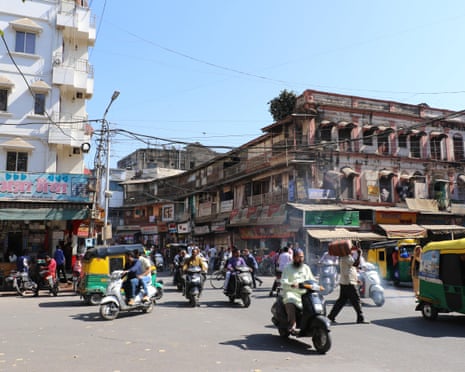
A severe outbreak of diarrhoea in Indore, India, has drawn urgent attention after contaminated water supply in the Bhagirathpura area has been linked to at least nine deaths and over 200 hospitalizations. The situation has raised significant public health concerns in a city often touted as one of the cleanest in India.
The outbreak began on January 1, 2026, when local authorities reported a surge in cases of diarrhoea. Investigations revealed that the source of the contamination was attributed to sewage being mixed with the drinking water supply, a grim discovery that has shocked residents and officials alike. As of the latest reports, the death toll has risen to ten, prompting calls for immediate action from health officials and city administrators.
"Our primary concern is the health and safety of the residents. We are working tirelessly to contain this outbreak and provide necessary medical care to those affected," said a local health official. The rapid influx of patients has strained the healthcare system in Indore, with hospitals struggling to accommodate the rising number of cases.
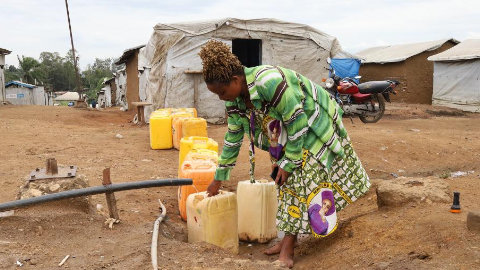
In response to the outbreak, the city administration has initiated emergency measures, including the distribution of clean drinking water and the establishment of medical camps to treat affected individuals. Local authorities are also conducting inspections of the water supply infrastructure to identify and rectify the sources of contamination.
Indore, which has been recognized for its cleanliness and sanitation efforts, is now facing scrutiny over its public health systems. The situation has also raised questions about the efficacy of existing water quality monitoring mechanisms in place. Residents have expressed outrage and concern about the safety of their drinking water, with many demanding accountability from local government officials.
"We trusted that our water was safe to drink," said a resident of Bhagirathpura. "Now we are afraid to even use it for cooking or washing. We need answers and we need them fast."
The outbreak in Indore is part of a broader context of public health challenges in India, where waterborne diseases are a persistent threat, especially in densely populated urban areas. The World Health Organization has previously highlighted the importance of access to clean water and sanitation as critical components in preventing disease outbreaks.
Authorities are urging residents to boil water before use and to seek immediate medical attention if they experience symptoms of diarrhoea. Local health departments are also working in coordination with state and national health agencies to manage the crisis and prevent further spread.
As the situation develops, public health officials are monitoring the outbreak closely and are emphasizing the need for improved infrastructure and preventative measures to safeguard against future incidents. The tragedy in Indore serves as a stark reminder of the ongoing challenges related to water quality and public health in India, highlighting the urgent need for systemic improvements to ensure access to safe drinking water for all citizens.
The community remains on high alert as they navigate the aftermath of this outbreak, hoping for a swift resolution and a return to the standards of health and safety they expect in their city.