Ongoing Violence in Sudan: South Sudanese Among Captured RSF Members
As the conflict in Sudan escalates into the new year, reports have emerged detailing the capture of South Sudanese fighters within the ranks of the Rapid Support Forces (RSF) amid ongoing violence and unrest in the region. The situation remains dire as the civil war, which has engulfed the nation since April 2023, continues to wreak havoc on the civilian population and exacerbate regional tensions.
Sources indicate that more than ten South Sudanese individuals were apprehended in North Kordofan State, a central region of Sudan, during recent clashes. This development highlights the complexities of the conflict, as the RSF, originally formed to combat insurgencies in Darfur, has been implicated in various human rights violations throughout the ongoing war. The involvement of foreign fighters raises questions about the wider implications of the conflict not only for Sudan but also for neighboring countries.
The situation in Sudan has reached a critical point, with hostilities intensifying between the RSF and the Sudanese Armed Forces (SAF). Fighting has spilled into urban areas, leading to significant displacement and a humanitarian crisis. Reports from the United Nations indicate that millions of people have been forced from their homes, with many seeking refuge in other countries, including South Sudan.
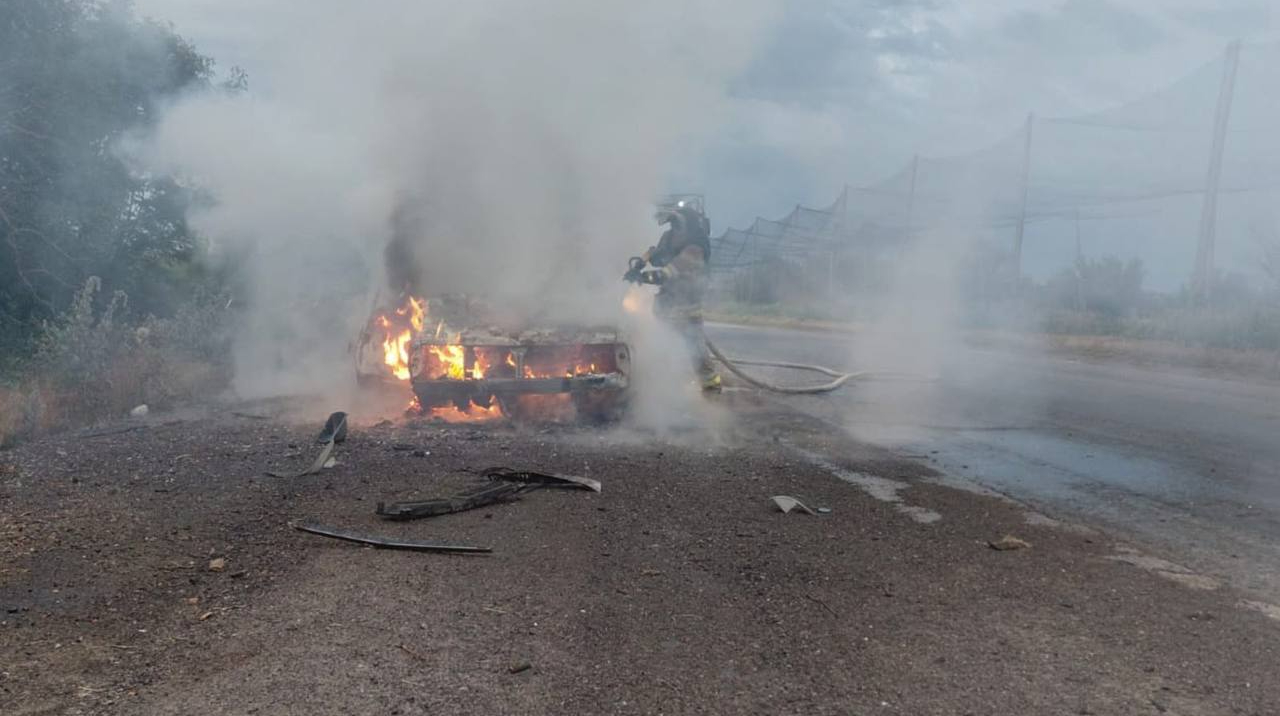
Eyewitness accounts from North Kordofan reveal the brutality of the conflict, with civilians caught in the crossfire and suffering from a lack of basic necessities such as food, water, and medical care. The international community has expressed concern over the escalating violence, and humanitarian organizations are struggling to deliver aid to those in need due to unsafe conditions and ongoing military operations.
The involvement of South Sudanese fighters in the RSF could further complicate the already unstable situation. South Sudan, which gained independence from Sudan in 2011, has its own history of conflict and instability. The presence of its citizens within the RSF raises alarms about potential cross-border ramifications and the risk of deepening regional instability.
Background on the Conflict
The civil war in Sudan erupted in April 2023, primarily between the SAF and the RSF, both of which were previously allied during the ousting of former President Omar al-Bashir in 2019. The power struggle between these factions has led to widespread violence and a humanitarian disaster. Despite various attempts at ceasefires and peace negotiations, hostilities have persisted, with both sides accusing each other of atrocities.
The RSF, led by General Mohamed Hamdan Dagalo, known as Hemedti, has been accused of committing war crimes and human rights abuses. Meanwhile, the SAF, under the command of General Abdel Fattah al-Burhan, has also faced scrutiny for its actions during the conflict. The ongoing power struggle has resulted in a fractured political landscape, complicating any potential resolution to the crisis.
Conclusion
As the conflict in Sudan continues to evolve, the recent capture of South Sudanese members within the RSF adds a new layer of complexity to the already volatile situation. The international community must remain vigilant and responsive to the crisis, advocating for humanitarian assistance and seeking pathways to peace. Without immediate intervention, the violence in Sudan threatens to spill over into neighboring regions, exacerbating an already precarious security environment in East Africa.