
Oil Price Plunge Boosts Emerging Markets Amid Middle East De-Escalation Hopes
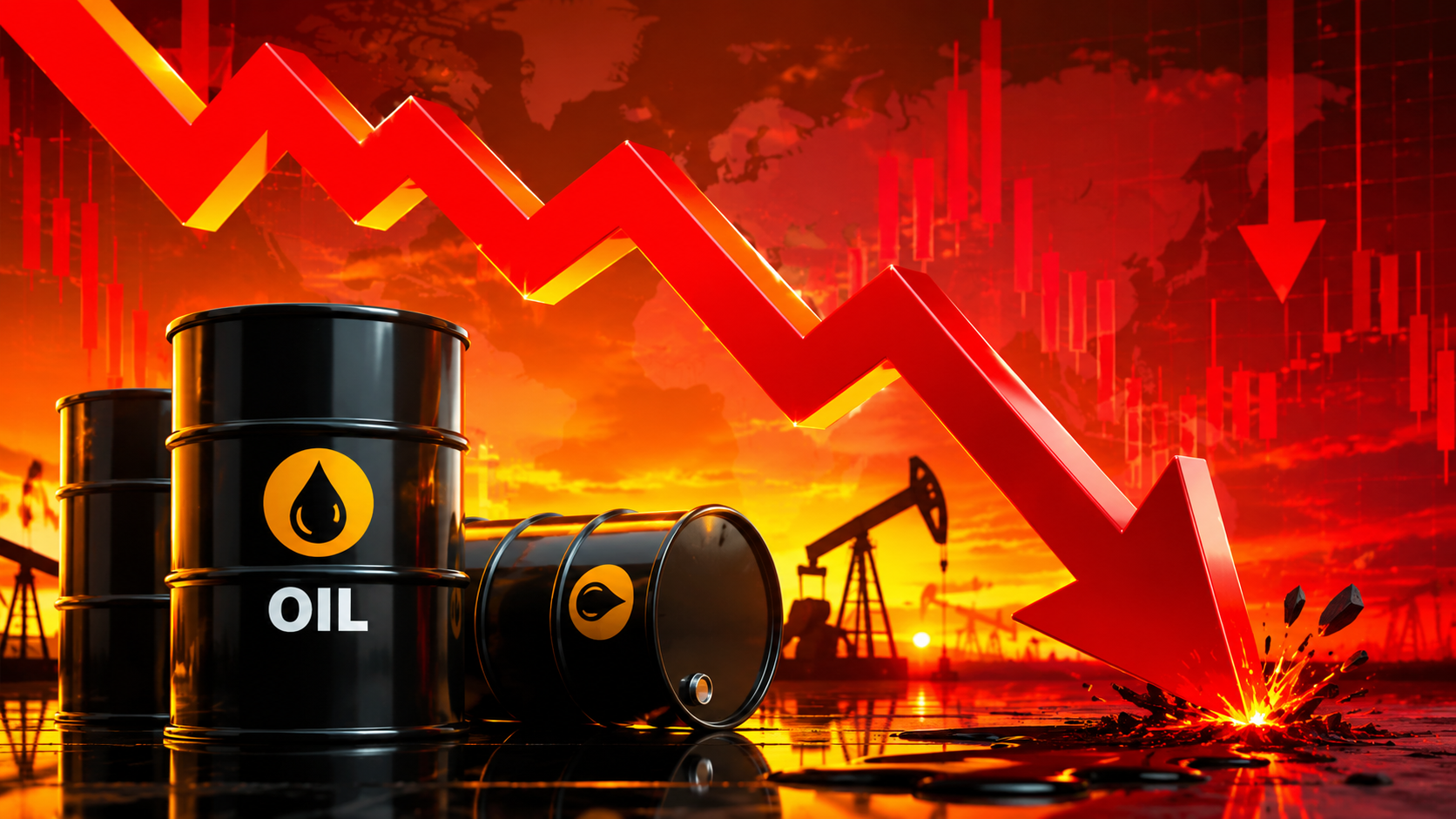
Oil prices dropped 13-15% on Wednesday, with Brent crude falling to around $65 per barrel, following former U.S. President Donald Trump's comments on potential Middle East peace talks. This decline provides relief to oil-importing emerging markets in Asia and Africa, stabilizing currencies, reducing inflation, and supporting agriculture-dependent economies that were previously strained by high oil costs.
What's Happening
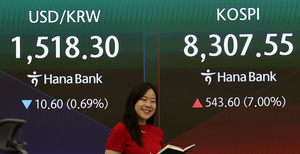
Brent crude and WTI futures plummeted 13-15% in intraday trading after Trump's remarks, marking the largest single-day drop since 2022. Brent settled 14% lower at $65.20. For emerging markets, this means lower import bills—India's oil costs could decrease by $10-15 billion annually. Currencies like the Indian rupee strengthened 0.8% to 83.45/USD, while Nigeria's naira gained 2%. In Asia, the Indonesian rupiah and South African rand rallied 1-1.5%, indicating broader economic stabilization.
Why This Matters
This oil plunge benefits emerging markets by cutting costs for fertilizers and diesel, vital for sectors like India's rural economy, which relies on agriculture for 60% of its output. Historically, a 10% oil drop boosts EM GDP by 0.3-0.5% through reduced inflation. However, oil exporters like Nigeria and Angola face fiscal deficits of 5-10%, highlighting the need for diversification into agrotech to sustain growth.
Looking Ahead
If de-escalation continues, emerging markets could see 5-10% growth over the next 12 months, with inflation dropping 2-3% and attracting over $50 billion in FDI to agriculture. Risks include oil prices spiking to $80+ if talks fail, threatening food security in Africa and Asia. Monitor currency stability, OPEC actions, and policies like India's biofuel initiatives for long-term resilience. This is a developing story and will be updated.