
North Korea Launches Ballistic Missile as Tensions Escalate
North Korea has launched a ballistic missile, prompting immediate international concern and a swift response from South Korea's National Security Council (NSC), which convened an emergency meeting to address the situation. The missile launch, executed on January 4, 2026, comes amidst North Korean leader Kim Jong-un's call to expand and modernize the country's missile production capabilities, raising alarms about the potential implications for regional security.
The missile was launched at approximately 00:30 UTC, with South Korea's military confirming the event shortly thereafter. This development marks a significant escalation in North Korea's ongoing military activities and comes at a time when tensions in the region remain high due to North Korea's previous missile tests and ongoing geopolitical strife.
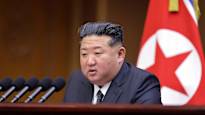
Kim Jong-un emphasized the need for modernization during a recent meeting, stating, "Our missile production must be expanded and upgraded to meet the current threats." This declaration underscores a strategic pivot towards enhancing military readiness, which is likely to exacerbate the already tense relations with neighboring countries, particularly South Korea and Japan.
In response to the missile launch, the NSC of South Korea convened an emergency session to assess the situation and formulate a strategic response. The council's meeting highlights the urgency with which South Korean leadership is treating the threat posed by North Korea's advancing military capabilities. A representative from the NSC stated, "We are closely monitoring the situation and will take all necessary measures to ensure the safety and security of our nation."
Context and Implications
The missile launch is part of a broader pattern of military provocations by North Korea, which has engaged in multiple missile tests in the past few years. These tests have often been interpreted as demonstrations of strength aimed at both domestic and international audiences. Analysts suggest that Kim Jong-un's recent focus on expanding missile production may be a calculated move to consolidate power internally while sending a clear message to the United States and its allies regarding North Korea's military ambitions.
This incident also plays into the larger context of North Korean relations with the United States and the ongoing tensions in the Korean Peninsula. The Biden administration has emphasized a diplomatic approach to North Korea, but the recent missile launch poses challenges to these efforts, potentially leading to a reevaluation of engagement strategies.
Conclusion
As North Korea continues to assert its military capabilities through ballistic missile launches, the international community remains on high alert. The developments of January 4, 2026, serve as a stark reminder of the volatile geopolitical landscape in Northeast Asia. The situation is expected to evolve in the coming days, with further responses from both regional players and global powers likely as they assess the implications of North Korea's latest military actions.