
Nipah Virus Outbreak: A Looming Threat or an Isolated Incident?
What's Happening
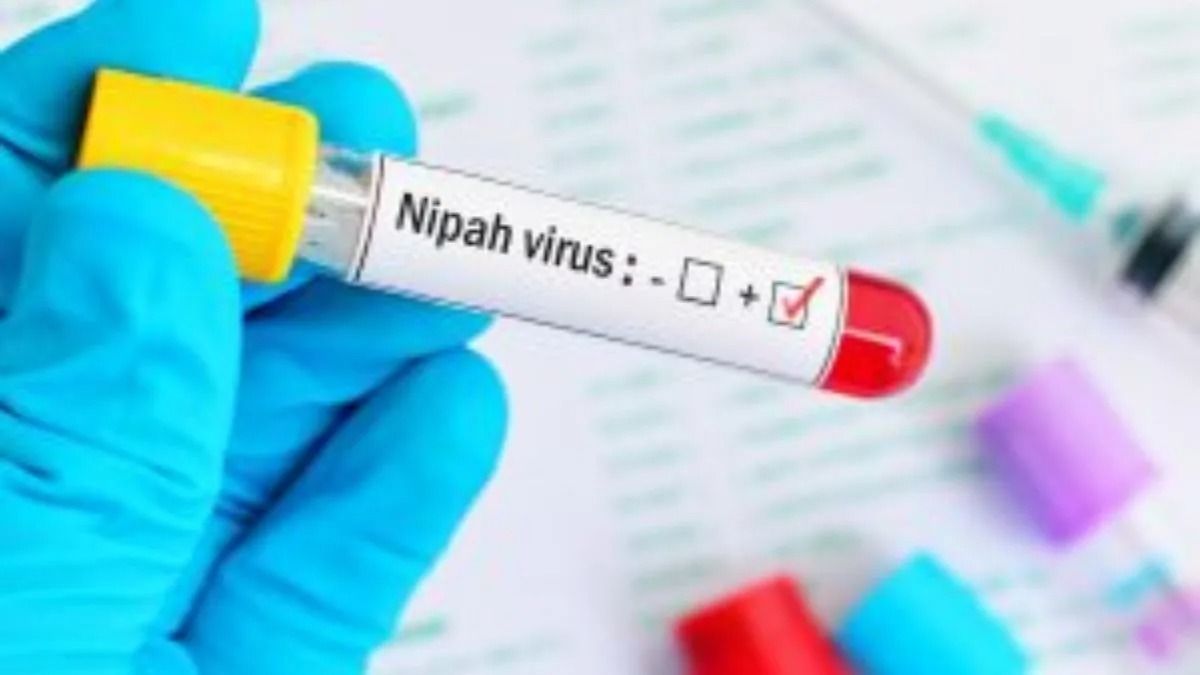
Confirmed cases of Nipah virus, a highly lethal pathogen with up to 75% fatality rates, have surfaced in Kerala, India, with the CDC issuing alerts on January 28, 2026. Indian health authorities have responded swiftly, isolating patients, tracing contacts, and imposing quarantines. Local reports confirm at least two deaths, with symptoms including fever, encephalitis, and respiratory failure. No widespread community transmission is confirmed yet, but the virus's zoonotic origins—linked to fruit bats—heighten containment challenges. Neighboring Malaysia has tightened borders, while Vietnam notes low risk despite past bat detections.
Context & Background
Nipah outbreaks have historically ravaged South and Southeast Asia since its 1998 debut in Malaysia, killing over 100 pig farmers and prompting massive culls that reshaped agriculture. Recent timeline events underscore vulnerabilities: On January 27, Nipah strains appeared in Thai bats; Haiti's 2025 humanitarian crisis (Sep-Dec) exposed aid access gaps; and Malaysia's January 28 dengue decline in hotspots highlights vector control successes now threatened by Nipah fears. These connect to broader crises, like Vietnam's arsenic-tainted dental products scandal, straining trust in health systems.
Why This Matters
Beyond medical fronts, Nipah threatens India's rural economies, where bat proximity fuels date palm sap consumption—a cultural staple. Travel curbs, like Malaysia's, could slash regional trade, echoing China's recent Irish beef suspension amid supply fears. Healthcare prioritization may shift: Initiatives like Ghana's Telecel Foundation screening 10,000 women for cervical cancer risk diversion of resources to Nipah surveillance, widening gaps in non-communicable diseases. Socially, fear could exacerbate stigma in Kerala's dense communities, impacting livelihoods and mental health in a nation recovering from COVID-19.
What People Are Saying
Social media buzzes with concern: Epidemiologist @DrAmitPatel tweeted, "Nipah in Kerala again—time for bat-proofing palm sap? Lessons from 2018 ignored?" (12K likes). Malaysian user @KLTrader posted, "Borders tight, exports tanking—Nipah hitting tourism hard #IndiaOutbreak" (8K retweets). Indian Health Minister's statement: "Full alert, no panic needed." Experts like CDC's Dr. Maria Khan warn of "economic ripple effects."
Looking Ahead
Expect India to bolster surveillance with AI-driven bat monitoring and rapid diagnostics, catalyzing WHO revisions to International Health Regulations. Globally, enhanced One Health approaches—integrating animal and human surveillance—may emerge, prioritizing infrastructure over reactive quarantines. Watch for vaccine trials acceleration; unconfirmed rumors of human cases in Thailand could trigger ASEAN collaborations.
This is a developing story and will be updated as more information becomes available.
(Word count: 607)