
Nigeria Issues Urgent Warnings to Civilians After US-Backed Airstrikes Target Islamist Militants
Abuja, Nigeria – Nigerian authorities have issued stark warnings to civilians living near sites of recent US-backed airstrikes against Islamist militants, urging residents to steer clear of unexploded ordnance amid heightened security operations in the country's volatile northeast.
The alerts come in the wake of airstrikes that began on December 31, 2025, targeting Islamist groups operating in Nigeria. Local communities have been advised to avoid handling debris from the strikes, as unexploded munitions pose severe risks to public safety. This development underscores the ongoing multinational efforts to combat insurgency in the region, where groups affiliated with Boko Haram and the Islamic State West Africa Province (ISWAP) have waged a protracted campaign of violence.
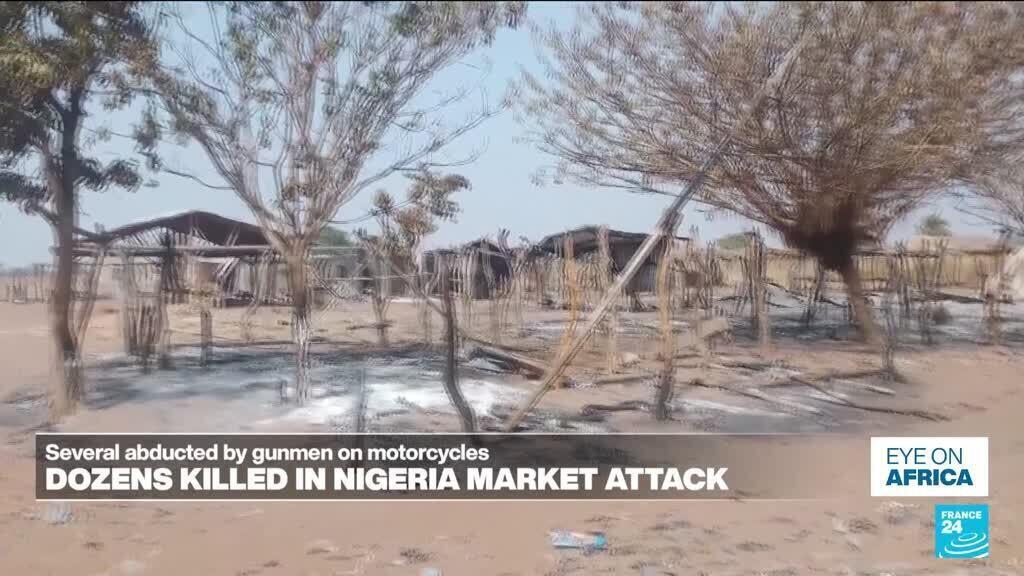
According to reports from France 24's Eye on Africa program aired on January 5, 2026, Nigeria's military and civil defense agencies emphasized the dangers of unexploded ordnance (UXO), remnants from the precision strikes conducted with US military support. "Communities near the sites of US military airstrikes are urged to watch out for unexploded ordnance," the broadcast highlighted, reflecting official communications disseminated through local media and community leaders.
The strikes mark a significant escalation in US involvement in Nigeria's counter-terrorism operations. While the United States has long provided intelligence, training, and logistical support to Nigerian forces under frameworks like the Trans-Sahara Counterterrorism Partnership, direct backing for airstrikes represents a tactical intensification. These operations are part of broader international efforts to degrade militant capabilities in the Lake Chad Basin, a hotspot for jihadist activity spanning Nigeria, Cameroon, Chad, and Niger.
Background on Nigeria's Insurgency and US Role
Nigeria's battle against Islamist extremism traces back to 2009, when Boko Haram launched its insurgency in Borno State, aiming to establish an Islamic caliphate. The group has since splintered, with ISWAP emerging as a more disciplined faction pledging allegiance to the Islamic State. The conflict has claimed over 35,000 lives, displaced millions, and triggered one of the world's largest humanitarian crises, according to United Nations estimates.
The northeast, particularly Borno, Yobe, and Adamawa states, remains the epicenter. Militants have exploited porous borders and vast terrain for attacks on civilians, military outposts, and aid convoys. Recent years have seen a shift toward targeted operations, with Nigerian forces reclaiming territory through initiatives like Operation Lafiya Dole.
US engagement has evolved from non-lethal aid to more robust support. Following the 2016 designation of Boko Haram as a foreign terrorist organization, Washington authorized drone surveillance and special operations advisory roles. Strikes backed by the US have previously targeted high-value militants in neighboring Somalia and the Sahel, setting a precedent for similar actions in Nigeria. The December 31 airstrikes, described as high-severity events, align with this pattern, focusing on disrupting command structures and logistics networks of Islamist fighters.
Nigerian President Bola Tinubu's administration has welcomed such partnerships, framing them as essential to national security. However, domestic critics have raised concerns over civilian casualties and sovereignty implications, echoing past incidents like the 2015 Zaria mosque strike that fueled public outrage.
Operational Details and Immediate Aftermath
Specific details on the targets remain classified, but the strikes are believed to have focused on militant strongholds in remote areas, minimizing collateral damage through precision-guided munitions. Post-strike assessments by Nigerian authorities prioritize UXO clearance, a standard protocol in aerial campaigns worldwide. Similar warnings were issued during coalition operations against ISIS in Iraq and Syria, where UXO caused thousands of casualties years after combat ended.
Local officials have mobilized demining teams and launched awareness campaigns via radio, SMS alerts, and community meetings. Residents are instructed to report suspicious items to hotlines operated by the Nigerian Army and the National Emergency Management Agency (NEMA). No confirmed civilian injuries from debris have been reported as of January 5, but the risk persists in agrarian communities reliant on farmland near strike zones.
Broader Implications and Regional Outlook
These airstrikes occur against a backdrop of renewed militant offensives. In late 2025, ISWAP claimed responsibility for ambushes killing dozens of soldiers, prompting calls for intensified aerial support. The US action could bolster Nigerian morale and disrupt planned attacks ahead of the rainy season, when mobility challenges favor insurgents.
Regionally, the Multinational Joint Task Force (MNJTF) – comprising troops from Lake Chad nations – coordinates with US Africa Command (AFRICOM). Success metrics include reduced attack frequency and improved humanitarian access, though challenges like funding shortfalls and climate impacts on food security loom large.
As clearance operations continue, Nigeria balances military gains with civilian protection. International partners, including the UN and EU, stress the need for post-conflict stabilization to prevent radicalization. For now, the focus remains on safety: avoiding debris today to secure peace tomorrow.
(Word count: 612)