Niger Braces for Severe Acute Malnutrition Crisis Threatening 1.6 Million Children
Niamey, Niger – A new Integrated Food Security Phase Classification (IPC) analysis has projected that approximately 1.6 million children aged 6 to 59 months in Niger will suffer from acute malnutrition between August 2025 and July 2026, signaling a high-severity crisis amid ongoing humanitarian challenges in the West African nation.
The report, published on January 8, 2026, and released via ReliefWeb, underscores the scale of the impending emergency. Conducted across 60 administrative units, the analysis encompasses two regions—Diffa and Zinder—along with 38 departments in the regions of Agadez, Dosso, Maradi, Tahoua, and Tillabéri. It also includes the cities of Agadez, Maradi, and Tahoua; the five communal arrondissements of Niamey; and 12 refugee sites. This comprehensive scope highlights the widespread vulnerability, particularly in areas affected by conflict, displacement, and environmental stressors.
Acute malnutrition, often measured through indicators like wasting (low weight-for-height) and nutritional edema, poses immediate life-threatening risks to young children, including increased susceptibility to infections, developmental impairments, and high mortality rates. The IPC framework, a globally recognized tool developed by the IPC Global Partnership, classifies acute malnutrition phases from "acceptable" to "extremely critical," with the current projection indicating a HIGH severity level across much of the analyzed zones.
Drivers of the Crisis
Niger's malnutrition challenges are deeply rooted in a confluence of factors exacerbated by its position in the Sahel region. Recurrent droughts, erratic rainfall patterns linked to climate change, and devastating floods have repeatedly undermined agricultural productivity. For instance, the 2024 lean season saw heightened food insecurity due to poor harvests, while ongoing insecurity from jihadist insurgencies in the tri-border area with Mali and Burkina Faso has displaced thousands, disrupting markets and farming activities.
The Tillabéri and Diffa regions, hotspots in the analysis, have been particularly hard-hit by violence from groups affiliated with Boko Haram and the Islamic State in the Greater Sahara (ISGS). This has led to restricted humanitarian access and inflated food prices. Economic pressures, including high global food costs following the Russia-Ukraine war and Niger's own political instability after the July 2023 military coup, have further strained household coping capacities. The coup resulted in ECOWAS sanctions, inflating import costs for essentials like cereals and therapeutic foods.
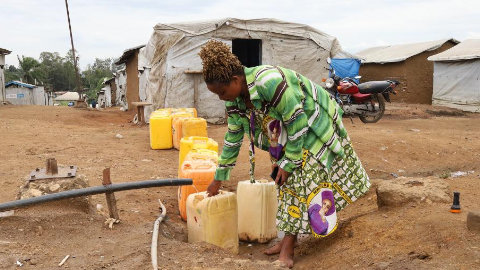
Refugee sites included in the analysis reflect Niger's role as a host to over 400,000 refugees and internally displaced persons (IDPs) as of late 2025, primarily from Mali and Nigeria. These populations face compounded risks, with limited access to diverse diets and sanitation, amplifying malnutrition rates.
Historical Context and Trends
Niger has long grappled with some of the world's highest malnutrition rates. According to UNICEF data, the country's stunting prevalence exceeds 40%, while acute malnutrition affects up to 15% of children under five in peak seasons. Prior IPC analyses, such as the 2023-2024 projection, flagged similar risks, with over 1.2 million children needing treatment that year. The latest forecast represents a sharp escalation, driven by leaner projections for the 2025 agricultural campaign.
The World Health Organization (WHO) classifies acute malnutrition as a public health emergency when global acute malnutrition (GAM) rates surpass 15% in under-fives. In Niger, SAM (severe acute malnutrition) cases often cluster in pastoralist and agropastoralist zones during the June-to-August hunger gap, when food stocks dwindle before new harvests.
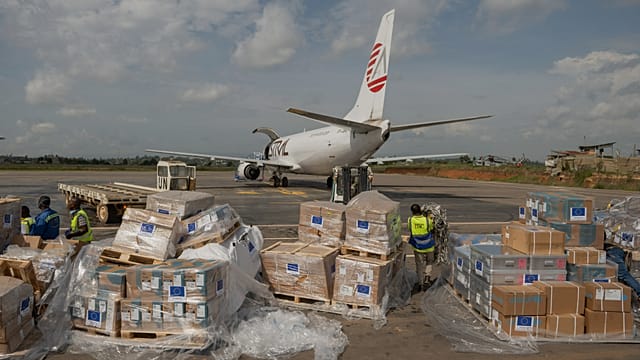
Humanitarian responses have historically relied on community-based management of acute malnutrition (CMAM) programs, providing ready-to-use therapeutic foods (RUTF) like Plumpy'Nut. Organizations such as the UN World Food Programme (WFP), UNICEF, and Action Against Hunger have scaled up interventions, treating hundreds of thousands annually. However, funding shortfalls— with appeals often met at only 40-50%—pose ongoing threats to coverage.
Implications and Response Efforts
The projected 1.6 million cases translate to an urgent need for preventive nutrition programs, including blanket supplementary feeding for at-risk children and cash transfers to vulnerable households. Early warning systems like the IPC aim to trigger scaled-up aid before peak lean season.
Niger's Ministry of Public Health, in collaboration with partners, has called for increased domestic resource mobilization and international support. As of January 2026, the humanitarian response plan seeks $500 million for food security and nutrition, though current pledges lag behind requirements.
In the broader Sahel context, neighboring countries like Burkina Faso and Mali report parallel crises, with over 5 million children projected to face acute malnutrition regionally in 2025-2026. This underscores the need for cross-border strategies addressing root causes like climate resilience and conflict stabilization.
Looking ahead, successful mitigation will hinge on favorable rains for the 2026 planting season, stabilized security, and bolstered funding. Without concerted action, the crisis risks pushing Niger's child mortality rates higher, perpetuating cycles of poverty and underdevelopment in one of the world's least-developed nations.
(Word count: 712)