
Nestlé Issues Precautionary Recall of BEBA and ALFAMINO Infant Formulas in Germany
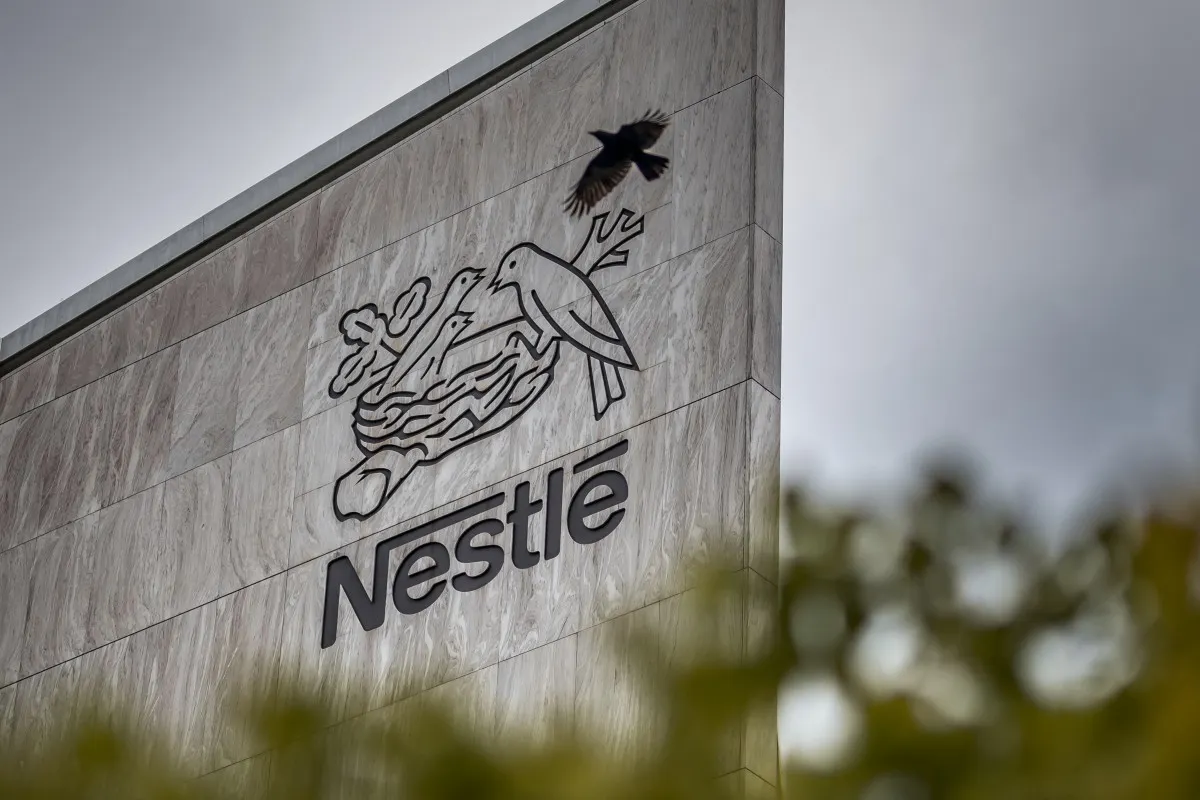
Berlin, Germany – Nestlé has initiated a voluntary recall of several batches of its popular BEBA and ALFAMINO infant formulas in Germany, acting out of caution to ensure consumer safety. The recall, announced on January 5, 2026, affects specific products widely used by parents for infant nutrition, prompting advisories for families to check their supplies.
The move comes as a preventive measure, with no immediate reports of adverse health effects linked to the affected batches. According to details emerging from the announcement, the recall targets select production runs of BEBA, a standard milk-based formula, and ALFAMINO, a specialized hypoallergenic option designed for infants with cow's milk protein allergies. German parents have been urged to verify batch numbers on their products and return any matching items to retailers or contact Nestlé directly for refunds or replacements.
This development underscores the stringent safety standards in the European Union's food sector, where infant formulas are subject to rigorous oversight. The European Food Safety Authority (EFSA) and Germany's Federal Institute for Risk Assessment (Bundesinstitut für Risikobewertung, or BfR) play key roles in monitoring such products. Precautionary recalls like this are common when potential quality issues—such as deviations in manufacturing processes—are identified during routine checks, even absent confirmed contamination.
Details of the Recall
Nestlé's action was detailed in communications to German retailers and consumers, emphasizing that the recall is limited to specific batches distributed within the country. While exact batch numbers have been listed on Nestlé's German website and through official channels, parents are advised to scan product packaging for identifiers typically printed on the bottom or side of tins and boxes.
The recall process aligns with established protocols under EU Regulation (EU) No 609/2013 on food intended for infants and young children, which mandates high purity standards for formula products. BEBA, one of Nestlé's flagship brands in Europe, is formulated to mimic breast milk with added nutrients like DHA for brain development, while ALFAMINO caters to the roughly 2-3% of infants with severe allergies, using extensively hydrolyzed proteins.
No illnesses have been reported in connection with these batches, distinguishing this from more severe past incidents. Nestlé stated in its public notice that the decision prioritizes "the utmost safety of babies," a stance echoed in guidance for parents from outlets like The Local Germany, which outlined steps including stopping use immediately upon identifying affected lots and consulting pediatricians for alternatives.
Context and Background
Infant formula recalls are not unprecedented in Germany and the broader EU market. Nestlé, a Swiss multinational with significant operations in Germany—employing thousands and holding a substantial share of the €1.2 billion infant nutrition sector—has faced similar actions before. In 2022, for instance, Nestlé recalled certain Gerber products globally due to potential bacterial contamination risks, though that primarily affected the U.S. Closer to home, German authorities have issued alerts on formulas from various brands over trace contaminants like acrylamide or heavy metals in recent years.
Germany's health landscape places particular emphasis on infant safety amid declining birth rates and high reliance on formula; about 70% of infants receive some formula feeding in the first year, per Federal Statistical Office data. The BfR routinely tests products for pathogens like Cronobacter sakazakii, a rare but serious bacterium associated with powdered formulas, as well as nutritional accuracy. Precautionary recalls help mitigate risks before they escalate, reflecting lessons from global incidents such as the 2022 U.S. formula shortage triggered by contamination at an Abbott facility.
Public health experts, including those from the Robert Koch Institute, stress that while breast milk remains the gold standard, formulas must meet exacting criteria. The current recall arrives against a backdrop of ongoing EU scrutiny of food giants, including Nestlé's commitments under the Farm to Fork strategy to enhance supply chain transparency.
Parental Guidance and Response
Guidance for affected parents is straightforward: inspect products, refrain from using suspect batches, and seek alternatives from pharmacies or supermarkets, where stocks of other brands like Aptamil or HiPP remain plentiful. Nestlé has established a hotline (0800 638 46 00 in Germany) for queries, and refunds are processed without receipts for qualifying items.
Retailers nationwide, from Edeka to DM drugstores, have removed affected products from shelves. The BfR has confirmed it is monitoring the situation but has not escalated to a full alert, signaling low risk.
Outlook
Nestlé anticipates resolving distribution issues swiftly, with unaffected batches continuing availability. This incident highlights the proactive nature of Germany's food safety system, which has maintained one of Europe's lowest rates of foodborne illnesses among infants. Parents are encouraged to stay informed via official BfR and Nestlé updates, ensuring minimal disruption to infant care routines.
As investigations conclude, further details on the precautionary trigger may emerge, but for now, the emphasis remains on vigilance and rapid response. This recall serves as a reminder of the delicate balance in producing life-sustaining products for the most vulnerable.
(Word count: 712)