
Nestlé Initiates Recall of Infant Formula Batches Across Multiple Countries Due to Potential Toxin Contamination
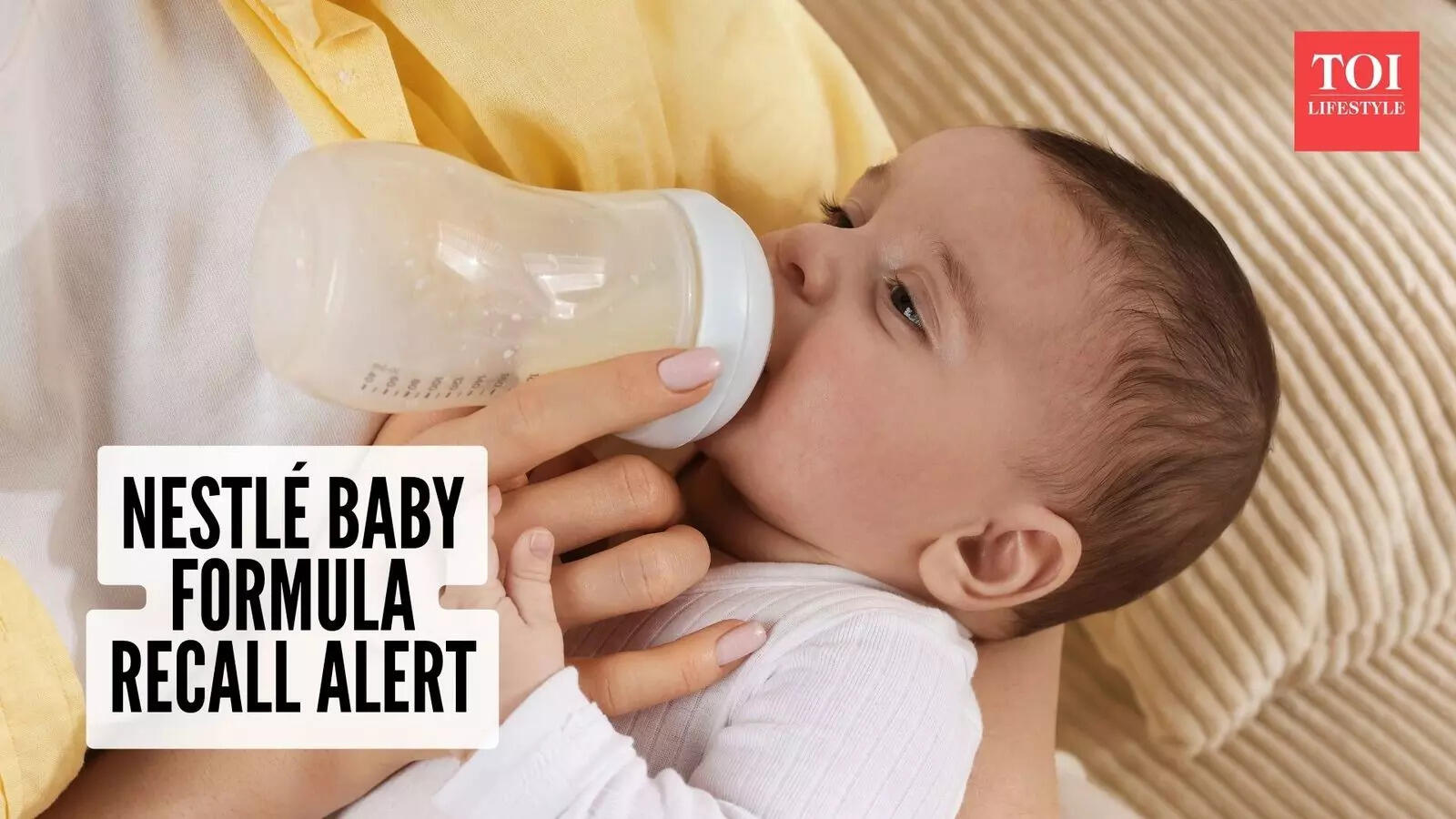
Geneva/London, January 6, 2026 – Nestlé, the world's largest food and beverage company, has launched a voluntary recall of specific batches of its infant formula products in multiple countries following the detection of a rare toxin in a key ingredient. The move, announced on Tuesday, addresses safety concerns related to arachidonic acid oil (ARA oil), with no illnesses reported to date.
The recall targets particular batches contaminated with trace amounts of cereulide, a heat-stable emetic toxin produced by the bacterium Bacillus cereus. According to Nestlé's statement, the issue was identified through rigorous internal quality checks, prompting the precautionary withdrawal to protect infant health. Parents and caregivers are urged to check product batch numbers and return affected items for refunds or exchanges.
Details of the Recall
The affected products are specific lots of Nestlé's infant formulas containing ARA oil, an essential fatty acid added to mimic the nutritional profile of breast milk and support early brain and eye development. ARA oil is a common ingredient in many commercial formulas worldwide, derived from fungal or algal sources and fortified to meet regulatory standards set by bodies like the European Food Safety Authority (EFSA) and the U.S. Food and Drug Administration (FDA).
Cereulide, the toxin in question, is a rare contaminant typically associated with starchy foods like rice or pasta but can occasionally appear in processed ingredients if environmental controls fail during production. It causes rapid-onset symptoms including nausea, vomiting, and abdominal cramps, usually within 30 minutes to six hours of ingestion. In infants, who have immature digestive and immune systems, such exposure could pose heightened risks, though Nestlé emphasized that levels detected were minimal and no adverse health events have been linked to the batches.
The recall spans multiple countries, though exact locations were not detailed in initial announcements. Reports indicate it affects markets in Europe, Asia, and possibly others where Nestlé distributes its NAN, Gerber, and other infant nutrition brands. Consumers are advised to consult Nestlé's official website or local health authorities for batch-specific lists, as only select production runs are involved.
"Nestlé is taking responsible action by recalling these batches," a company spokesperson said, as reported in coverage from Times of India. The firm underscored its commitment to the highest safety standards, noting that ongoing testing revealed the anomaly in a single supplier's ARA oil shipment.
Broader Context on Infant Formula Safety
Infant formula recalls are not unprecedented in the global market, driven by the product's critical role in feeding millions of babies unable to breastfeed. In recent years, the industry has faced scrutiny over contamination risks, supply chain vulnerabilities, and nutritional accuracy.
For instance, in 2022, several U.S. formula brands, including Abbott Nutrition's Similac, were recalled due to Cronobacter bacteria contamination, leading to shortages and hospitalizations. Globally, the World Health Organization (WHO) monitors formula safety closely, recommending exclusive breastfeeding for the first six months while endorsing regulated alternatives. Nestlé itself navigated controversies in the 1970s and 1980s over aggressive marketing in developing countries, resulting in the WHO's International Code of Marketing of Breast-milk Substitutes.
Regulatory frameworks vary: The European Union mandates strict microbial testing for formula, while India's Food Safety and Standards Authority (FSSAI) enforces similar guidelines. Cereulide's presence highlights challenges in algal oil production, where microbial growth must be controlled under Good Manufacturing Practices (GMP).
Health experts advise vigilance for symptoms like persistent vomiting, diarrhea, or lethargy in formula-fed infants. The U.S. Centers for Disease Control and Prevention (CDC) and equivalents elsewhere recommend immediate medical consultation if concerns arise, even absent confirmed exposure.
Nestlé's Response and Industry Implications
Nestlé has activated its global recall protocol, coordinating with retailers, distributors, and regulators to remove products from shelves. The company is working with suppliers to trace and resolve the contamination source, implementing enhanced testing protocols moving forward.
This incident occurs amid a stabilizing post-pandemic formula market, where supply chains have largely recovered from disruptions. However, it renews calls for transparency and diversified sourcing in infant nutrition. Parent advocacy groups, such as those affiliated with the International Baby Food Action Network (IBFAN), have praised the swift recall but urged broader audits.
As of Tuesday afternoon UTC, no consumer complaints or illnesses have been reported, aligning with the toxin's low detected levels. Nestlé anticipates completing the recall within weeks, with unaffected batches certified safe.
Outlook
The recall underscores the infant formula industry's zero-tolerance approach to potential hazards, prioritizing prevention over reaction. For parents, the key takeaway is batch verification: Nestlé provides hotlines and online tools for checks.
Health authorities worldwide continue to monitor, with no broader alerts issued. This proactive step by Nestlé likely averts any health impacts, reinforcing trust in regulated nutrition products while highlighting the need for vigilant supply chain oversight in a globalized food system.
(Word count: 712)