
Nestlé Initiates Global Recall of Infant Formula Batches Over Rare Toxin Detection
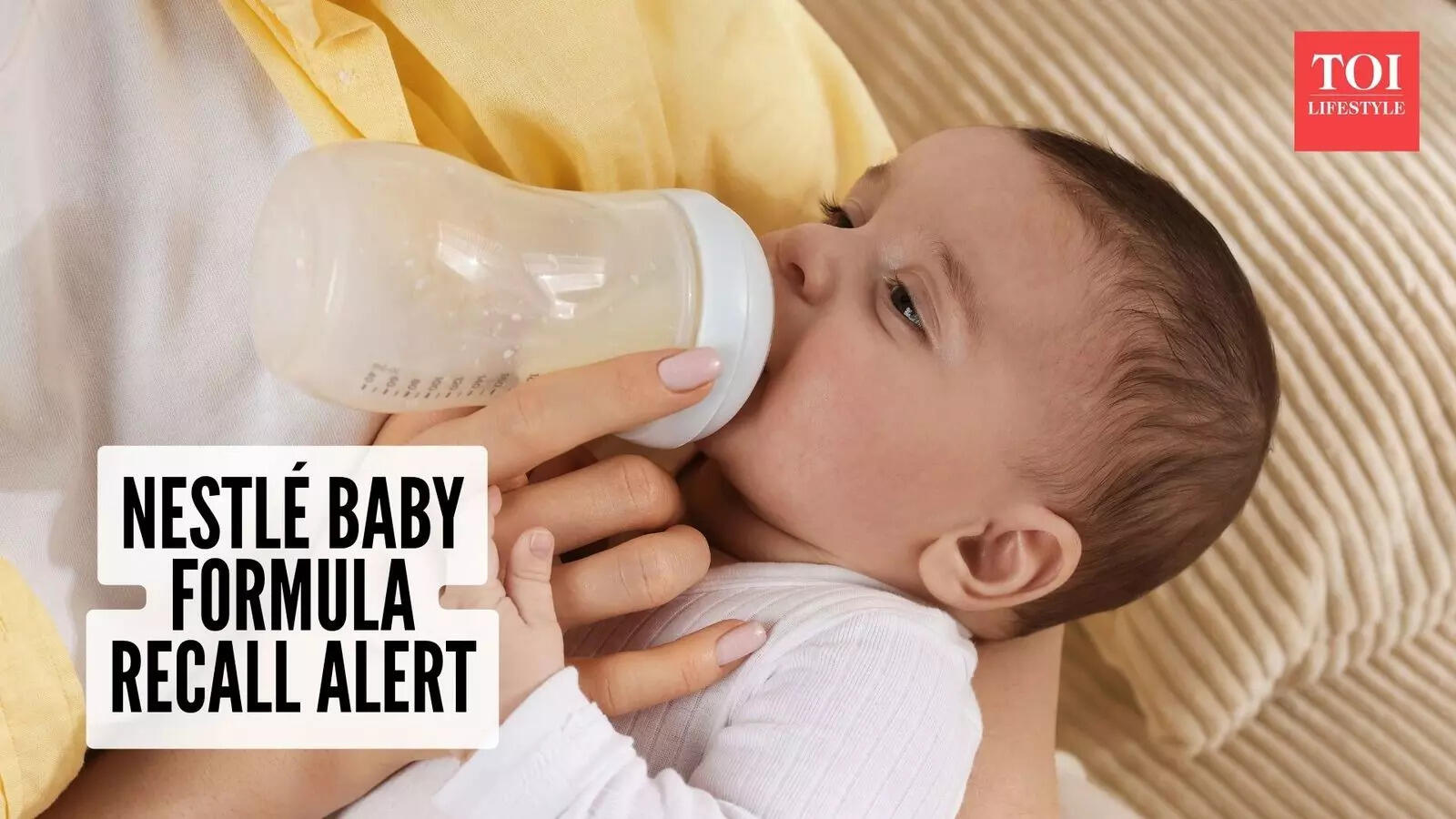
Geneva/London, January 6, 2026 – Nestlé, the world's largest food and beverage company, has launched a voluntary recall of specific batches of its infant formula products across multiple countries due to the potential presence of a rare toxin in a key ingredient. While no illnesses have been reported to date, the precautionary measure underscores ongoing vigilance in the highly regulated infant nutrition sector.
The recall, announced on Tuesday, targets batches containing arachidonic acid oil (ARA), an omega-6 fatty acid commonly added to infant formulas to support infant brain and eye development. Testing revealed traces of cereulide, a heat-stable emetic toxin produced by the bacterium Bacillus cereus, in the ingredient sourced from a third-party supplier. Nestlé emphasized that the contamination appears isolated and rare, with the company acting swiftly to protect consumers.
According to reports from Indian media outlet Times of India, the recall affects products sold in various markets, prompting health authorities to advise parents on monitoring for potential symptoms. Cereulide is known for causing rapid-onset food poisoning symptoms, primarily intense nausea and vomiting within hours of exposure, though severe cases can lead to dehydration or more serious complications in vulnerable infants. No confirmed cases linked to these batches have surfaced, but parents are urged to check batch numbers on packaging and consult pediatricians or local health regulators if concerned.
Nestlé stated in its official communication that it is "taking responsible action" by withdrawing the affected products from shelves and initiating refunds or replacements. The company has not disclosed exact batch numbers or a full list of impacted products in public statements so far, directing consumers to its website or customer hotlines for verification. This move aligns with standard protocols under international food safety standards, such as those set by the Codex Alimentarius Commission and national bodies like the U.S. Food and Drug Administration (FDA) or the European Food Safety Authority (EFSA).
Background on Infant Formula Safety and Cereulide Risks
Infant formula remains a critical lifeline for millions of babies worldwide, particularly in regions where breastfeeding is not feasible due to medical, logistical, or socioeconomic factors. The global market, valued at over $50 billion annually, is subject to stringent regulations due to infants' immature immune systems and higher susceptibility to contaminants. ARA and docosahexaenoic acid (DHA) are synthetic fatty acids modeled after those in breast milk, added since the early 2000s following research linking them to cognitive benefits.
Cereulide, first identified in the 1990s, is a potent toxin notorious for its stability—it withstands cooking temperatures up to 120°C (248°F) and remains active in processed foods. Outbreaks have historically been tied to starchy foods like rice or pasta contaminated by B. cereus spores, but its detection in a specialized oil like ARA is unusual. The toxin's presence likely stems from environmental contamination during manufacturing or storage of the raw ingredient, highlighting vulnerabilities in global supply chains.
This incident echoes past challenges in the industry. In 2022, Nestlé and other manufacturers recalled U.S.-sold formulas amid Cronobacter sakazakii contamination fears, leading to shortages. Globally, the World Health Organization (WHO) monitors such events closely, reporting that contaminated infant formula contributes to an estimated 200,000 neonatal illnesses yearly, though most are bacterial rather than toxin-related. Regulatory frameworks, including the European Union's Directive 2006/141/EC and India's Food Safety and Standards Authority (FSSAI) guidelines, mandate rapid recalls and traceability.
Response and Consumer Guidance
Health officials in affected countries are coordinating with Nestlé to ensure swift removal of products. In India, where the Times of India report originated, the FSSAI has issued alerts for parents to avoid the specified batches and return them to retailers. Similar advisories are expected from counterparts in Europe, Asia, and potentially North America, given Nestlé's extensive footprint.
Parents are advised to watch for symptoms such as sudden vomiting, abdominal cramps, or lethargy in infants, and seek immediate medical attention if they occur after formula consumption. The company is conducting a full investigation into the supplier and has implemented enhanced testing protocols moving forward.
Nestlé's swift response has been praised by industry watchers for prioritizing transparency, though it renews calls for tighter supplier audits. The infant nutrition division represents a fraction of Nestlé's $100 billion+ annual revenue but carries outsized reputational weight.
Outlook: Strengthening Supply Chain Resilience
As investigations continue, this recall serves as a reminder of the complexities in sourcing specialized ingredients for sensitive populations. Nestlé anticipates resolving the issue within weeks, with unaffected products remaining available. Broader implications could include heightened scrutiny on microbial controls in biotech-derived oils.
For now, breastfeeding advocacy groups like La Leche League reiterate WHO recommendations favoring human milk where possible, while affirming formula's safety when vetted. Global health bodies will likely review the case to refine standards, ensuring the next generation's nutrition remains uncompromised.
(Word count: 712)