
Nestlé Expands Precautionary Recall of Infant Formula to 37 Countries Over Potential Toxin Contamination
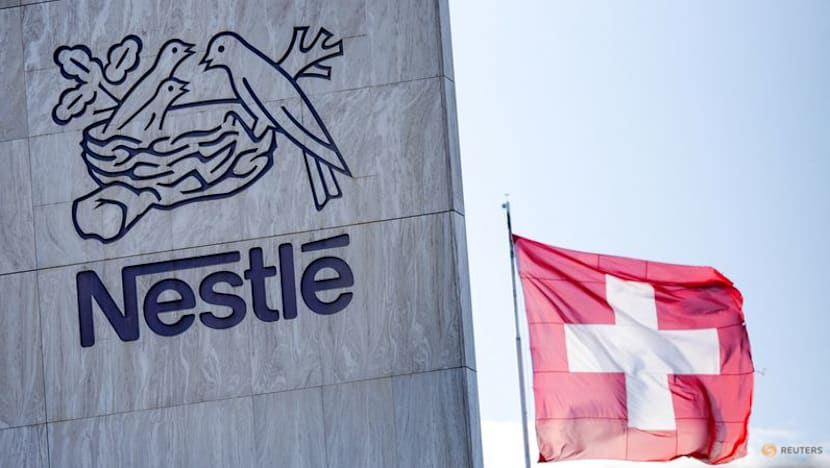
Geneva, Switzerland – January 8, 2026 – Nestlé, the world's largest food and beverage company, has broadened a precautionary recall of specific batches of its infant formula products to at least 37 countries spanning Europe, Africa, Asia, and the Americas. The move, initiated on January 6, addresses safety concerns related to a potential toxin, though the company has reported no associated illnesses to date.
The recall affects certain batches of Nestlé's infant formulas, which are critical for infant nutrition worldwide, particularly in regions where breastfeeding is not always feasible. According to details from the company and regulatory notifications, the action is preventive in nature, prompted by quality control findings during routine testing. Nestlé has urged parents and caregivers to check batch numbers on product packaging and return affected items for refunds or exchanges. Retailers across the impacted regions have been instructed to remove the products from shelves immediately.
The expansion of the recall, first announced in Europe before rapidly widening globally, underscores the interconnected nature of modern food supply chains. Countries affected include major markets such as those in the European Union, the United States, Canada, Brazil, South Africa, India, and several Southeast Asian nations. Full lists of impacted products and batch codes have been published on Nestlé's regional websites and through local health authorities, facilitating swift consumer action.
Mounting Pressure on Nestlé Amid Leadership Transition
The recall comes at a challenging time for Nestlé, which is navigating a leadership change with the recent appointment of a new CEO. Shares in the Swiss-based multinational slid in response to the news, reflecting investor concerns over potential reputational and financial damage. Analysts note that while no health incidents have been linked to the products, the scale of the recall—covering multiple continents—amplifies scrutiny on the company's supply chain integrity and quality assurance processes.
Nestlé issued a statement emphasizing its commitment to safety: "Consumer trust is paramount, and we are taking every possible measure to ensure the highest standards." The company is collaborating with regulatory bodies, including the European Food Safety Authority (EFSA), the U.S. Food and Drug Administration (FDA), and equivalents in Asia and Africa, to investigate the toxin's origin. Preliminary reports suggest the issue may stem from a manufacturing anomaly at a specific facility, though details remain under review.
Background: Infant Formula Safety in a Global Market
Infant formula is a highly regulated product globally, given its role as a breast milk substitute for millions of infants. The World Health Organization (WHO) estimates that formula feeds around 10-15% of infants worldwide, with demand surging in urbanizing developing economies and among working parents. Safety lapses, even precautionary ones, can have ripple effects, from supply shortages to heightened parental anxiety.
Nestlé, through its subsidiary Nestlé Nutrition, holds a significant share of the $50 billion-plus global infant formula market. The company has faced recalls before; for instance, in 2022, batches were pulled in multiple countries over potential bacterial contamination risks, echoing broader industry challenges post-COVID-19 supply disruptions. Historically, Nestlé weathered the 1977-1984 international boycott over aggressive marketing practices in low-income countries, as documented in the landmark "Nestlé Baby Killer" report. These episodes highlight ongoing tensions between profitability and public health imperatives.
Regulatory frameworks vary but are stringent: the EU's Rapid Alert System for Food and Feed (RASFF) enables cross-border alerts, while the FDA mandates immediate reporting of adulterated products. In Asia and Africa, bodies like Singapore's Agri-Food & Veterinary Authority and South Africa's Department of Health have swiftly activated response protocols, pulling products preemptively.
Global Impact and Consumer Guidance
The recall's multi-continental scope affects diverse markets. In Europe, where it originated, health ministries have reassured the public of ample alternative supplies. In the Americas, U.S. and Canadian parents are directed to Nestlé's hotline and the FDA's recall database. African and Asian nations, often more reliant on imported formulas, face potential short-term stock issues, prompting some governments to boost local production oversight.
No illnesses have been reported, a critical factor mitigating alarm. Pediatric experts, including those from the American Academy of Pediatrics, advise continuing breastfeeding where possible and consulting physicians for formula switches. Nestlé has committed to covering all recall costs and expediting replacement production.
Outlook: Strengthening Supply Chains Amid Scrutiny
As investigations continue, the episode serves as a reminder of vulnerabilities in global food production. Nestlé's response will be pivotal for its new leadership, with stakeholders watching for transparency and corrective actions. Shares partially recovered post-announcement, buoyed by the absence of health impacts, but long-term trust hinges on resolution speed.
Health authorities worldwide urge vigilance: parents should verify batch codes via official channels and avoid counterfeit products, which pose separate risks in informal markets. For Nestlé, this recall tests its resilience in a hyper-connected era where a single batch issue can span hemispheres.
(Word count: 712)