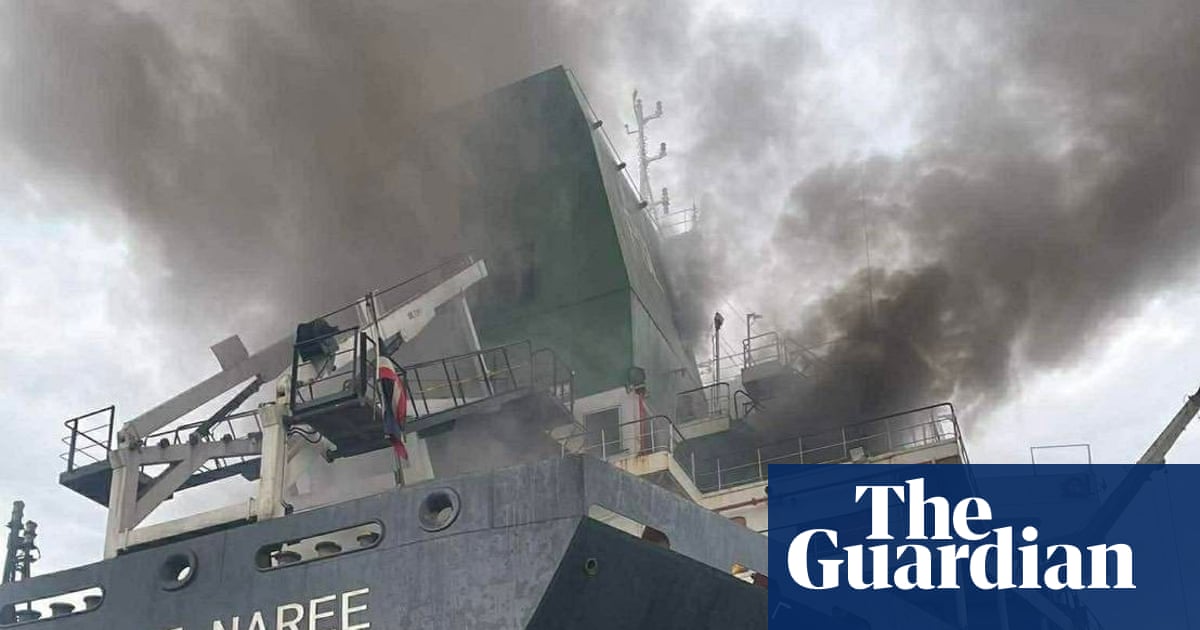

Navigating the Storm: Economic and Supply Chain Disruptions from Persian Gulf Strikes
By Viktor Petrov, Conflict & Security Correspondent, The World Now
March 11, 2026
This report examines the underreported economic ramifications and global supply chain vulnerabilities caused by the Persian Gulf strikes, reshaping international trade alliances and exposing energy dependencies. These disruptions, stemming from intensified Iranian attacks, are forcing a reevaluation of global economic structures amid escalating regional conflict.
Current Situation Overview
As of March 11, 2026, Iranian strikes have targeted critical infrastructure in the Persian Gulf, disrupting over 20% of regional export capacity. The Strait of Hormuz, vital for 21% of global oil trade, has seen a 97% drop in traffic, with oil prices surging to $105 per barrel and freight rates up 40%.
Economic Impacts and Future Outlook
The strikes have caused severe economic fallout, including $500 billion in annual trade losses and global ripple effects like higher oil prices and disrupted supply chains for semiconductors and autos. Looking ahead, scenarios range from escalation leading to a 2-3% GDP drop to diplomatic containment, emphasizing the need for energy diversification to mitigate risks.
Sources and Additional Insights
Sources include reports from The Guardian, Portfolio.hu, and France 24, detailing attacks and traffic declines. Social media from executives like @MaerskLine highlights rerouting costs, underscoring the need for strategic adaptations in global trade.






