
Nationwide Protests Ignite Over Fatal Shooting of Minneapolis Woman by ICE Officer
Protests have spread across the United States following the fatal shooting of 37-year-old Renee Nicole Good by a U.S. Immigration and Customs Enforcement (ICE) officer during a traffic stop in Minneapolis on January 7, 2026. Activists are mobilizing for hundreds of rallies this weekend, amid sharp criticism of federal immigration policies and a viral social media post from the NAACP likening ICE agents to the Ku Klux Klan.
The incident unfolded late Wednesday evening when the ICE officer pulled over Good, a mother of three, in Minneapolis. According to local officials cited in reports, video footage of the encounter indicates that Good did not pose a threat to the agent at the time of the shooting. The officer, however, claimed self-defense in the aftermath. The event has sparked immediate outrage, with demonstrations erupting in Minneapolis and quickly expanding to other cities, fueled by broader frustrations over aggressive immigration enforcement.
By Friday, January 9, protests had gained significant momentum. Channel News Asia reported a "weekend of US protests" highlighting tensions around immigration policies, while anger in Minneapolis over the "fatal shooting" was described as the catalyst for nationwide unrest. France 24 detailed plans for rallies in cities across the country on Saturday and Sunday, organized by anti-ICE activists demanding justice for Good. Al Jazeera quoted protesters chanting, "We have to stand up," underscoring calls for accountability in what they view as an unjust killing.
The NAACP amplified the controversy on social media that same day with a post comparing ICE agents to members of the Ku Klux Klan, which went viral amid the ongoing demonstrations. The statement drew sharp condemnation from local leaders in Minneapolis, who have criticized federal immigration tactics, but it also resonated with protesters highlighting perceived racial biases in enforcement actions.
Details of the Shooting and Initial Response
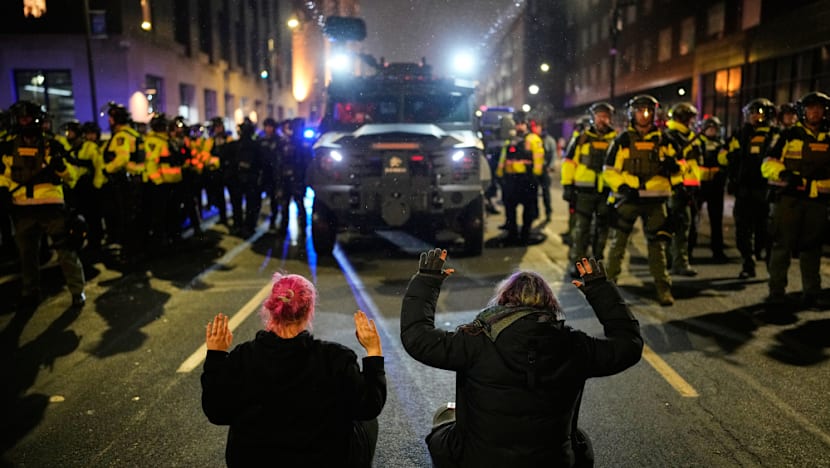
The traffic stop escalated rapidly, resulting in Good's death and prompting swift backlash. Local authorities released preliminary details from body camera or surveillance footage, which they say contradicts the agent's self-defense claim. Protesters in Minneapolis gathered outside ICE facilities and city hall, blocking streets and chanting for the officer's prosecution. Reports from Channel News Asia noted "widespread anger and unrest," with similar scenes reported in other urban centers as word spread via social media.
Immigration advocates have framed the shooting within a pattern of confrontational ICE operations. Good, described as a Minneapolis resident, was not specified in reports as the target of an immigration-related stop, but the involvement of an ICE officer has intensified scrutiny of the agency's street-level tactics.
Escalating Protests and Activist Mobilization
Organizers announced hundreds of rallies planned for the January 10-11 weekend, from coast to coast. France 24 reported that anti-ICE groups are coordinating events in major cities, focusing on demands to defund or reform the agency. In Minneapolis, the epicenter of unrest, crowds have swelled daily since the shooting, with participants carrying signs reading "Justice for Renee Good" and "End ICE Terror."
Al Jazeera captured the sentiment on the ground, with one protester stating, "We have to stand up," reflecting a broader coalition of civil rights groups, immigrant advocates, and local residents. The NAACP's provocative comparison to the KKK—posted amid these rallies—has polarized reactions, boosting visibility for the cause while drawing rebukes from federal officials and some community leaders who called for de-escalation.
Background on ICE Tensions
U.S. Immigration and Customs Enforcement has long been a flashpoint in national debates over immigration. Established in 2003 under the Department of Homeland Security, ICE enforces federal immigration laws through deportations, detentions, and workplace raids. Recent years have seen heightened activism against the agency, particularly during periods of expanded enforcement priorities targeting undocumented immigrants. High-profile incidents, including shootings and deaths in custody, have previously sparked protests in cities like Los Angeles and New York.
The Minneapolis shooting occurs against a backdrop of ongoing policy disputes. Local "sanctuary" jurisdictions, including Minneapolis, have clashed with federal authorities over cooperation with ICE. Critics argue that routine traffic stops by immigration agents blur lines between civil and criminal enforcement, endangering communities.
Outlook Amid Planned Rallies
As weekend protests loom, authorities in multiple cities are preparing for large crowds, with Minneapolis police issuing warnings about potential disruptions. Federal officials have not yet released a full statement on the shooting, but investigations by the Department of Justice and ICE's internal affairs are underway.
The events underscore deepening divides over immigration enforcement, with activists vowing sustained action until accountability is achieved. Whether the rallies lead to policy shifts or further escalation remains to be seen, but they have already elevated Renee Nicole Good's death into a national symbol of resistance against perceived overreach.
(Word count: 712)