
Nationwide Protests Ignite Over Fatal ICE Shooting of Mother in Minneapolis Traffic Stop
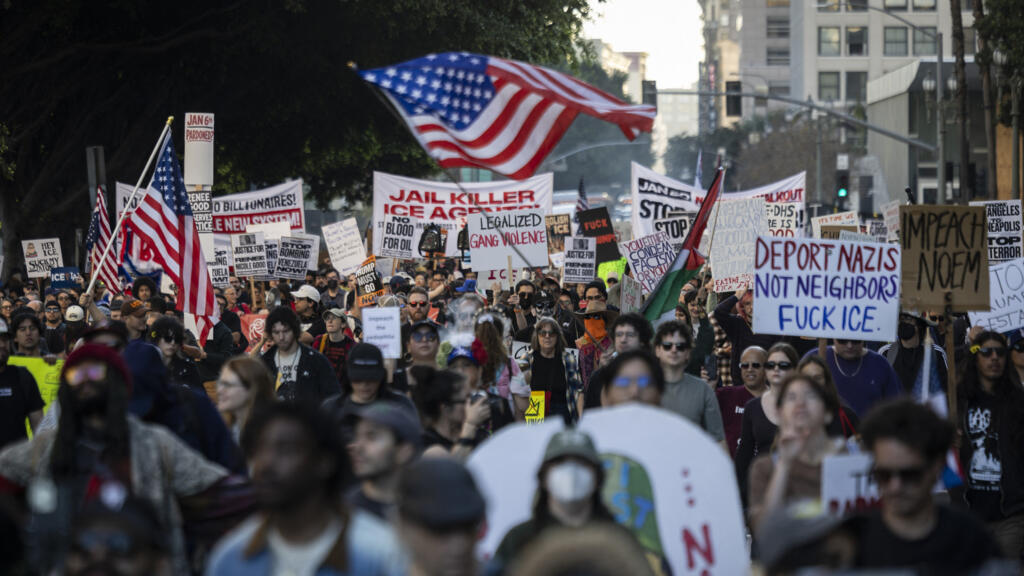
Tens of thousands of demonstrators took to the streets in Minneapolis and other major U.S. cities on Saturday, rallying against Immigration and Customs Enforcement (ICE) following the fatal shooting of 37-year-old mother Renee Good by an ICE agent during a routine traffic stop. The protests, branded under the slogan "ICE, Out for Good," have amplified broader outrage over the Trump administration's aggressive immigration enforcement policies, with additional rallies planned across the country this weekend.
The incident unfolded on January 7, 2026, in Minneapolis, where an ICE officer opened fire on Good, killing her during what was described as a traffic stop. Local leaders have swiftly condemned the shooting, linking it to escalating tensions surrounding federal immigration crackdowns. Protests erupted immediately, but reached a fever pitch on Saturday, drawing massive crowds that marched through downtown Minneapolis and extended to cities including New York, Los Angeles, Chicago, and smaller towns nationwide. Organizers framed the demonstrations not only as a response to the shooting but as a direct challenge to what they call the administration's "mass deportation" agenda.
Eyewitness accounts and initial reports describe the traffic stop escalating rapidly, though official details on the sequence of events remain limited as investigations proceed. The France 24 report highlights the scale of Saturday's mobilizations, with tens of thousands participating in peaceful marches that disrupted urban centers. Chants of "ICE, Out for Good" echoed through the crowds, signaling a unified call for the abolition or severe reform of the agency. Demonstrators carried signs decrying federal overreach, with many drawing parallels to past incidents of police violence against minorities and immigrants.
Rising Tensions Amid Immigration Crackdowns
The shooting occurs against a backdrop of intensified immigration enforcement under President Donald Trump's second term, which began in January 2025. The administration has prioritized mass deportations, expanding ICE operations to target undocumented immigrants, including workplace raids and street-level apprehensions. ICE, established in 2003 under the Department of Homeland Security following the 9/11 attacks, has long been a flashpoint for controversy. Critics argue its mandate blurs lines between immigration enforcement and local policing, leading to confrontations like the Minneapolis incident.
Historically, ICE has faced waves of protests, notably during Trump's first term in 2018 when "Abolish ICE" became a rallying cry amid family separations at the border. Recent policy shifts have amplified these debates: executive orders have increased funding for ICE by 20% in the 2026 budget proposal, aiming for 1 million deportations annually. Advocacy groups like the ACLU and United We Dream have documented a surge in ICE traffic stops, correlating with higher encounter rates in sanctuary cities like Minneapolis, which has resisted federal cooperation through local ordinances.
Local condemnation has been vocal. Minneapolis Mayor Jacob Frey, a Democrat, issued a statement on January 8 calling the shooting "a tragic escalation of federal overreach that endangers our communities." Minnesota Governor Tim Walz echoed these sentiments, urging a federal review while deploying state resources to monitor protests. On the federal side, ICE has confirmed an internal investigation but provided no further comment on the officer involved or circumstances of the shooting, citing ongoing inquiries by the Department of Justice.
Broader Context of Civil Unrest
This event fits into a pattern of civil unrest tied to immigration policy. In 2025 alone, similar demonstrations occurred in Phoenix and Houston following high-profile ICE arrests. The Minneapolis protests remain classified as medium severity by tracking platforms, with no reports of widespread violence as of January 11, though tensions simmer. Police in affected cities reported minimal arrests, primarily for minor infractions like blocking traffic, allowing most marches to proceed without major clashes.
The "ICE, Out for Good" movement has gained traction online, with hashtags trending on social media platforms and endorsements from progressive lawmakers. Planned rallies this weekend in over 50 cities, from Seattle to Miami, are expected to draw even larger crowds, organized by coalitions including the Immigrant Defense Project and national labor unions. Weather forecasts predict clear conditions, potentially boosting turnout.
Outlook and Implications
As investigations into Renee Good's death continue, the protests underscore deepening national divides over immigration. With midterm elections looming in 2026, the issue could mobilize voters on both sides: supporters of strict enforcement praise ICE's role in border security, citing record crossings in fiscal year 2025 exceeding 2.5 million encounters per U.S. Customs and Border Protection data. Opponents warn of humanitarian costs, pointing to family separations and community fear.
Federal officials have yet to outline policy responses, but analysts anticipate heightened ICE protocols amid the scrutiny. For now, the streets of America serve as a barometer of unrest, with Minneapolis at its epicenter. The coming days will test the administration's balancing act between enforcement goals and public backlash, as the nation watches for escalation or resolution.
(Word count: 712)