Myanmar Junta Releases Over 6,000 Prisoners in Independence Day Amnesty Amid Election Controversy

Latest from X
Myanmar Junta Releases Over 6,000 Prisoners in Independence Day Amnesty Amid Election Controversy
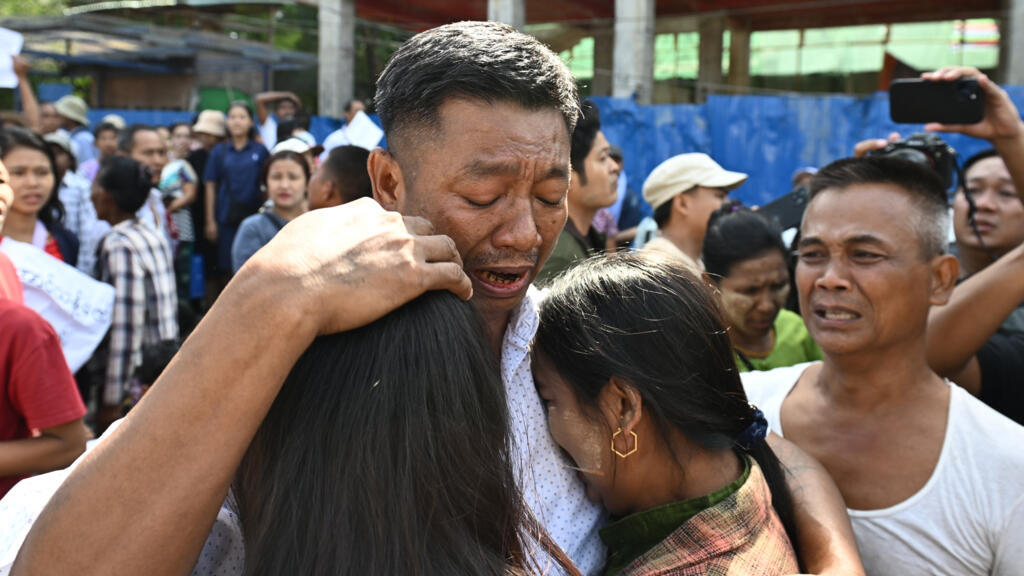
Yangon, Myanmar - On January 4, 2026, Myanmar's military junta announced the release of over 6,000 prisoners as part of an annual amnesty to mark the country’s Independence Day, commemorating its liberation from British colonial rule in 1948. The mass release, which includes 6,186 individuals according to state media, comes just a week after the start of a multi-stage general election widely criticized as a facade by international observers and local opposition groups. The timing of the amnesty has sparked speculation about the junta's motives, with many questioning whether it is an attempt to ease tensions amid mounting domestic and global criticism.
The National Defence and Security Council, led by junta chief Min Aung Hlaing, confirmed the pardon of 6,134 Myanmar nationals, alongside 52 foreign prisoners who are set to be deported, as reported by various international outlets. This annual gesture of clemency, often tied to significant national holidays, is not uncommon in Myanmar’s political landscape. However, the scale of this year’s release and its proximity to the controversial election have drawn significant attention.
Details of the Amnesty and Election Backdrop
While the junta has described the amnesty as a humanitarian act in honor of the 78th anniversary of Myanmar’s independence, specifics about the identities of those released remain unclear. It is uncertain whether the group includes political prisoners, thousands of whom have been detained since the military coup in February 2021 that ousted the democratically elected government of Aung San Suu Kyi. Her administration was replaced by a military regime that has since faced widespread resistance, including armed conflict with ethnic rebel groups and pro-democracy forces.
The recent election, which began in late December 2025 and is being conducted in phases, has been condemned as a sham by critics who argue it lacks legitimacy. The junta claims the election is a step toward restoring democracy, but opposition groups and international watchdogs have pointed to severe restrictions on political participation, the suppression of dissent, and the exclusion of key opposition figures, including Suu Kyi, who remains under detention. Reports of voter intimidation and irregularities have further eroded confidence in the process.
Posts on X from credible news sources such as TRT World and The Hindu have highlighted the juxtaposition of the prisoner release with the ongoing election, noting the junta’s announcement as a potential bid to garner public or international favor. These posts reflect a broader sentiment of skepticism about the military’s intentions, with many users and commentators questioning whether the amnesty addresses deeper systemic issues.
Background: Myanmar’s Political Crisis
Myanmar has been mired in political turmoil since the 2021 coup, which ended a decade of tentative democratic reforms. The military’s takeover triggered mass protests, a brutal crackdown, and an escalating civil conflict that has displaced hundreds of thousands and devastated the economy. The junta has justified its rule by alleging fraud in the 2020 election, a claim dismissed by independent observers. Since then, tens of thousands of individuals, including activists, journalists, and politicians, have been arrested, with many held under harsh conditions.
Amnesty releases in Myanmar have historically been used by military regimes as a tool to deflect criticism or signal goodwill, though they often exclude high-profile political detainees. Past releases have sometimes included only a small fraction of political prisoners, with many others remaining behind bars on charges widely seen as politically motivated.
International and Domestic Reactions
The international community has responded cautiously to the amnesty. While the release of prisoners is generally welcomed, there are calls for transparency regarding who has been freed and for the unconditional release of all political detainees. The United Nations and human rights organizations have repeatedly urged the junta to end its campaign of repression and engage in genuine dialogue with opposition groups.
Domestically, reactions are mixed. Some families rejoice at the prospect of reuniting with loved ones, while others express frustration over the lack of clarity and the broader context of oppression. Activists argue that without systemic change, such amnesties are merely symbolic and fail to address the root causes of Myanmar’s crisis.
Outlook: A Gesture Amid Uncertainty
As Myanmar navigates this latest chapter of political maneuvering, the prisoner amnesty serves as a reminder of the junta’s complex balancing act between maintaining control and managing public perception. With the election process ongoing and armed resistance showing no signs of abating, the release of over 6,000 prisoners may offer temporary relief for some, but it is unlikely to quell the deeper unrest gripping the nation.
Analysts suggest that the coming weeks will be critical in assessing the junta’s next moves, particularly regarding the election results and any further concessions. For now, the world watches as Myanmar remains a focal point of geopolitical concern, with its people caught between the promise of freedom and the reality of continued military dominance.
Track this story live
Live World Map
Monitor global events in real time with a live activity map and hotspot summaries.
Markets
Connect live events to Catalyst market signals across crypto, commodities, indices, and forex.
Geopolitical Risk
Live geopolitical risk index tracking conflict zones, sanctions, and global threat levels.
Original Sources
- •
- •Myanmar junta to release over 6,000 prisoners in annual amnesty— Hindustan Times
Editorial process: This article was synthesized from the original sources cited above using The World Now's AI editorial system, with byline accountability from our editorial team. We grade every story for source grounding, factual coherence, and on-topic match before publication. Read more about our editorial standards and contributors. Spot something inaccurate? Let us know.
Last updated: January 16, 2026