Mozambique Releases Daily Cholera Bulletin as Public Health Concerns Persist at Medium Severity
Maputo, Mozambique – The Government of Mozambique has issued its latest daily cholera bulletin, dated January 5, 2026, highlighting ongoing public health challenges amid a cholera situation assessed at medium severity. Published on January 6, 2026, via ReliefWeb, the report underscores the continued vigilance required in the country, where cholera remains a recurrent threat, particularly during periods of heavy rainfall and flooding.
The bulletin, sourced directly from Mozambican health authorities, serves as a routine update on the cholera outbreak dynamics across the nation. While specific case numbers, provincial breakdowns, and intervention metrics are detailed in the attached file referenced in the report, the overall situation is classified as medium severity. This classification signals a stable but persistent risk level, necessitating sustained public health measures such as improved sanitation, water treatment, and community surveillance.
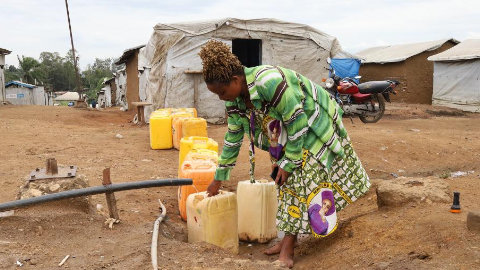
Cholera, an acute diarrheal disease caused by the bacterium Vibrio cholerae, spreads rapidly through contaminated water and food, posing a significant danger in areas with limited access to clean water and sanitation. In Mozambique, outbreaks are often exacerbated by cyclical natural disasters, including cyclones and floods, which disrupt infrastructure and displace populations.
Ongoing Monitoring and Response Efforts
Health officials in Mozambique have maintained a robust surveillance system for cholera, with daily bulletins like this one providing critical data to guide response strategies. The January 5 report continues a series of updates that track epidemiological trends, vaccination campaigns, and treatment protocols. According to the ReliefWeb posting, the document is intended for stakeholders including international partners, local governments, and humanitarian organizations to inform coordinated action.
Mozambique's Ministry of Health has historically collaborated with the World Health Organization (WHO) and other agencies during cholera events. Oral cholera vaccines (OCV), rehydration therapies, and hygiene promotion campaigns form the backbone of responses. The medium severity rating suggests that while the situation is not escalating to high alert, proactive measures are essential to prevent surges, especially as the Southern Hemisphere's rainy season progresses.
Historical Context of Cholera in Mozambique
Cholera has been a persistent public health issue in Mozambique for decades, with the country experiencing major outbreaks linked to environmental and climatic factors. The seventh cholera outbreak since 1974 was declared in January 2023, affecting all 11 provinces and reporting over 14,000 cases and more than 100 deaths by mid-year, according to WHO data. That epidemic was intensified by Cyclone Freddy, which struck in March 2023, causing widespread flooding in the Zambezia and Nampula provinces.
Subsequent waves in 2023-2024 saw renewed efforts, including a massive vaccination drive administering over 2 million OCV doses. By late 2024, the WHO reported a decline in cases, but sporadic transmission persisted into 2025, particularly in northern districts bordering Tanzania. Mozambique's vulnerability stems from its geography—over 2,700 kilometers of coastline prone to tropical storms—and socioeconomic challenges, with only about 53% of the population having access to safely managed drinking water services as of recent UNICEF estimates.
Climate change has amplified these risks, with more frequent and intense cyclones like Idai (2019) and Freddy leading to contaminated water sources and overwhelmed health systems. The government's National Cholera Elimination Plan, aligned with WHO's Global Task Force on Cholera Control, aims for a 90% reduction in mortality by 2030 through integrated water, sanitation, and hygiene (WASH) interventions.
Broader Implications and Outlook
The release of the January 5, 2026, bulletin occurs against a backdrop of global health priorities, where cholera affects an estimated 1.3 to 4 million people annually worldwide, per WHO figures, with Africa bearing the heaviest burden. In Mozambique, economic impacts are significant, as outbreaks strain healthcare resources and disrupt agriculture and trade in affected regions.
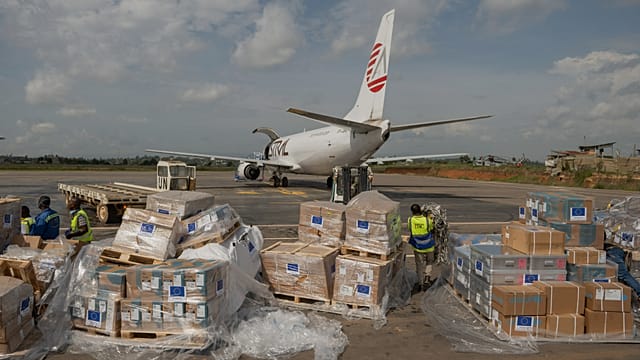
International support remains pivotal. Organizations like UNICEF, Médecins Sans Frontières (MSF), and the International Federation of Red Cross and Red Crescent Societies have historically provided logistics, supplies, and expertise. The current medium severity assessment indicates that containment efforts are holding, but experts emphasize the need for sustained investment in resilient infrastructure.
Looking ahead, health authorities will likely intensify monitoring as weather patterns evolve. The daily bulletin mechanism exemplifies Mozambique's commitment to transparency and rapid response, crucial for mitigating a potential escalation. Stakeholders are urged to consult the full report for granular data, ensuring that response remains data-driven and adaptive.
As Mozambique navigates this ongoing challenge, the focus remains on community education, equitable vaccine distribution, and long-term WASH improvements to break the cycle of cholera transmission.
(Word count: 612)