Mozambique Issues Daily Cholera Bulletin as Public Health Concerns Persist
Maputo, Mozambique – The Government of Mozambique released its latest daily cholera bulletin on January 6, 2026, covering data from January 5, underscoring medium-severity ongoing public health challenges related to the bacterial disease. The reports, disseminated via ReliefWeb, signal continued vigilance amid routine surveillance efforts in a country historically vulnerable to cholera outbreaks.
The bulletins, titled "Boletim Diário da Cólera Data: 05/01/2026," are produced by Mozambique's Ministry of Health and include detailed attachments such as files and infographics for public and stakeholder reference. One version is in Portuguese, reflecting the country's official language. These updates are part of a standardized protocol to track cholera incidence, response activities, and epidemiological trends across affected provinces. While specific case numbers, deaths, or geographic hotspots are detailed in the attached materials, the release aligns with a classified severity level of medium, indicating sustained but manageable transmission risks without escalation to high alert.
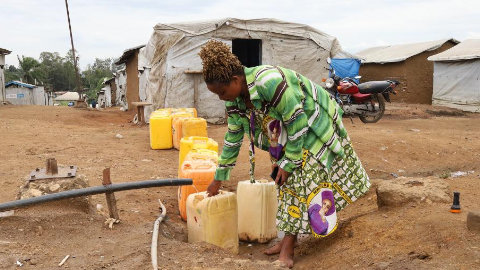
Cholera, caused by the bacterium Vibrio cholerae, spreads primarily through contaminated water and food, thriving in areas with inadequate sanitation and clean water access. In Mozambique, such conditions are exacerbated by seasonal flooding, cyclones, and dense urban populations. The daily bulletins serve as critical tools for health authorities, enabling rapid deployment of oral rehydration solutions, antibiotics, and vaccination campaigns where needed.
Context of Routine Surveillance
Mozambique's cholera monitoring system has evolved significantly in response to past epidemics. The World Health Organization (WHO) classifies the country as part of the cholera-endemic belt in eastern and southern Africa. Since 1973, Mozambique has experienced recurrent outbreaks, with major episodes linked to natural disasters. For instance, Cyclone Idai in 2019 triggered one of the worst outbreaks in decades, infecting over 7,800 people and causing more than 100 deaths, according to WHO data. More recently, Cyclone Freddy in early 2023 led to renewed surges, prompting international aid and the rollout of oral cholera vaccines (OCV) in high-risk areas.
The current bulletins continue this legacy of transparency and proactivity. Published promptly at 10:01 GMT on January 6, they reflect real-time data collection from health facilities nationwide. ReliefWeb, a platform operated by the United Nations Office for the Coordination of Humanitarian Affairs (OCHA), hosts these reports to facilitate global access for donors, NGOs, and researchers. The dual-language availability (standard Portuguese and a PT-specific infographic version) enhances dissemination to both local and international audiences.
Public health experts emphasize the importance of these updates in preventing escalation. According to WHO guidelines, medium-severity scenarios involve active cases but effective containment measures, such as community chlorination of water sources and hygiene education drives. Mozambique's National Cholera Elimination Plan, aligned with WHO's Global Task Force on Cholera Control, targets a 90% reduction in deaths by 2030 through integrated water, sanitation, and hygiene (WASH) interventions.
Broader Health Landscape in Mozambique
Mozambique faces intersecting health vulnerabilities that amplify cholera risks. The country grapples with high rates of malnutrition, HIV/AIDS prevalence (around 12% of adults per UNAIDS 2023 estimates), and limited healthcare infrastructure, particularly in rural northern and central provinces like Nampula, Zambézia, and Sofala—frequent outbreak epicenters. Climate change intensifies these threats, with the Mozambique Meteorological Institute forecasting above-average rainfall in early 2026, potentially straining water systems.
International partners play a pivotal role. UNICEF and Médecins Sans Frontières (MSF) have supported cholera treatment centers (CTCs) in past responses, while the Gavi Vaccine Alliance facilitates OCV stockpiles. The African Union's Africa CDC has also bolstered genomic surveillance to track cholera strains, aiding vaccine efficacy.
Recent global trends provide additional context: The WHO reported over 500,000 cholera cases worldwide in 2023-2024, with Africa accounting for 60%. Zimbabwe and Malawi, Mozambique's neighbors, have seen cross-border flares, underscoring regional solidarity through the Southern African Development Community (SADC) health frameworks.
Outlook and Response Imperatives
As of January 6, 2026, the medium-severity assessment suggests no immediate crisis but a call for sustained action. Health officials are likely prioritizing WASH improvements ahead of the rainy season, alongside public awareness campaigns. The daily bulletin cadence ensures agility—if cases rise, rapid scale-up of resources can occur.
Stakeholders urge continued funding for resilient infrastructure. The World Bank’s ongoing $500 million Resilient Recovery and Water Mobilization Project aims to upgrade water treatment in vulnerable districts, potentially mitigating future risks.
Mozambique's proactive reporting exemplifies effective public health governance in resource-constrained settings. With global attention on ending cholera as a public health threat by 2030, these bulletins remain a cornerstone of progress, fostering accountability and collaboration.
(Word count: 682)