Mozambique Faces Ongoing Cholera Challenges as Government Issues Daily Bulletin
Maputo, Mozambique – The Mozambican government has released its latest daily cholera bulletin, dated January 8, 2026, highlighting persistent public health concerns amid an ongoing cholera situation rated as medium severity. This update, shared via ReliefWeb, underscores the country's continued vigilance against the waterborne disease, which has been a recurring threat in the region.
The bulletin, produced by the Government of Mozambique, refers to an attached infographic detailing the current cholera situation as of January 8. It forms part of routine reporting that began gaining renewed attention around January 6, when initial situation reports flagged medium-level risks. While specific case numbers and provincial breakdowns are contained in the infographic, the release signals that cholera remains an active concern, necessitating sustained public health responses.
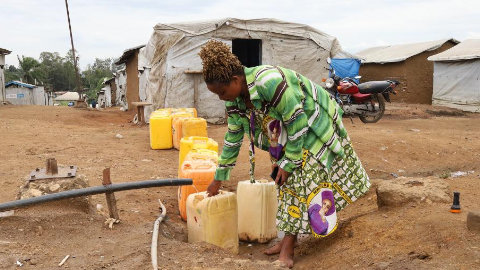
Cholera, caused by the bacterium Vibrio cholerae, spreads primarily through contaminated water and food, thriving in areas with inadequate sanitation and clean water access. In Mozambique, the disease often surges following natural disasters such as cyclones and floods, which damage infrastructure and displace populations.
Persistent Threat in a Vulnerable Nation
Mozambique's cholera outbreaks are not new. The country has battled cyclical epidemics for decades, exacerbated by its tropical climate, dense coastal populations, and frequent extreme weather events. According to historical data from the World Health Organization (WHO), Mozambique recorded over 11,000 cholera cases and more than 100 deaths in 2023 alone, with peaks in provinces like Nampula, Zambézia, and Sofala. The 2024-2025 rainy season saw renewed activity, prompting international aid and vaccination campaigns.
The January 2026 bulletin arrives amid the Southern Hemisphere's summer rainy season, a period historically associated with heightened transmission risks. Flooding from heavy rains can overwhelm sewage systems and contaminate water sources, creating ideal conditions for outbreaks. Government reports like this one are critical for tracking cases, deaths, and recovery rates on a daily basis, enabling targeted interventions such as chlorination of water supplies, oral rehydration therapy distribution, and community education.
Public health authorities in Mozambique, in coordination with partners like WHO and UNICEF, have emphasized rapid case detection and response. The daily boletins—boletim diário da cólera—provide real-time data to health districts, allowing for the deployment of mobile clinics and sanitation teams. The medium severity classification indicates a stable but concerning situation, short of high-risk escalation but warranting proactive measures to prevent surges.
Background: A History of Resilience and Response
Mozambique's vulnerability to cholera is deeply tied to its geography and socio-economic challenges. The country, located in southeastern Africa, borders the Indian Ocean and is prone to cyclones. Cyclone Idai in 2019 devastated central provinces, triggering one of the worst cholera outbreaks in recent memory, with over 7,800 cases reported in the aftermath. Similarly, Tropical Cyclone Freddy in 2023 displaced hundreds of thousands and reignited transmission.
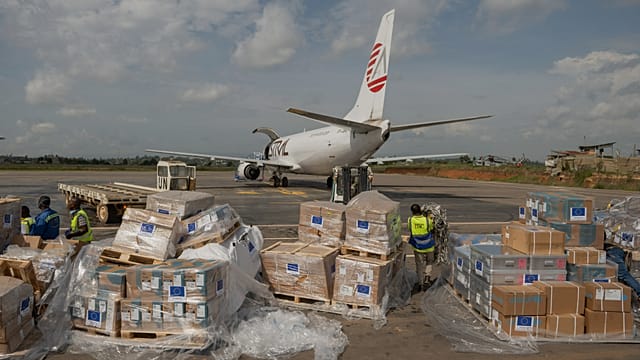
In response, Mozambique has built a robust surveillance system under its National Cholera Elimination Plan, aligned with WHO's global strategy to reduce cholera deaths by 90% by 2030. Key efforts include oral cholera vaccine (OCV) stockpiles, with over 3 million doses administered in past campaigns, and investments in water, sanitation, and hygiene (WASH) infrastructure. International support from organizations like the International Federation of Red Cross and Red Crescent Societies (IFRC) has bolstered these initiatives, providing emergency kits and training.
Despite progress, challenges persist. Rural areas often lack piped water, relying on unprotected wells or rivers, while urbanization strains facilities in cities like Maputo and Beira. Climate change intensifies these risks, with rising sea levels and erratic rainfall patterns projected to worsen flooding.
Government and International Coordination
The Government of Mozambique's Ministry of Health continues to lead the response, issuing these daily bulletins to maintain transparency and mobilize resources. The January 8 report, published on ReliefWeb on January 9, serves as a call to action for stakeholders. While exact figures from the infographic are not detailed in the summary release, such reports typically include cumulative cases, active hotspots, and fatality rates, guiding decisions on resource allocation.
WHO has commended Mozambique's reporting mechanisms, noting in recent regional updates that early warning systems have helped contain previous flares. Partners are on standby, ready to scale up if cases climb.
Outlook: Vigilance Key to Containment
As the cholera situation remains at medium severity, health officials urge the public to boil water, practice handwashing, and seek immediate care for symptoms like severe diarrhea and dehydration. Vaccination drives and WASH improvements are priorities, especially with the cyclone season looming from November to April.
Mozambique's track record shows that swift, coordinated action can curb outbreaks. Continued daily monitoring through bulletins like the January 8 edition will be essential to track progress and avert a larger crisis. International observers stress that sustained funding and infrastructure investment are vital for long-term elimination.
(Word count: 712)