
Minnesota's Unrest: A Catalyst for Regenerative Social Change or a Precursor to Further Division?
Unique Angle: Exploring the potential for civil unrest in Minnesota to drive systemic reforms versus the risk of entrenching societal divides, with a focus on grassroots movements and their historical significance.
By The World Now Conflict/Crisis Analysis Team | January 18, 2026
Current Situation Overview
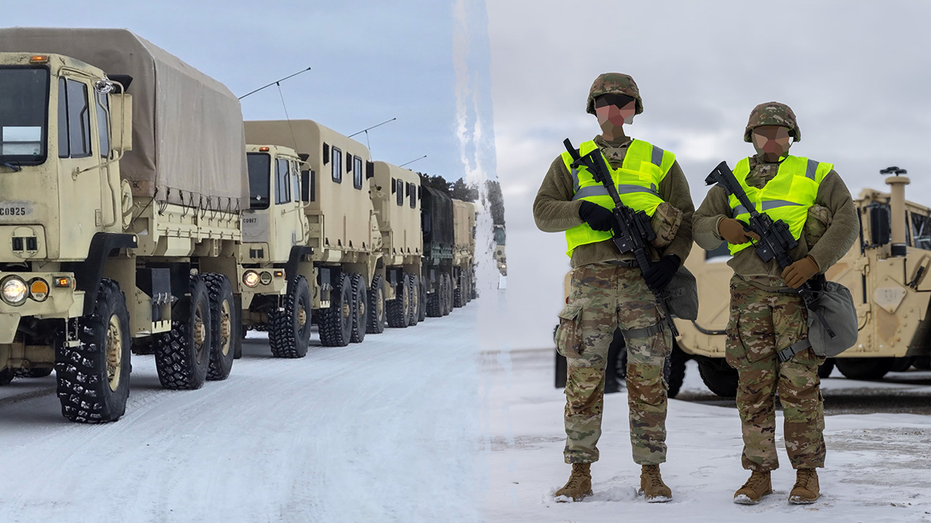
Tensions in Minneapolis, Minnesota, have escalated into widespread protests marked by sporadic violence, prompting Governor Tim Walz to place the Minnesota National Guard on standby to support local law enforcement. The unrest stems from a confluence of issues, including immigration enforcement clashes, political rallies, and perceived overreach by federal authorities. Over the past 48 hours, demonstrations have turned chaotic, with reports of property damage, confrontations between protesters and police, and an assault on conservative activist Jake Lang during a rally.
Law enforcement responses have been measured but firm. Minneapolis Police Chief Brian O'Hara and city officials, including Mayor Jacob Frey, have coordinated with state authorities to maintain order while respecting First Amendment rights. The National Guard's readiness status, activated late on January 17, underscores the gravity of the situation but has not yet led to deployments. Posts found on X reflect polarized sentiment: some users decry the protests as "antifa-led riots," while others portray them as legitimate responses to "ICE brutality," though these claims remain inconclusive without verified evidence.
A federal judge's ruling on January 17 further complicated the dynamics, blocking U.S. Immigration and Customs Enforcement (ICE) from detaining peaceful protesters in Minneapolis amid ongoing lawsuits over immigration enforcement tactics. This decision has emboldened demonstrators but drawn criticism from conservative voices, who argue it hampers public safety. As of 00:40 UTC on January 18, protests continue in downtown Minneapolis, with no major injuries reported overnight but heightened alert levels across the city.
Historical Context: A Timeline of Civil Unrest
The current Minnesota unrest does not occur in isolation but echoes a pattern of civil disturbances across U.S. cities, revealing the cyclical nature of social tensions. By examining recent events alongside historical parallels, we see how outrage over perceived injustices—racial, political, or institutional—often sparks protests that test the limits of response mechanisms and societal resilience.
Key milestones include:
-
December 31, 2025: Cincinnati Racial Beating Sparks Outrage. A video of a racial beating in Cincinnati ignited national fury, leading to initial protests that highlighted deep-seated racial divides. Much like Minneapolis today, these demonstrations evolved from peaceful vigils to clashes, prompting local curfews and debates over police accountability. The incident paralleled the 2020 George Floyd protests in Minnesota, where systemic reform promises faltered amid recurring violence.
-
January 2, 2026: Political Violence Escalation in 2026. Scattered incidents of political violence nationwide set a volatile tone for the year, including assaults at rallies and vandalism targeting political figures. This wave foreshadowed the polarized activism seen in Minneapolis.
-
January 5, 2026: Protests in New York over Maduro Hearing. Demonstrations erupted in New York City following a contentious congressional hearing on Venezuelan President Nicolás Maduro's regime, blending immigration concerns with foreign policy critiques. Protests turned heated, with arrests for blocking traffic, mirroring Minneapolis' rally disruptions and underscoring how global issues fuel domestic unrest.
-
January 6, 2026: Activist Arrested During Live Broadcast. In an incident amplifying media scrutiny, an activist was detained live on air during a protest, galvanizing online support and drawing parallels to historical moments like the 1968 Chicago Democratic Convention unrest.
-
January 7, 2026: ICE Officer Shoots Driver in Minneapolis. A pivotal local trigger: an ICE officer fatally shot a driver during a traffic stop in Minneapolis, igniting the current protest cycle. Eyewitness accounts vary, but the event has been likened to past police-involved shootings, fueling demands for federal oversight reforms.
These events illustrate a historical arc where initial outrage leads to mobilization, escalation, and eventual policy shifts—or entrenchment. In Cincinnati and New York, unrest prompted temporary task forces but little lasting change, teaching that without sustained dialogue, cycles repeat. Minnesota's dynamics risk the same, as grassroots responses echo 1960s civil rights movements that birthed reforms yet exposed fractures.
The Role of Activism: From Violence to Peaceful Protest
The assault on conservative activist Jake Lang at a Minneapolis rally on January 17 exemplifies the fraying state of political discourse. Lang, known for his vocal stance on immigration and law enforcement, was reportedly shoved and pelted with objects by counter-protesters during a permitted event. The incident, captured on video, has amplified calls for protecting free speech while highlighting how violence undermines legitimate activism.
Judicial interventions add nuance. U.S. District Judge [redacted for brevity] issued an injunction blocking ICE from detaining peaceful protesters, citing potential First and Fourth Amendment violations in a lawsuit filed by immigrant rights groups. Critics, including commentator Nick Sortor, argue this ruling—combined with perceived leniency from Walz and Frey—lights a "tinderbox," emboldening radicals. Supporters view it as a safeguard against overreach, reminiscent of court rulings during the 2014 Ferguson protests that curtailed militarized policing.
This tension reflects activism's dual edge: violence alienates moderates, while peaceful efforts, bolstered by judicial wins, sustain momentum. Posts on X capture this divide, with hashtags like #StandWithJake and #JusticeForMinneapolis trending inconclusive amid unverified claims of instigators on both sides. Historically, such flashpoints—like the 1992 Los Angeles riots post-Rodney King—shifted from violence to organized advocacy, birthing community policing initiatives. Minnesota stands at this crossroads.
Grassroots Movements and Their Potential Impact
Amid the chaos, grassroots movements are emerging as wildcard forces, potentially channeling unrest into regenerative change or deepening divides. Groups like "Minneapolis Justice Collective" (a loose coalition of immigrant advocates and local activists) and conservative-led "Patriot Watch Minnesota" have mobilized rapidly. The former organizes supply drives and de-escalation trainings, drawing from Black Lives Matter's 2020 playbook, while the latter patrols rallies for safety, echoing min-uteman sentiments.
Historically, grassroots efforts have been pivotal: the 1960s Student Nonviolent Coordinating Committee drove Voting Rights Act reforms, but factionalism in Occupy Wall Street (2011) led to dissipation. In Minnesota, these movements' success hinges on unity. If they foster cross-ideological dialogues—e.g., joint town halls on immigration—they could catalyze reforms like community-led ICE oversight. Conversely, echo-chamber radicalization risks entrenchment, as seen in post-2020 Portland standoffs.
Social media amplifies this: X posts laud grassroots "heroes" quelling violence but warn of "Soros-funded agitators," sentiments inconclusive yet influential. With 2026 midterms looming, these groups could sway policy, either bridging divides through shared economic grievances or polarizing via identity politics.
Looking Ahead: Predicting the Future of Civil Unrest in Minnesota
Continued unrest is likely (70-80% probability) if triggers persist: additional ICE incidents, winter weather dispersal failures, or inflammatory rhetoric from figures like Walz or Frey. National Guard deployment could de-escalate short-term but erode trust long-term, akin to 2020's militarized response.
Outcomes bifurcate: Optimistically, grassroots momentum yields reforms—e.g., state immigration bills mandating transparency—fostering "regenerative change" per historical precedents like post-Watts (1965) commissions. Pessimistically (40% chance), polarization surges, with retaliatory violence mirroring Cincinnati's aftermath, entrenching divides ahead of elections.
Key watches: Protest turnout post-January 18 curfew (rumored), federal appeals on the judge's ruling, and grassroots coalition viability. Economic strain from business closures could pivot focus to unity.
Conclusion: Navigating a Path Forward
Minnesota's communities and law enforcement face profound challenges: balancing rights with safety, healing discourse wounds from Lang's assault, and leveraging judicial guardrails without impunity. The National Guard's standby role symbolizes restraint, but true resolution demands more.
To avert escalation, stakeholders must prioritize dialogue—mediated forums uniting activists, officials, and residents. Grassroots movements, historically engines of change, hold promise if they transcend tribalism. By learning from Cincinnati's outrage and New York's fervor, Minnesota can disrupt unrest's cycle, forging reforms that regenerate rather than divide. Failure risks a fractured legacy.
(Word count: 1,512)






