
Minnesota Paid Leave Law Launches as U.S. Tightens Visa Rules and Venezuelan Leader Faces Federal Charges
Minneapolis/St. Paul, MN & New York, NY – January 6, 2026 – Minnesota's landmark paid family and medical leave law took effect on January 1, offering workers up to 20 weeks of benefits, while the U.S. government expanded controversial visa bond requirements to additional countries. In a separate high-profile development, Venezuelan President Nicolás Maduro pleaded not guilty to narco-terrorism charges during an arraignment in a New York federal court, marking a rare instance of a sitting foreign leader facing U.S. justice.
The Minnesota Paid Family and Medical Leave Insurance Program, often referred to as the SAFE Act (Secure and Fair Enforcement), began providing benefits this week. The law entitles eligible workers to paid time off for serious health conditions, bonding with a new child, or caring for family members facing medical issues. Benefits can reach up to 20 weeks annually, funded through a combination of employee and employer payroll contributions that started accumulating in 2024. Proponents hail it as a step toward economic security, aligning Minnesota with states like California and New York that have similar programs. However, critics have raised alarms over potential fraud exploitation, warning that lax verification could strain the system's finances amid rising claims.
This legislation stems from a 2023 bill signed by Democratic Gov. Tim Walz, passed by a narrow margin in a divided legislature. It builds on federal unpaid leave protections under the Family and Medical Leave Act of 1993 but goes further by mandating pay. As of January 1, the program is administered by the Minnesota Department of Employment and Economic Development, with initial claims already processing. Business groups, including the Minnesota Chamber of Commerce, have expressed concerns about administrative burdens and costs, estimated at 0.25% to 1% of payroll depending on employer size.
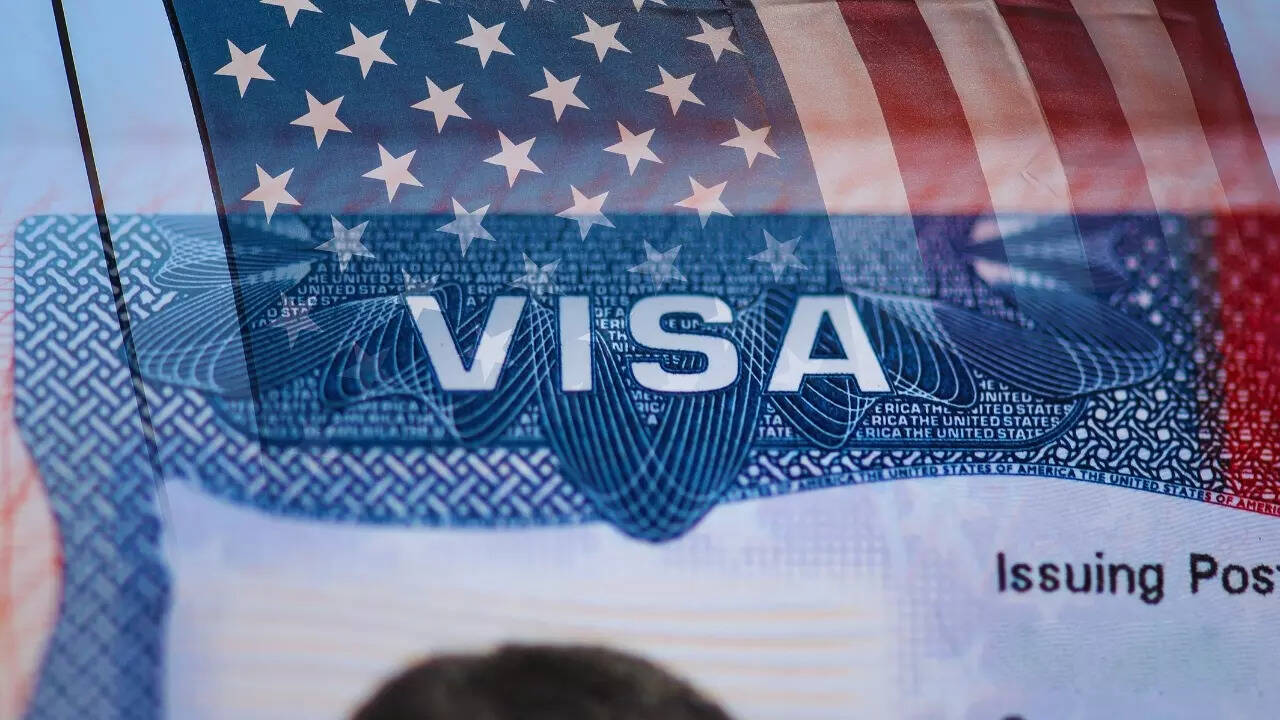
In parallel, the Trump administration announced an expansion of its visa surety bond policy on January 6, adding seven more countries—primarily in Africa—to a list now totaling 13 nations. Travelers from these countries must now post bonds ranging from $5,000 to $15,000 to obtain certain nonimmigrant visas, aimed at curbing overstays and visa abuse. The policy, which requires the bond to be forfeited if the traveler fails to depart on time, has drawn criticism for its financial barriers, particularly for low-income applicants. Affected countries include several West African nations like Nigeria, Ghana, and Senegal, alongside others such as Cameroon, Sierra Leone, Liberia, and Guinea. This move continues a trend of tightened U.S. immigration enforcement, echoing similar measures implemented during Trump's first term.
The visa bond program originated as a pilot under the Immigration and Nationality Act, allowing consular officers to impose financial guarantees on high-risk applicants. The expansion reflects broader priorities of the incoming administration, which has pledged stricter border controls and reduced illegal immigration. Immigration advocates argue the requirements disproportionately impact developing nations, potentially limiting legitimate travel for tourism, business, and family visits.
Adding to the week's legal headlines, Nicolás Maduro and his wife, Cilia Flores, appeared before U.S. District Judge Alvin Hellerstein in Manhattan's Daniel Patrick Moynihan Courthouse on January 6. Maduro, 63, pleaded not guilty to narco-terrorism charges stemming from long-standing U.S. indictments alleging ties to drug cartels and the FARC guerrilla group in Colombia. During the hearing, the Venezuelan leader proclaimed his innocence, describing himself as an "honest man" and a "kidnapped president," suggesting political motivations behind his detention.
Background on U.S.-Venezuela Tensions
U.S. authorities first unsealed narco-terrorism indictments against Maduro and associates in 2020, accusing them of facilitating cocaine shipments to the U.S. as part of a "Cartel of the Suns" network within Venezuela's military. The case gained renewed urgency amid Venezuela's political crisis, including disputed 2018 elections and U.S. recognition of opposition leader Juan Guaidó. Maduro's appearance in federal court—unprecedented for a sitting head of state—raises questions about his custody status and potential extradition circumstances, though details remain sealed.
These events underscore a busy start to 2026 for U.S. policy and legal spheres. Minnesota's law represents progressive state-level labor reforms amid national debates over worker protections, while the visa expansion signals a hawkish immigration stance. Maduro's arraignment highlights the U.S. judiciary's reach in international narcotics enforcement.
Looking ahead, Minnesota employers brace for implementation challenges, with the state projecting $1 billion in annual benefits by 2028. Visa policy critics may pursue legal challenges, and Maduro's case could extend months, influencing U.S.-Latin America relations. As these developments unfold, they reflect ongoing tensions between economic equity, immigration control, and global accountability.
(Word count: 712)






