
Minneapolis Gripped by Protests After Fatal ICE Shooting as Federal Response Escalates
Minneapolis, Minnesota, descended into unrest on January 8, 2026, following the fatal shooting of a woman by an ICE officer during a traffic stop the previous day, prompting clashes with federal agents, school closures, and a stern warning from Attorney General Pam Bondi. The Trump administration responded by deploying over 100 additional U.S. Customs and Border Protection agents to the area amid growing demonstrations against federal immigration enforcement.
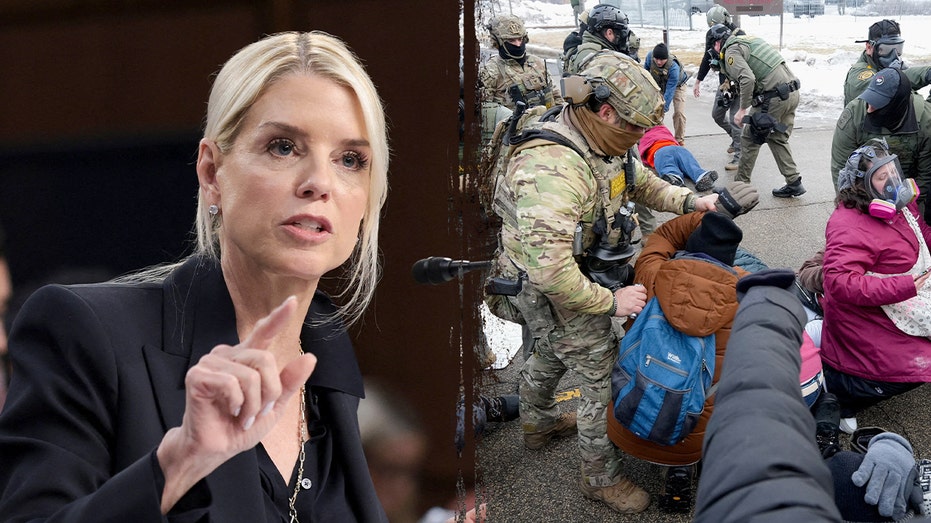
The incident unfolded on January 7 during what authorities described as a routine traffic stop, where the ICE officer shot and killed the female driver. Local leaders quickly condemned the event, linking it to broader frustrations with federal immigration policies. Protests erupted almost immediately, escalating into direct confrontations by Thursday morning. Demonstrators clashed with law enforcement agents in the streets, setting up encampments and barricading roads, which forced the closure of schools affecting approximately 30,000 students and shuttered local businesses as the city braced for further unrest.
Attorney General Pam Bondi addressed the situation directly, issuing a warning to protesters: "Do not test our resolve." Her statement emphasized that attacks on federal agents would result in arrests, signaling a zero-tolerance stance from the Justice Department. This came as reports detailed agitators transforming parts of the city into a tense standoff zone, with barricades disrupting traffic and daily life.
In a show of federal reinforcement, the Trump administration announced the deployment of more than 100 additional Customs and Border Protection agents and officers to Minnesota. The move was framed as a direct response to the shooting and subsequent protests, aiming to bolster immigration enforcement operations and protect federal personnel amid the volatile atmosphere.
Broader Context of Rising Tensions
The Minneapolis unrest occurs against a backdrop of warnings about escalating political violence in the United States as 2026 begins. On January 2, a former FBI agent highlighted a medium-severity uptick in such incidents, citing recent events including an alleged assassination attempt and attacks on ICE facilities nationwide. While specifics on those prior incidents remain tied to ongoing investigations, the Minneapolis shooting has amplified concerns, with protesters framing it as emblematic of aggressive federal tactics under the current administration.
Immigration enforcement has been a flashpoint since President Trump's return to office in 2025, with renewed emphasis on deportations and border security. ICE operations, including traffic stops targeting undocumented individuals, have faced increased scrutiny and opposition from progressive strongholds like Minneapolis, a city with a history of activism on immigrant rights dating back to the 2020 George Floyd protests. Local condemnation has focused on the perceived overreach of federal agents, though federal sources maintain the shooting was justified during the encounter.
Federal and Local Responses
Bondi's directive underscores the administration's determination to maintain order. "Protesters demonstrating over the fatal shooting... clashed with law enforcement agents Thursday morning," reports noted, indicating early morning skirmishes that set the tone for the day. The arrival of additional border agents is expected to heighten security around ICE operations, potentially diffusing immediate threats but also risking further escalation if protests persist.
City officials have not issued detailed statements beyond initial outrage, but the widespread closures suggest preparations for prolonged demonstrations. Schools dismissed students early or canceled classes outright, while businesses in affected areas boarded up windows and halted operations, evoking memories of past urban unrest in the Twin Cities.
Outlook Amid National Concerns
As of January 8 evening, Minneapolis remained on edge, with federal reinforcements en route and protesters maintaining their positions. The episode fits into a pattern of medium-severity civil disturbances linked to political divides, particularly around immigration. Whether the influx of agents will restore calm or provoke wider confrontations remains uncertain, but it highlights deepening national fissures entering 2026.
Authorities continue to monitor the situation closely, urging peaceful expression while preparing for any violence against federal personnel. No arrests or injury figures from the clashes have been publicly detailed yet, but the rapid federal mobilization indicates the gravity with which the administration views the unrest.
(Word count: 612)






