
Milan Tram Derailment: A Wake-Up Call for Urban Transit Safety in Italy
Breaking News: Details of the Tram Incident
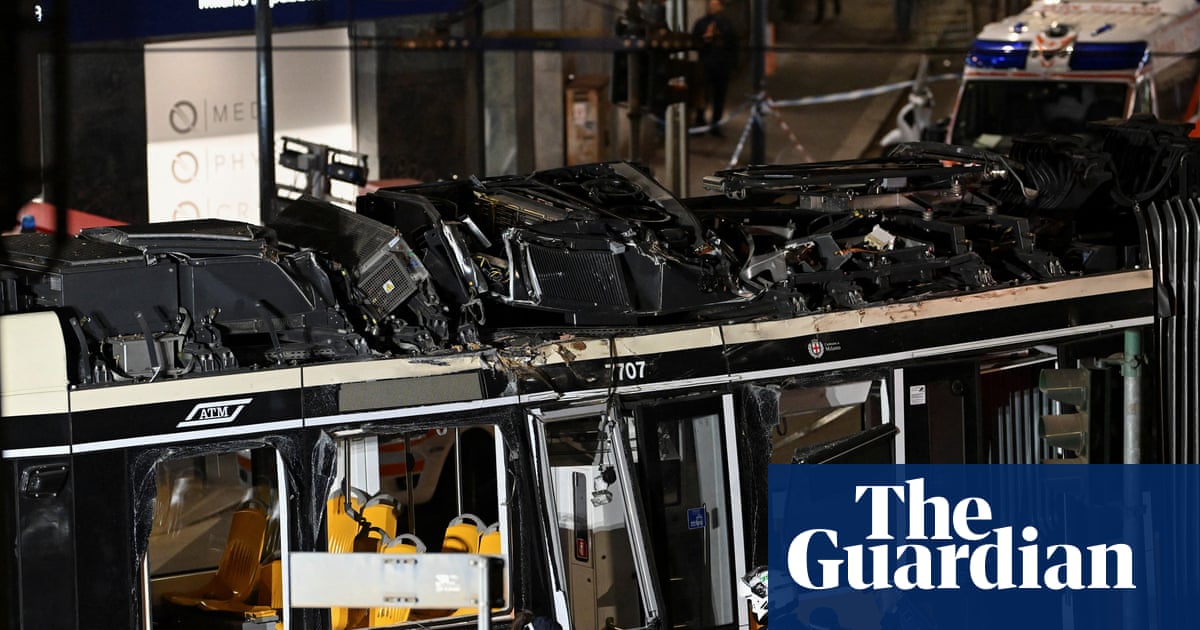
In a shocking incident in Milan's bustling city center on February 27, 2026, a tram derailed from its tracks and plowed into a nearby building, resulting in two fatalities and 38 injuries. Eyewitnesses described hearing a loud screech followed by a massive crash around midday, as the Number 3 tram line hurtled out of control near Piazza Fontana. Emergency services responded swiftly, evacuating the site and transporting the wounded to local hospitals, including Fatebenefratelli and Policlinico. One fatality was a passenger onboard, while the second was a pedestrian struck by debris. Authorities confirmed the tram was carrying over 50 passengers at the time. Preliminary investigations suggest a possible track failure or mechanical issue, but the exact cause remains under investigation by Milan's transport authority (ATM) and national prosecutors. The area remains cordoned off, disrupting central traffic and raising concerns about urban transit safety.
Historical Context: Learning from the Past
This derailment echoes Italy's troubling pattern of transit mishaps, most notably the catastrophic cable car accident on December 30, 2025, in northwest Italy's Mottarone region. That disaster claimed 14 lives when a cable snapped, plunging the cabin into a ravine and exposing chronic maintenance lapses in aerial transport systems. The governmental response was swift: Prime Minister Giorgia Meloni ordered a nationwide audit of cable cars, leading to temporary closures and €200 million in promised infrastructure upgrades. However, critics argue these reforms fell short for ground-level urban transit like trams, which operate on aging networks dating back decades. Milan's tram system, a symbol of the city's historic charm, has seen only incremental updates despite prior minor incidents. Today's crash underscores unaddressed vulnerabilities, linking it directly to the 2025 probe's recommendations for unified safety standards across all public transport—measures that have yet to be fully implemented.
Implications for Urban Transit Safety
Milan's tram network, one of Europe's oldest, relies on protocols involving regular track inspections and speed limits, but experts question their adequacy amid rising ridership and urban density. The ATM agency mandates bi-annual checks, yet this incident reveals potential gaps in real-time monitoring technology, such as automated braking systems common in cities like Paris or London. Comparatively, Italy's urban transit lags behind EU averages in digital upgrades, with only 40% of tracks equipped with predictive sensors per a 2025 European Transport Safety Council report. This derailment could catalyze regulatory overhauls: expect calls for mandatory AI-driven oversight, stricter liability for operators, and federal funding boosts. Stakeholders, from ATM executives to Transport Minister Matteo Salvini, face mounting pressure. For riders, it heightens fears in a system handling 300,000 daily trips, potentially eroding trust if reforms stall.
What This Means for the Future of Milan's Transit
This incident will likely trigger intensified scrutiny, with preliminary findings expected within 72 hours and a full inquiry by summer. Policy shifts may include accelerated €500 million EU-funded retrofits for Milan's 180km of tram lines, mirroring post-2025 cable car mandates. Public demand, amplified by protests, could force faster adoption of modern safeguards like collision-avoidance technology. Expect temporary service cuts on high-risk lines and a broader push for national urban transit standards. Public perception of safety—already shaky after 2025—may dip, boosting private alternatives like e-bikes, but sustained reforms could restore confidence. Watch for Meloni's administration to announce an emergency safety summit, signaling a pivotal moment for Italy's transit evolution.
This is a developing story and will be updated as more information becomes available.