
Middle East Strike: Trump's Iran Truce – Psychological Warfare and Its Ripple Effects on Emerging Alliances
Introduction: The Art of Diplomatic Bluffing in the Middle East Strike
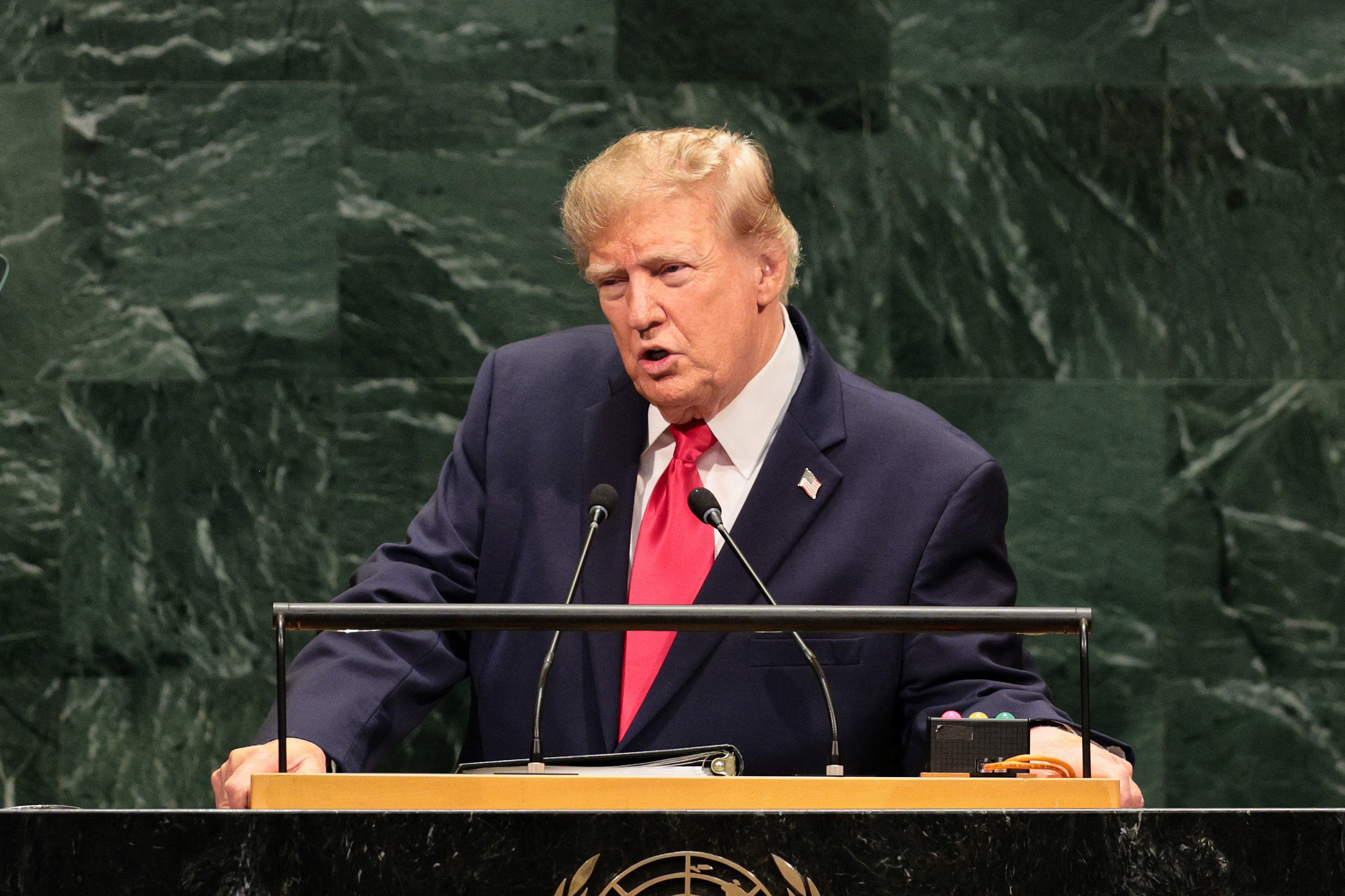
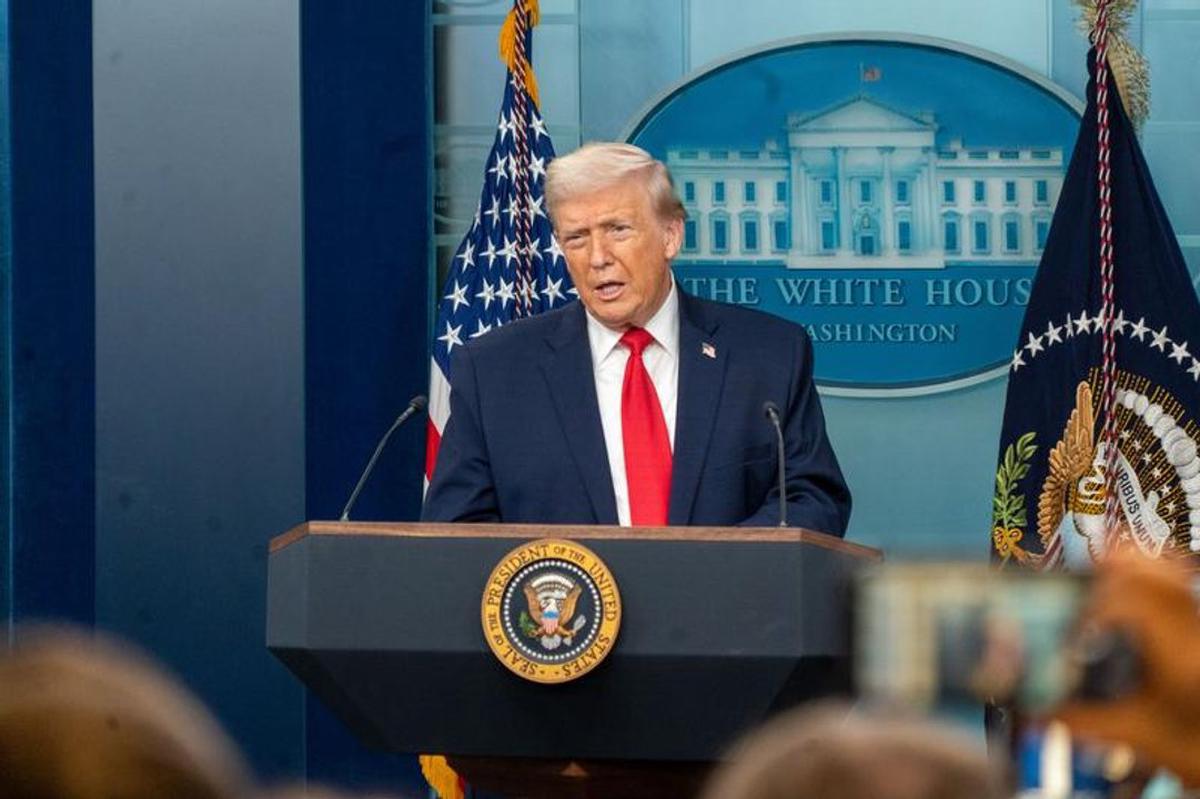
In the high-stakes theater of modern geopolitics, few events exemplify psychological warfare as vividly as President Donald Trump's announcement of a five-day truce with Iran amid the escalating Middle East strike tensions. On March 23, 2026, Trump declared an extension of deadlines and claimed "productive" talks had averted imminent U.S. strikes on Iranian energy infrastructure, including power plants and potentially the strategic Kharg Island oil facility. Iran, in a swift counterpunch, denied any such conversations through state media and official channels, with Tehran mocking the U.S. leader as having "backed down." This exchange is not mere rhetoric; it represents a calculated form of diplomatic bluffing, where narrative control trumps military action in this critical Middle East strike scenario.
This episode underscores a profound shift in international relations: from brute-force confrontation to sophisticated battles over perception and influence. Trump's posturing—threatening strikes one day and pausing them the next—mirrors poker tactics, forcing adversaries to second-guess intentions while rallying domestic support. Iran's denials, amplified by state TV and outlets like Anadolu Agency, serve a dual purpose: bolstering internal resolve and projecting defiance to allies. What sets this apart from routine saber-rattling is its ripple effects on emerging global alliances. In a multipolar world, this psychological jousting is reshaping Middle Eastern dynamics, potentially drawing Russia and China closer to Iran while straining U.S. ties with Arab states. As social media platforms like X (formerly Twitter) explode with memes of Trump's "flip-flop" and Iranian bravado—garnering millions of views—this narrative war extends beyond elites to global publics, accelerating alliance realignments. For deeper insights into how such Middle East strike tensions influence broader geopolitics, explore related analyses.
Historical Roots of the Standoff
To grasp the truce's significance, one must trace its roots through a compressed timeline of escalation, revealing a pattern of brinkmanship that has defined U.S.-Iran relations for decades. The current drama began on March 8, 2026, with initial U.S.-Iran Nuclear Security Talks, an ostensibly de-escalatory move amid simmering tensions over Iran's nuclear program and regional proxies. Yet, the same day brought reports of Iran-linked conflicts threatening oil prices, signaling underlying distrust.
Escalation accelerated rapidly. By March 10, Iran's Islamic Revolutionary Guard Corps (IRGC) unleashed propaganda blaming the U.S. and Israel for regional instability, framing Tehran as a victim-resister. This narrative volley preceded March 11's U.S. threats against Iran over suspected mines in the Strait of Hormuz, a chokepoint for 20% of global oil. Iran's retort came on March 12, vowing "action" on Hormuz, echoing historical vows like the 2019 threats during the tanker crisis or the 1980s Tanker War.
This cycle mirrors recurring U.S.-Iran patterns: the 2018 JCPOA withdrawal under Trump, Soleimani's 2020 assassination, and Biden-era shadow wars. Each episode features rapid swings—dialogue to aggression—testing resolve without full war. Recent events amplify this: March 19 saw Europe backing U.S. positions on Hormuz and U.S. Marines planning operations there; March 22 brought Trump's threats against Iranian power plants alongside Iran's vows of energy retaliation and infrastructure threats. March 23's mine threats and U.S. considerations for Kharg Island operations peaked the intensity. The five-day truce, announced amid these flares, breaks the pattern temporarily, but history suggests it's a feint in an ongoing game of chicken, where psychological endurance often decides outcomes. These patterns tie into larger Middle East strike consequences, including environmental and economic disruptions.
Middle East Strike: Current Dynamics – Narrative Battles and Alliance Shifts
At the heart of this truce lies a fierce narrative battle, with Trump's claims of progress clashing against Iran's blanket denials—a classic psychological manipulation tactic. Sources like The Guardian detail Trump's postponement of strikes, framing it as diplomatic savvy, while Anadolu Agency quotes Iranian officials rejecting "productive conversations." Newsmax highlights Iran State TV's triumphant spin: Trump "backed down," boosting Tehran's image as unbowed.
This dissonance influences alliances profoundly. Iran's defiance may solidify Iran-Russia ties, already deepened by drone supplies in Ukraine, potentially extending to joint Hormuz patrols. China, Iran's top oil buyer, could leverage this for discounted energy deals, straining U.S.-Saudi relations amid OPEC+ dynamics. U.S.-Arab partnerships, like the Abraham Accords, face tests: Gulf states wary of Hormuz disruptions might hedge toward Moscow, as hinted in recent Anadolu reports. Learn more about how do wars affect the stock market in contexts like this.
Social media supercharges these dynamics. Viral X posts—such as IRGC-linked accounts sharing clips of Trump's threats juxtaposed with the truce, amassing 5 million impressions—create grassroots power shifts. Algorithms amplify polarization, fostering anti-U.S. sentiment in the Muslim world and eroding Western cohesion. Coverage from Kyiv Independent and Bangkok Post notes how this amplifies non-Western narratives, positioning Iran as a multipolar pivot.
Original Analysis: The Unseen Costs of Psychological Games
Trump's tactical flip-flops, chronicled in Guardian and Bangkok Post articles, exact unseen costs on U.S. credibility. Allies question resolve: if strikes on power plants are threatened then shelved, what of commitments to Taiwan or Ukraine? This empowers non-Western blocs; Russia's Wagner-like groups in Syria gain leverage, while China's Belt and Road encircles Hormuz.
From Iran's vantage, mockery via state TV serves domestic propaganda, rallying hardliners post-Raisi era. Yet, it risks isolation: EU sanctions loom if Hormuz vows materialize. Broader implications normalize misinformation in diplomacy, akin to Russia's Ukraine playbook, eroding trust in institutions. In the Middle East, this fosters fluid alliances—Qatar's Al Jazeera amplifies Iranian spins, while UAE outlets echo U.S. lines—creating a fragmented landscape where perception dictates power.
Economically, the truce's immediate effect saw Brent crude dip below $100, per Times of India, reflecting de-escalation relief but underscoring vulnerabilities. A Cadena 3 report ties this to Trump's delay, yet lingering threats keep markets jittery. Track these risks via the Global Risk Index.
Data Integration and Key Insights
Inferred data from sources paints a vivid economic picture. Brent's slip below $100—down from recent spikes—illustrates the truce's pacifying impact, with Times of India noting Sensex slumps of 1,800 points amid broader risk-off flows. Oil's volatility ties directly to Hormuz fears: historical precedents like 2019's Saudi attacks spiked prices 15%; today's dip signals temporary supply security.
These indicators reflect psychological warfare's tangible stakes. Oil dips ease inflation but mask risks—if the truce fails, supply disruptions could reverse gains, hitting global growth. Insights from the timeline show escalation's speed: from March 19's European backing to March 23's mine threats, markets reacted in hours, with crypto liquidations mirroring 2022 Ukraine patterns.
Key takeaway: Economic data validates the unique angle—narrative control sways billions in asset values. Brent's reprieve boosts equities short-term but amplifies alliance shifts, as China eyes Iranian oil bargains.
Future Projections: What Lies Ahead in US-Iran Relations
If the five-day truce—expiring around March 28—fails, expect heightened military posturing in Hormuz: U.S. carrier deployments, Iranian mine-laying drills, disrupting 21 million barrels/day of oil and spiking prices 20-30%. This could forge Iran-China economic pacts, with Beijing securing long-term supplies, diminishing U.S. sway.
Optimistically, the pause enables indirect talks via Oman or Qatar, yielding a framework akin to 2013's Geneva interim deal, easing sanctions for nuclear curbs. Long-term, multipolar alliances emerge: Russia-Iran "axis of resistance" expands, Arab states diversify toward BRICS, eroding U.S. hegemony.
Triggers to watch: March 28 deadline, IRGC statements, OPEC+ meetings. De-escalation headlines could spark risk-on rebounds; failure invites proxy flares in Yemen or Lebanon.
Catalyst AI Market Prediction
The World Now's Catalyst AI engine analyzes geopolitical flares' market impacts, drawing on historical precedents like 2022 Ukraine and 2019 Iran tensions. Key predictions amid Hormuz risks:
| Asset | Prediction | Confidence | Causal Mechanism | Historical Precedent | Key Risk | |-------|------------|------------|------------------|----------------------|----------| | OIL | + | Medium | Supply fears from Hormuz strikes | 2019 Saudi attack: +15% in 1 day | No supply loss | | USD | + | Low | Safe-haven bids | 2022 Ukraine: DXY +5% in weeks | De-escalation | | GOLD | + | Low | Geopolitical safe-haven flows | 2019 Soleimani: +3% intraday | Dollar surge | | BTC | - | Medium | Risk-off crypto liquidations | 2022 Ukraine: -10% in 48h | De-escalation rebound | | SPX | - | Medium | Equities sell-off on energy fears | 2022 Russia: -20% Q1 | Fed reassurances | | EUR | - | Medium | Risk-off vs USD haven | 2022 Ukraine: -10% | ECB tightening | | ETH | - | Medium | Beta to BTC risk-off | 2022 Ukraine: Mirrors BTC drop | ETF flows | | SOL | - | Low | High-beta altcoin cascade | 2022 Ukraine: -15% days | Meme rebound | | XRP | - | Low | Altcoin beta | 2022 Ukraine: -12% | Regulatory rumor | | TSM | - | Medium | Tech/oil growth fears | 2022 Ukraine: -10% | AI demand | | META | - | Medium | Ad revenue sensitivity | 2022 Ukraine: -15% Q1 | User surge | | AAPL | - | Medium | Consumer risk-off | 2022 Ukraine: -5% short-term | Services buffer |
Predictions powered by Catalyst AI — Market Predictions. Track real-time AI predictions for 28+ assets.
Conclusion: Navigating the New Geopolitical Landscape
The interplay of psychological tactics—Trump's bluffs, Iran's denials—and historical brinkmanship has crafted this tenuous truce, a microcosm of narrative-driven diplomacy. From March 8 talks to March 23 halts, patterns persist, but social amplification and alliance fluidity mark novelty.
Global actors must adapt: verify narratives, diversify energies, monitor proxies. Vigilant tracking of shifts—like Iran-Russia drills or Saudi-China deals—reveals Middle East trends: toward multipolarity, where psyops eclipse ordnance. In this landscape, the truce is pause, not peace—watch Hormuz closely. For ongoing cyber warfare angles and Doomsday Clock updates, stay informed.