
Middle East Strike Fuels Global Economic Shifts: Trade Probes and Supply Chain Disruptions
A recent Middle East strike, tied to escalating Iran-related tensions, is causing widespread disruptions in global markets. This event has triggered U.S. trade probes into dozens of nations and led Malaysia to consider suspending some flights due to soaring fuel costs. Additionally, the U.S. has temporarily allowed sales of stranded Russian oil, highlighting vulnerabilities in supply chains for non-energy sectors like electronics and agriculture. This development underscores the need for businesses to adapt quickly to emerging risks.
What's Happening
The Middle East strike, linked to Iran war escalations, has disrupted key shipping lanes in the Gulf, driving up fuel prices and prompting immediate responses. Malaysia's transport ministry has warned of potential flight suspensions for airlines like AirAsia, as fuel costs have surged 20-30% in recent days, according to Straits Times reports. Visualizing the impact, chokepoints like the Strait of Hormuz are experiencing delays affecting 15% of global oil transit.
Meanwhile, the U.S. Trade Representative (USTR) has launched investigations into South Korea and 59 other economies for failing to address forced labor in imports, particularly in electronics and agricultural goods. This coincides with U.S. approvals for 30-day sales of stranded Russian oil amid the ongoing Middle East strikes. Commodity markets are reacting sharply, with Brent crude rising 8% intraday, and prices for semiconductors and fertilizers increasing by 5-7%.
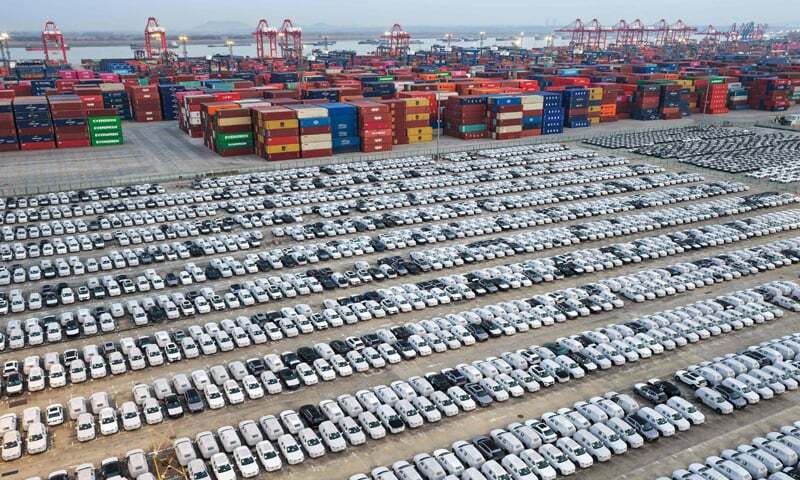
In non-energy sectors, the Middle East strikes are causing delays in shipments of rare earths for electronics and phosphates for agriculture. For instance, container ships are rerouting from Persian Gulf ports, leading to potential shortages that could impact Taiwan's semiconductor output and Southeast Asian rice yields.
Why It Matters
The Middle East strikes today expose critical vulnerabilities in global supply chains, particularly in overlooked areas like electronics and agriculture. Real-time data shows a 12% surge in lithium and cobalt prices, tied to rerouted shipments from Africa. In agriculture, phosphate fertilizers from Gulf-adjacent regions are facing bottlenecks, potentially reducing yields by 3-5% in emerging markets like Indonesia, as per FAO models.
These disruptions are accelerating a shift toward alternative supply chains, with U.S. trade probes adding to inflationary pressures. Expect 2-4% increases in consumer goods CPI, while emerging markets like India and Vietnam are pivoting to new routes, such as India's Chabahar port bypass. This could reshape trade alliances, with Europe threatening firm responses to U.S. actions, potentially boosting Asia-EU partnerships.
Looking Ahead
As Middle East strikes continue, businesses and policymakers should monitor escalation risks, including expanded U.S. trade restrictions or EU countermeasures. Potential flight cuts in Malaysia could occur if fuel prices exceed $120 per barrel, while electronics shortages may reduce Taiwan's output by 5%. Watch for supply chain pivots, with India and Vietnam emerging as key hubs, and possible shifts in global alliances that reduce dependency on Middle Eastern routes by 15-20% long-term.