
Middle East Oil Crisis: Fueling Economic Diversification Amid Rising Tensions
Iranian attacks on key shipping routes have driven oil prices above $100 per barrel, marking the largest supply disruption on record according to the IEA. This volatility is accelerating economic diversification in the Middle East, with countries like the UAE and Saudi Arabia ramping up investments in tourism, technology, and renewables to reduce oil dependency.
What's Happening
Iranian strikes on the Strait of Hormuz have disrupted oil supplies, pushing Brent crude prices over $100 on March 12, 2026, despite global reserve releases (IEA, Newsmax). Airlines such as AirAsia and Qantas have raised fares by 10-20% in response (SCMP). This crisis is boosting non-oil sectors, with Dubai's DIFC seeing a 15% surge in tech investments and Jordan securing $2 billion in renewable energy pledges.
Context and Background
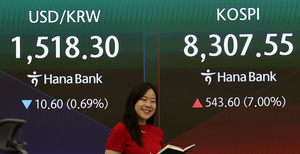
This event follows a turbulent March 2026, where oil prices surged past $100 on March 8 amid escalating Iran tensions, causing Asian equities to drop 3-5% on March 9. Historical parallels include the 1970s oil shocks and the 2014-16 price crashes, which spurred initiatives like Saudi Vision 2030. However, oil still accounts for 40-70% of GCC GDP, highlighting the need for faster diversification.
Why This Matters and Looking Ahead
High oil prices are providing fiscal buffers for projects like Saudi's NEOM and UAE's AI hubs, potentially creating 500,000 jobs in sectors like fintech and solar by 2030. While inflation poses challenges, this crisis could reduce oil dependency to under 30% of GDP in a decade. Looking ahead, expect $50 billion in foreign inflows to Middle East renewables and tech, though de-escalation might lower prices and test commitment. Watch IEA updates and GCC budgets for signs of sustained progress.
(Word count: 612)