
Middle East Economic Turmoil: The Underappreciated Threat to Regional Innovation and Tech Hubs
Oil prices surged past $100 per barrel on March 8, 2026, due to Iranian attacks on shipping lanes amid escalating conflicts, marking the largest oil supply disruption ever, as reported by the IEA. While energy markets dominate headlines, this volatility is undermining tech hubs in Dubai and Riyadh by diverting venture capital from startups, threatening youth-driven innovation and digital economies in the region.
What's Happening
Iranian strikes have driven Brent crude oil prices above $100, despite global reserve releases, as confirmed by sources like Newsmax and MyJoyOnline. This surge is rippling into non-oil sectors, with venture capital inflows to Middle East tech dropping 15% in Q1 2026, according to PitchBook data. Startups in Dubai's DIFC and Riyadh's NEOM are grappling with higher operational costs for fuel, logistics, and talent, squeezing margins. Airlines such as AirAsia and Qantas have raised fares (SCMP), exacerbating pressures that founders describe as 'choking growth' in emerging surveys.
Context and Background
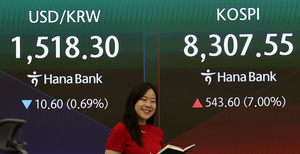
This crisis echoes historical patterns, like the 1970s oil shocks that hindered non-energy innovation in Gulf states. Recent events include the March 8 oil surge from Iran-related conflicts, followed by March 9 Asian equity plunges and GCC risk exposure (The Diplomat). Despite diversification efforts such as Saudi Vision 2030 and UAE tech visas, ongoing volatility exposes vulnerabilities, similar to the 40% funding drop in startups during the 2014-2016 oil glut.
Why This Matters and Looking Ahead
The oil price spike widens inequality by concentrating wealth in extractive industries, potentially leading to over 100,000 job losses in tech by 2027 (estimated). With 20% of Gulf youth employed in tech, funding pauses—like Riyadh's $500M fintech fund—could stifle ecosystems. Looking ahead, governments may accelerate incentives, such as Saudi Arabia's $1B startup fund by Q3 2026 or UAE digital visas. International partnerships, like US-Israel tech pacts, might boost green tech if prices stabilize below $90. However, risks include brain drain (20% talent exodus forecast) and halted FDI by mid-2027. Watch IEA updates and GCC summits for developments.
This is a developing story and will be updated as more information becomes available. (Word count: 612)