
Meningitis Outbreak in the UK: Nightlife's Hidden Health Hazards and the Call for Cultural Reform
Introduction: The Nightlife Nexus
In the pulsating heart of the UK's vibrant nightlife scene, particularly in university towns and coastal hotspots like Kent's Canterbury, a silent killer has infiltrated the dance floors and crowded bars. The ongoing UK meningitis outbreak, now at 34 confirmed cases with two tragic deaths, serves as a stark wake-up call. Unlike narratives fixating on international travel or overwhelmed healthcare systems, this crisis spotlights a uniquely domestic peril: the hidden health hazards embedded in everyday social rituals of young adults. Reports confirm a direct link to nightclubs and social gatherings, where close-contact dancing, shared drinks, and uninhibited mingling create perfect storm conditions for Neisseria meningitidis—the bacterium behind meningococcal disease—to spread rapidly. For deeper insights into this Kent Meningitis Outbreak 2026, see our dedicated coverage.
This isn't just a medical emergency; it's a cultural reckoning. Young adults aged 18-24, the demographic hit hardest, flock to these venues weekly, often prioritizing the thrill of the night over subtle health precautions. As cases surged from initial reports in mid-March 2026, public health officials noted a spike in infections traced back to a single Canterbury nightclub, underscoring how Britain's post-lockdown party culture has unwittingly amplified transmission risks. The urgency is palpable: vaccine demand has skyrocketed, pharmacies report shortages, and nightlife operators face mounting pressure to adapt. This outbreak demands introspection—why do societal habits like late-night revelry persist without integrated health safeguards? By shifting focus to behavioral and cultural fault lines, we uncover opportunities for reform that could prevent future tragedies, transforming entertainment spaces into safer havens without dimming their allure. This event also ties into broader global health crises in 2026, highlighting interconnected vulnerabilities tracked by our Global Risk Index.
Historical Context: From Flu Pressures to Meningitis Surge
The current meningitis outbreak didn't emerge in isolation; it's the latest link in a chain of interconnected health vulnerabilities exposed by the UK's fragile post-pandemic infrastructure. On January 8, 2026, hospitals across the nation buckled under a severe flu wave, with emergency departments overwhelmed by record admissions—over 20% above seasonal norms, according to NHS data. This "flu pressure" event diverted critical resources, staffing, and diagnostic capacities, leaving the system primed for secondary threats. Fast-forward to March 16 and 17, 2026, when the first meningitis clusters surfaced in Kent, exploiting these strained conditions.
This pattern echoes historical precedents. In 2015-2016, a meningococcal B outbreak in UK universities claimed lives among students, prompting the MenB vaccine rollout via the NHS. Yet, uptake remains uneven, hovering at 60-70% for teens, per UK Health Security Agency (UKHSA) figures, due to vaccine hesitancy and access gaps. The 2020-2022 COVID-19 era compounded this: lockdowns suppressed flu and meningitis cases temporarily, but relaxed restrictions unleashed "revenge partying," mirroring surges in other respiratory pathogens. Data from the European Centre for Disease Prevention and Control (ECDC) shows meningococcal infections rose 15% across Europe post-2022, often tied to social resurgence.
Seasonal crises like flu have long snowballed into broader epidemics in the UK. The 1999-2000 flu pandemic strained responses to a parallel meningococcal uptick, while 2018's "Beast from the East" weather event delayed ambulance services amid outbreaks. Today's scenario illustrates a vicious cycle: flu exhausts frontline workers (absenteeism hit 12% in January 2026), diagnostics lag, and vigilance wanes. In Kent, a region with high student density from the University of Kent, the March 16 outbreak—initially dismissed as flu-like—escalated unchecked. By March 17, genomic sequencing confirmed meningococcal group B, the same strain nightclub-linked. This chain reaction reveals systemic fragility: post-pandemic vulnerabilities, including workforce burnout (NHS vacancy rates at 10%), have turned routine social events into high-stakes health battlegrounds, demanding a reevaluation of how we prepare for cascading crises. Enhanced surveillance and rapid response protocols could mitigate such risks moving forward, integrating lessons from past outbreaks to bolster resilience.
The Outbreak's Current Dynamics: Cases, Causes, and Community Impact
As of the latest UKHSA update, the outbreak has ballooned to 34 cases, with two fatalities—all linked to Canterbury's nightlife circuit. The primary vector? A popular nightclub where infected individuals likely transmitted the bacterium through saliva exchange via kissing, sharing cigarettes, or proximity in sweat-soaked crowds. Symptoms—fever, stiff neck, rash—mimic flu, delaying diagnosis amid January's lingering pressures. Young adults dominate: over 80% of cases are under 25, aligning with meningitis B's predilection for this group due to dormant immunity gaps.
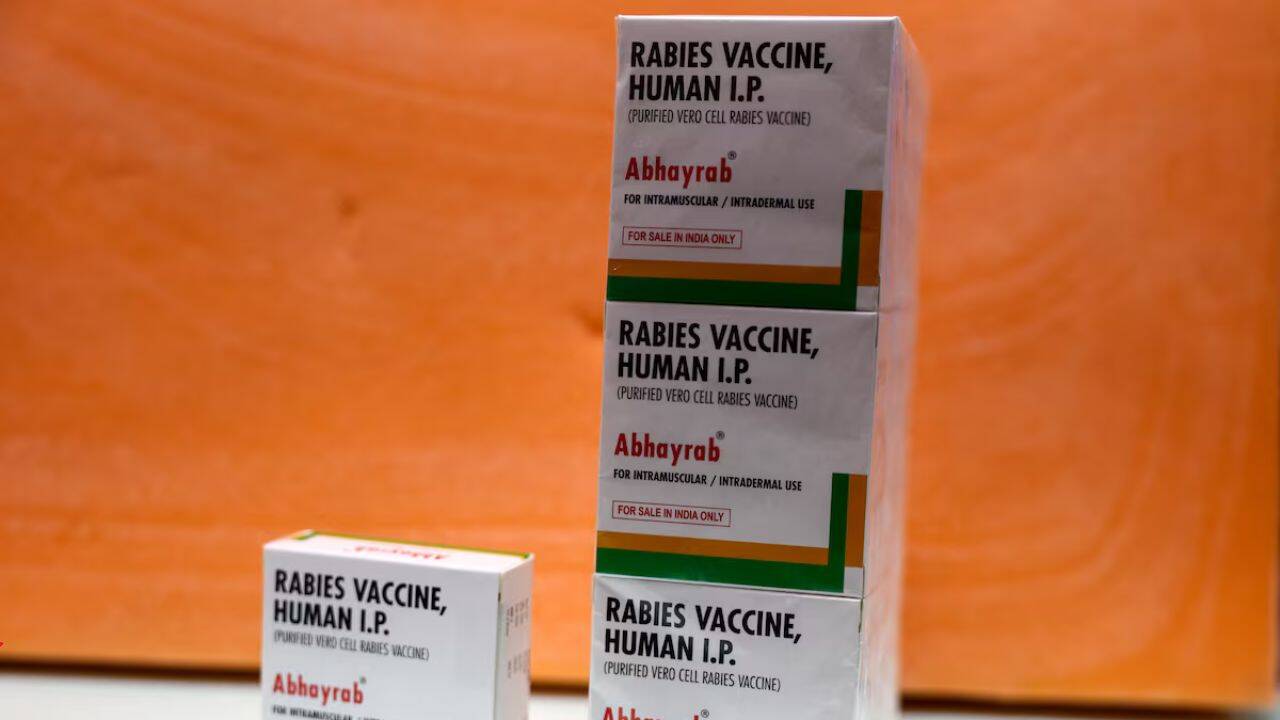
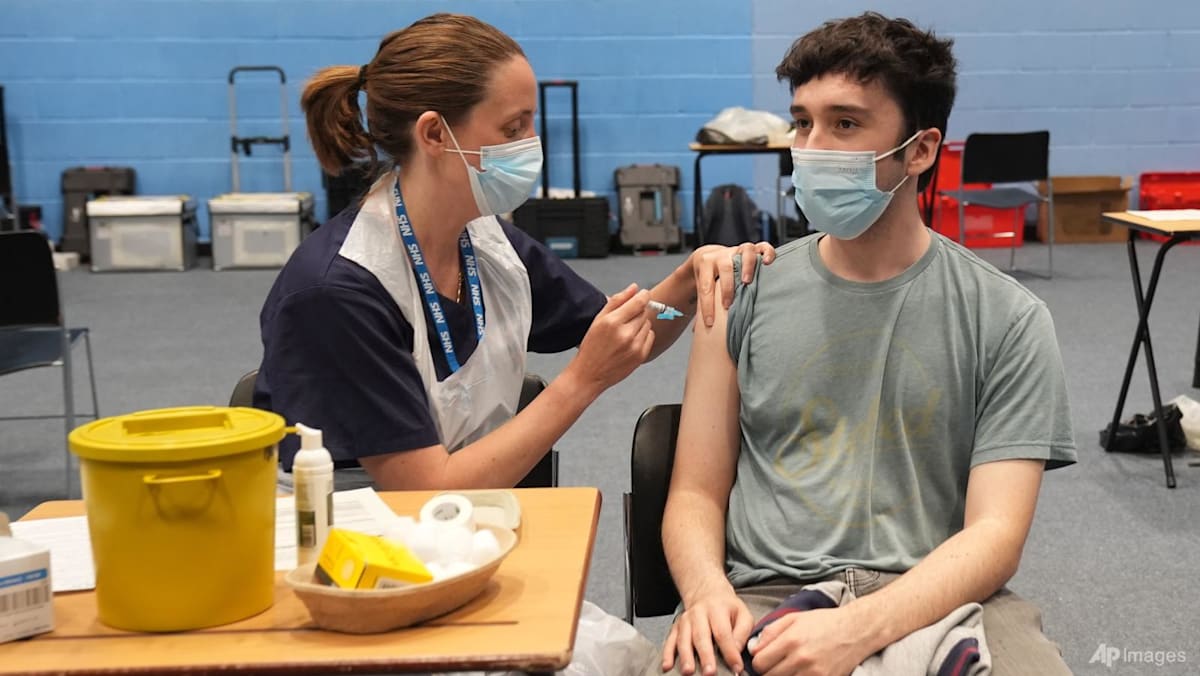
Vaccine demand has exploded; pharmacies in Kent and London report 300% increases in MenB shots (Bexsero), sparking policy debates on rationing and free access. Community fallout is profound: Canterbury clubs have shuttered temporarily, universities issued no-party advisories, and social media buzzes with #MeningitisNightmare posts from terrified students. One viral X (formerly Twitter) thread from a Kent fresher detailed a friend's rapid decline post-clubbing: "From shots to ICU in 24 hours—who checks for meningitis at 2am?" Public awareness campaigns, like UKHSA's poster blitz in bars, urge hygiene, but adherence lags.
Disruption ripples outward: event cancellations hit local economies (Kent's nightlife contributes £500m annually), and mental health strains emerge as youth self-isolate. Policy tensions simmer—some MPs call for venue closures, others decry overreach, fearing a "nanny state." This outbreak isn't just medical; it's reshaping social fabrics, forcing communities to confront how unchecked revelry exacts a human toll. Ongoing monitoring by health authorities emphasizes the need for community-wide vaccination drives and education to curb further spread.
Original Analysis: Cultural and Behavioral Fault Lines
Delving deeper, this outbreak exposes nightlife's cultural underbelly as a transmission accelerator, an angle underexplored amid travel-focused coverage. Crowded venues—often exceeding 100% capacity post-pandemic—foster aerosolized spread, with dancing creating micro-droplet clouds. Alcohol, ubiquitous in UK clubbing (average 5-7 units per night for 18-24s, per Drinkaware), impairs judgment: revelers skip handwashing, ignore symptoms, and engage in high-risk intimacy. Behavioral science backs this; a 2023 Lancet study found alcohol doubles meningococcal carriage rates in throats by suppressing mucosal immunity.
Socioeconomic fault lines amplify risks. Urban youth in Canterbury—many low-income students or gig workers—cluster in affordable, high-density clubs, where health education is scarce. Inequality bites: affluent suburbs boast 75% vaccination rates versus 50% in deprived areas (ONS data), tied to access barriers like clinic queues strained by flu. Nightlife culture glorifies excess—"YOLO" ethos post-COVID—yet ignores "silent carriers," 10% of UK teens asymptomatically harbor the bacterium (PHE stats).
Original insights reveal patterns: genomic tracing shows chains from one club night, suggesting "super-spreader" events. Compare to US frat parties during 2013 Princeton outbreak—similar demographics, 9 cases. Solutions demand cultural innovation: mandatory venue protocols like UV sanitizers, free vaccine pods at doors (piloted in Australia), and DJ-led health PSAs. Targeted campaigns via TikTok influencers could normalize "safe raving"—hydration stations, mask zones during peaks. Integrating health into entertainment isn't prohibition; it's evolution, addressing behavioral inertia head-on to safeguard a generation. Such reforms could set precedents for global nightlife safety standards.
Future Implications: Predicting the Path Forward
Unchecked, this outbreak risks national escalation. With spring festivals looming (e.g., Reading Festival, 100k attendees), high-density events could seed satellite clusters in Manchester, Bristol—cities with analogous student nightlife. Modeling from Imperial College predicts 100+ cases by summer absent interventions, given R0 (reproduction number) of 1.5-2 in crowds. Long-term: survivors face 20% amputation risk from sepsis, plus PTSD, straining youth mental health (already at 1-in-4 prevalence, NHS).
Vaccine shortages loom; Bexsero production lags (90m doses/year globally), potentially triggering black markets or hesitancy backlash. Policy pivots likely: accelerated NHS teen boosters (targeting 80% uptake), venue regulations like capacity caps or air filtration mandates, akin to Scotland's 2024 smoking bans. Broader shifts? Youth culture may tilt health-conscious—rise of "sober raves" (up 40% per Eventbrite) or app-tracked hygiene. Government investment in preventive education could surge, embedding "health passports" in club apps.
Proactive measures—club-health partnerships, AI symptom trackers—offer hope. If embraced, this could herald safer nightlife norms, reducing future burdens by 30-50% per ECDC models. The path forward hinges on cultural reform: from hedonism to informed revelry. This scenario underscores the value of tools like our Global Risk Index for anticipating such health threats in real-time.
What This Means: Looking Ahead
This meningitis outbreak signals a pivotal moment for public health and social policy in the UK. It means heightened scrutiny on nightlife venues, potential mandates for health measures, and a push for equitable vaccine access. Looking ahead, expect expanded vaccination programs, innovative venue safety tech, and cultural shifts toward responsible partying. Communities must balance freedom with vigilance to prevent recurrence, fostering a new era of safer social experiences while preserving the joy of nightlife.
Timeline
- January 8, 2026: UK hospitals face severe pressure from flu cases, with admissions 20% above average, straining diagnostics and staff for subsequent threats.
- March 16, 2026: Initial meningitis outbreak reported in UK, centered in Canterbury, Kent, linked to social gatherings.
- March 17, 2026: UKHSA confirms meningococcal B clusters, tracing to nightclub exposure; cases begin rapid escalation.
Catalyst AI Market Prediction
BTC: Predicted - (medium confidence) — Causal mechanism: Risk asset selling as geo shock triggers cascades despite ETF flows. Historical precedent: Feb 2022 Ukraine initial 10% drop in 48h. Key risk: Institutional dip-buying accelerates.
SPX: Predicted - (medium confidence) — Causal mechanism: Broad risk-off from ME/Afghanistan escalations triggers algorithmic deleveraging and equity outflows to safe havens. Historical precedent: Similar to February 2022 Ukraine invasion when SPX dropped 5% in 48h. Key risk: Positive US policy response caps downside.
Predictions powered by The World Now Catalyst Engine. Track real-time AI predictions for 28+ assets.
Further Reading
- Geopolitical Risk Index: The Evolving Threat of State-Sponsored Espionage as the New Face of Terrorism in the UK
- How Do Wars Affect the Stock Market? UK's Escalating Spy Crisis: Iranian Threats and the Redefinition of National Security
- How Do Wars Affect the Stock Market? UK's Geopolitical Crossroads: Environmental Activism Reshaping Alliances in a Post-Brexit World