Mauritania Grapples with Precarious Nutritional Crisis Across 63 Districts and Refugee Camp, IPC Analysis Reveals
Nouakchott, Mauritania – A newly released acute malnutrition analysis has painted a stark picture of Mauritania's nutritional landscape, classifying the national situation as "very precarious" in the majority of the country's 63 administrative districts, known as moughataas, as well as the Mberra refugee camp. The Integrated Food Security Phase Classification (IPC) report, published on January 5, 2026, projects medium severity risks from November 2025 through October 2026, underscoring urgent vulnerabilities amid ongoing food insecurity challenges.
The analysis, the first comprehensive IPC review of acute malnutrition to cover all 63 moughataas and the Mberra camp housing Malian refugees, highlights widespread precarious conditions. According to the report: "SITUATION NUTRITIONNELLE NATIONALE PRECAIRE EN 2025-2026, DANS 63 MOUGHATAA ET LE CAMP DE RÉFUGIÉS DE MBERRA." It further states that "la situation nutritionnelle est tres précaire dans la grande majorité des Moughataas," indicating that the nutritional status is critically fragile across vast swathes of the population.
IPC analyses employ a standardized global methodology to classify acute malnutrition phases based on anthropometric data, mortality rates, and dietary indicators. A "medium" severity rating signals elevated risks of acute malnutrition, particularly among children under five and pregnant or lactating women, where global acute malnutrition (GAM) rates often exceed acceptable emergency thresholds of 10-15%. In Mauritania's context, this assessment points to hotspots where interventions are immediately needed to prevent escalation into "serious" or "critical" phases.
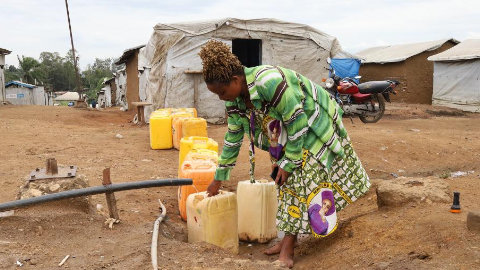
The report's scope is nationwide, encompassing urban, rural, pastoral, and agro-pastoral zones. The Mberra refugee camp, located in southeastern Mauritania near the Malian border, emerges as a particular concern. Established in 2012 amid Mali's conflict, the camp currently shelters tens of thousands of Malian refugees, who rely heavily on humanitarian aid. Nutritional strains here are compounded by limited access to diverse foods, water scarcity, and disease outbreaks, mirroring patterns seen in other Sahel refugee settings.
Underlying Drivers and Regional Context
Mauritania, a vast Saharan nation in West Africa with a population of approximately 4.7 million, has long battled food and nutrition insecurity. Its arid climate, recurrent droughts, and dependence on rain-fed agriculture and livestock exacerbate vulnerabilities. The Sahel region, including Mauritania, has faced intensified shocks in recent years: prolonged dry spells linked to climate change, locust invasions, and economic pressures from global commodity fluctuations. In 2023-2024, for instance, El Niño-induced droughts affected over 1.2 million Mauritanians, prompting appeals from the World Food Programme (WFP) for emergency funding.
Refugee dynamics add another layer. The Mberra camp, managed by the UNHCR and partners, has hosted up to 50,000 Malian refugees at peaks during Mali's instability. Nutritional surveys in similar camps have repeatedly shown GAM rates hovering near 15%, driven by aid disruptions and seasonal food gaps. The IPC analysis aligns with prior warnings; a 2024 IPC report had already flagged 20 moughataas in "Crisis" or "Emergency" food insecurity phases during the lean season (June-August).
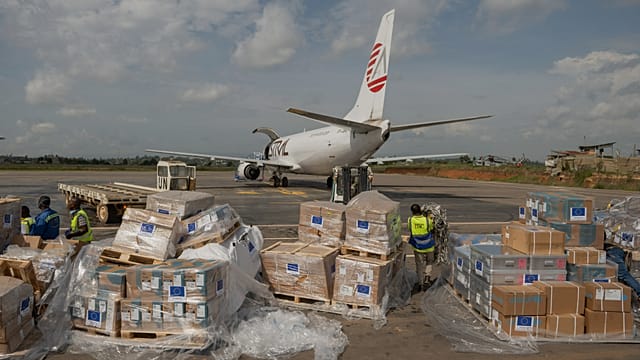
Government and humanitarian responses have included cash transfers, supplementary feeding programs, and fortification initiatives. The Mauritanian Ministry of Health, in collaboration with UNICEF and WFP, has scaled up community management of acute malnutrition (CMAM) protocols. However, the new analysis signals that current efforts may fall short for the projected period, potentially affecting hundreds of thousands, including 400,000 children under five nationwide who are at risk.
Implications and Calls for Action
The medium severity classification demands proactive measures. IPC recommendations typically urge sustained funding for prevention—such as blanket supplementary feeding in high-risk areas—and treatment scaling. In Mauritania, this could involve bolstering early warning systems, improving market access in remote moughataas like those in Hodh Ech Chargui or Trarza, and enhancing resilience through drought-resistant crops and pastoral support.
Stakeholders, including the IPC Global Partnership, emphasize that without accelerated interventions, the precarious situation could tip into higher phases by the 2026 lean season. The report's release coincides with Mauritania's National Nutrition Security Policy (2021-2025), now extended, which prioritizes multi-sectoral approaches.
As the world tracks Sahel-wide crises—from Sudan's spillover effects to Niger's instability—Mauritania's nutritional precarity serves as a bellwether. International donors, already stretched by polycrises, face renewed pressure to prioritize the region. Local health officials have yet to issue formal responses, but the analysis provides a critical roadmap for averting deeper humanitarian fallout through November 2026.
This IPC assessment, grounded in field data from nutrition surveys and stakeholder consultations, reinforces the need for vigilance in one of Africa's most climate-vulnerable nations. Ongoing monitoring will be essential to track progress and adapt strategies amid evolving risks.
(Word count: 612)