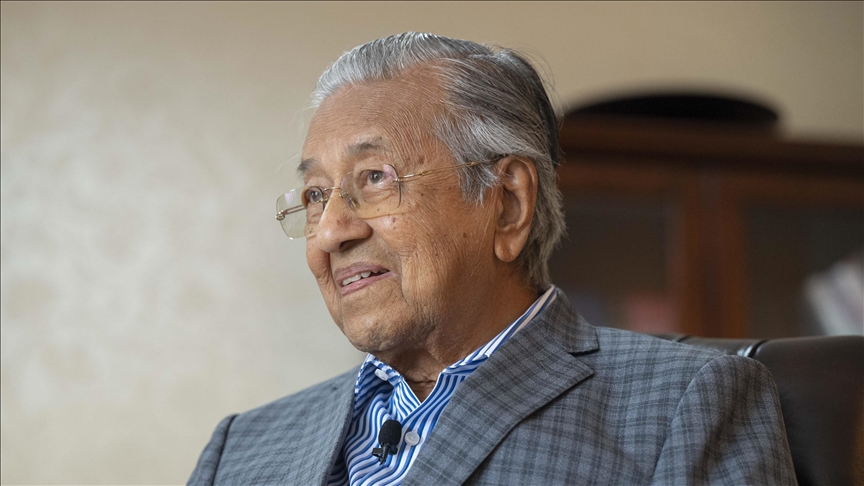

Mahathir Mohamad Criticizes Israeli Blockade of Gaza, Calls for Action
In a strong condemnation of the ongoing humanitarian crisis in Gaza, former Malaysian Prime Minister Mahathir Mohamad has publicly criticized the Israeli blockade that restricts aid to the region. Speaking on January 2, 2026, Mahathir highlighted the dire circumstances faced by the people of Gaza and urged the international community to take decisive action against what he described as "gross injustice."
Mahathir's remarks come amid escalating tensions in the Israel-Gaza conflict, which has been ongoing since the outbreak of violence on October 7, 2023. The blockade has severely limited access to essential goods and humanitarian aid for the people of Gaza, leading to widespread suffering and a deteriorating humanitarian situation.
"Humanity cannot claim to be civilized while we witness such atrocities," Mahathir stated during a press conference. "We see gross injustice, massacres, murders unlimited, and we do nothing." His comments reflect a broader sentiment among some politicians and activists in Malaysia, who have consistently criticized Israel's military actions and the humanitarian impact of the blockade on Palestinian civilians.
Mahathir has long been an outspoken advocate for Palestinian rights, and his recent statements align with Malaysia's foreign policy, which has historically supported the Palestinian cause. The former prime minister's criticism of the Israeli blockade adds to the mounting international calls for an end to the humanitarian crisis in Gaza, where access to food, medical supplies, and clean water has been critically compromised.
The Malaysian government, under Prime Minister Anwar Ibrahim, has also expressed concerns regarding the situation in Gaza. Anwar's administration has called for international dialogue and a peaceful resolution to the conflict, emphasizing the need for a two-state solution that recognizes the rights of both Israelis and Palestinians.
The Israeli blockade of Gaza has been a contentious issue for many years, with critics arguing that it constitutes collective punishment of the Palestinian population. The blockade was first imposed by Israel in 2007, following Hamas's takeover of the territory, and has been a significant point of contention in international relations concerning the Israeli-Palestinian conflict.
As the humanitarian situation in Gaza continues to worsen, Mahathir's comments resonate with a growing global movement demanding accountability and action to protect the rights and lives of Palestinian people. Activists, humanitarian organizations, and governments around the world are increasingly vocal about the need for change in the region.
In conclusion, Mahathir Mohamad's recent denunciation of the Israeli blockade underscores the urgent call for humanitarian assistance and the need for a comprehensive resolution to the Israel-Palestine conflict. As Malaysia's former leader, his words carry weight and reflect a persistent commitment within the nation to advocate for justice and human rights on the global stage.






