
Maduro Opens Door to US Talks on Drug Trafficking as Tensions Escalate Over Venezuelan Oil
Caracas, Venezuela – Venezuelan President Nicolás Maduro has expressed willingness to engage in discussions with the United States on drug trafficking issues, signaling a potential thaw in bilateral relations amid heightened geopolitical pressures centered on the country's vast oil reserves. The overture comes just days after U.S. President Donald Trump announced a new oil arrangement requiring Venezuela to purchase only American-made products with the proceeds, while reports emerge of U.S. plans for long-term influence over Venezuelan energy exports.
Maduro's comments, made on January 2, 2026, represent a rare public acknowledgment of dialogue with Washington, a relationship strained for years by U.S. sanctions, accusations of authoritarianism, and Venezuela's role in regional narcotics flows. However, Maduro sidestepped questions about a recent attack in Venezuela that sources claim was attributed to the U.S., highlighting ongoing mutual distrust.
The development unfolds against a backdrop of aggressive U.S. policy shifts toward Venezuela following Trump's return to the White House. On January 7, Trump declared that Venezuela had agreed to a novel oil deal stipulating that funds from energy sales would be used exclusively for buying U.S.-manufactured goods. This arrangement, as reported by Newsmax, aims to bolster American industries while curtailing Venezuela's ability to fund imports from rivals like China or Russia.
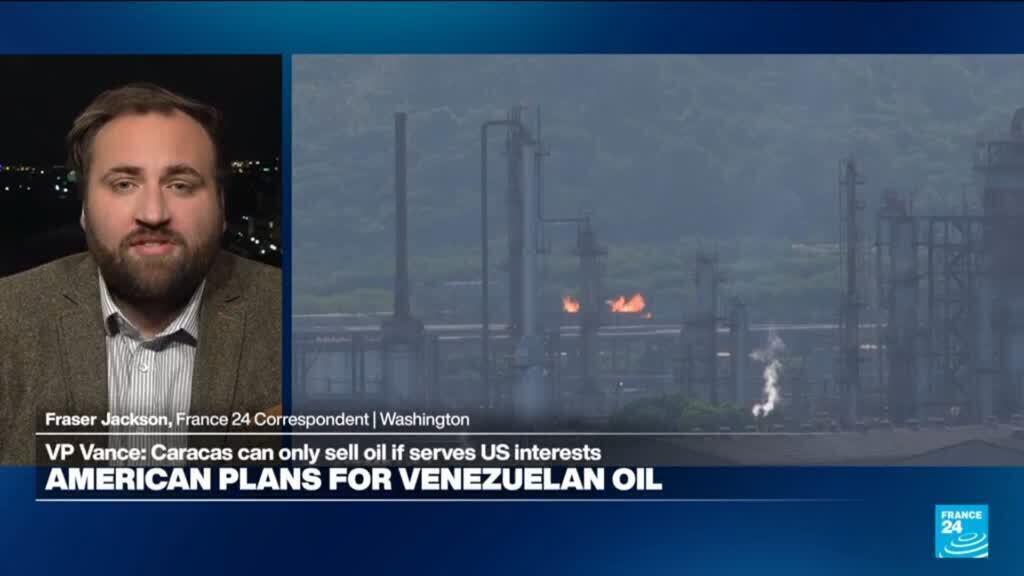
France 24 detailed broader U.S. strategies on January 8, outlining the Trump administration's intent to exert "long-term control" over Venezuela through its interim leadership. The report described measures including directing the actions of interim President Delcy Rodríguez – Maduro's vice president, positioned here in a transitional role – and overseeing oil exports. Tactics mentioned include a potential naval blockade and threats of further military force to ensure compliance, leveraging Venezuela's status as holder of the world's largest proven oil reserves, estimated at over 300 billion barrels by the U.S. Energy Information Administration.
These moves reflect a hardening of U.S. posture amid Venezuela's deepening economic crisis. Hyperinflation, mass emigration exceeding 7 million people since 2015, and contested elections have fueled international isolation for Maduro's government. The U.S. has long accused Venezuela of facilitating cocaine trafficking from South America to the U.S., with the Treasury Department designating Maduro and allies as significant foreign narcotics traffickers in 2020. Maduro's openness to talks could address these claims, potentially easing sanctions that have crippled PDVSA, Venezuela's state oil company, reducing output from 3 million barrels per day in the early 2000s to under 800,000 in recent years.
Historical Context and Escalating Pressures
Venezuela's geopolitical saga traces back to Hugo Chávez's 1999 rise, when oil windfalls funded expansive social programs but also sowed fiscal dependency. Maduro's 2013 succession amid falling prices led to collapse, prompting U.S. recognition of opposition leader Juan Guaidó as interim president in 2019. Though Guaidó's influence waned, sanctions persisted, targeting gold and oil revenues.
Trump's first term intensified measures, including Chevron's limited licensing for humanitarian oil purchases. His 2025 reelection has revived interventionist rhetoric, with Venezuelan oil now framed as a tool for U.S. economic leverage. The proposed "buy American" clause in the oil deal echoes protectionist policies, potentially redirecting billions in petrodollars to U.S. manufacturers and reducing Venezuela's ties to BRICS nations.
Delcy Rodríguez's mentioned interim role suggests internal shifts or U.S.-backed scenarios post-Maduro, though Maduro remains firmly in power as of the latest reports. A naval blockade, if implemented, would evoke Cold War-era tensions and risk broader Latin American backlash, as seen in past OAS debates.
Experts note Venezuela's strategic position: its Orinoco Belt holds heavy crude vital for global refineries, but underinvestment has left fields decaying. U.S. coercive influence, per France 24, could extend regionally, pressuring neighbors like Colombia on migration and drugs.
Outlook Amid Uncertainty
Maduro's drug trafficking overture may test U.S. reciprocity, but evasion on the alleged attack underscores fragility. Trump's oil mandates risk provoking defiance, with Maduro allies like Russia and Iran historically countering sanctions via barter deals.
As talks loom, stakeholders watch for de-escalation signals. The U.S. State Department has not commented on Maduro's remarks, while PDVSA output stabilization hinges on investment. With severity rated high by monitoring platforms, these events could reshape hemispheric dynamics, balancing counternarcotics cooperation against resource nationalism.
(Word count: 612)






