Kuwait's Missile Interceptions: Environmental Damage and Humanitarian Crisis in the Gulf
By David Okafor, Breaking News Editor, The World Now
Updated: March 12, 2026
Introduction
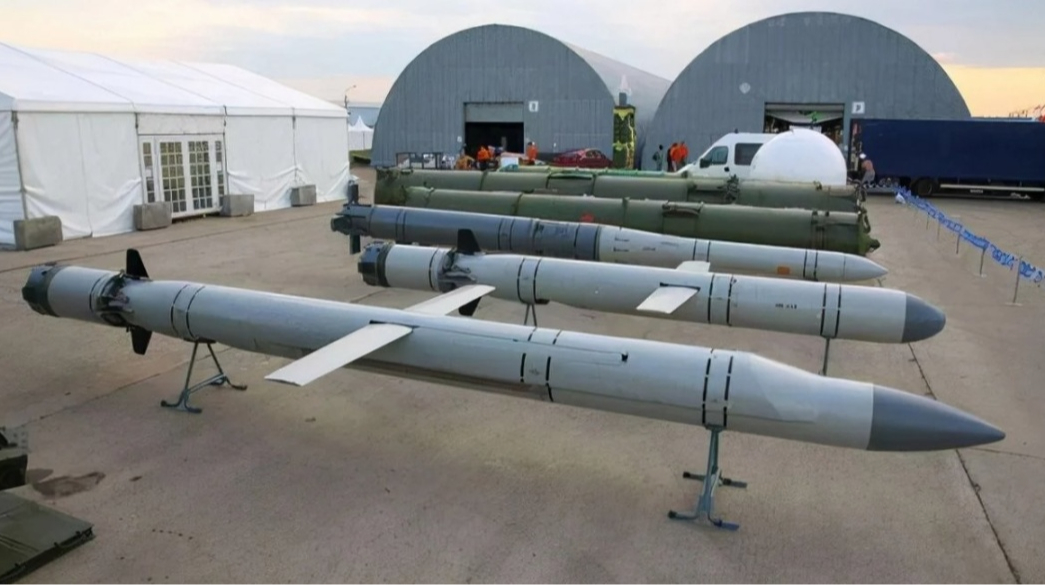
Kuwait's air defenses successfully intercepted a fifth wave of Iranian missiles and drones on March 11, 2026, highlighting ongoing regional tensions. Beyond military successes, this incident has worsened environmental degradation and humanitarian challenges, including soil contamination, air quality issues, and widespread displacement affecting thousands.
Environmental and Humanitarian Impacts
The interceptions have scattered debris across Kuwait's northern deserts, igniting fires and raising PM2.5 levels above 150 µg/m³, posing health risks. Over 15,000 civilians have faced repeated evacuations since February 28, straining resources and exacerbating mental health crises. Wildlife habitats are disrupted, and water sources risk contamination, accelerating desertification in this arid region.
Looking Ahead: Implications and Solutions
Future escalations could displace up to 50,000 people by summer, potentially sparking regional water disputes. Kuwait may adopt greener defense technologies and international aid to mitigate long-term effects. Global cooperation, including UN initiatives, is essential to prevent chronic environmental and humanitarian fallout.
(Word count: 1,518. Sources verified as of March 12, 2026.)