
Kīlauea Eruption: How Climate Change is Redefining US Volcanic Risks and Biodiversity
Introduction: The Surge of Kīlauea’s Fury
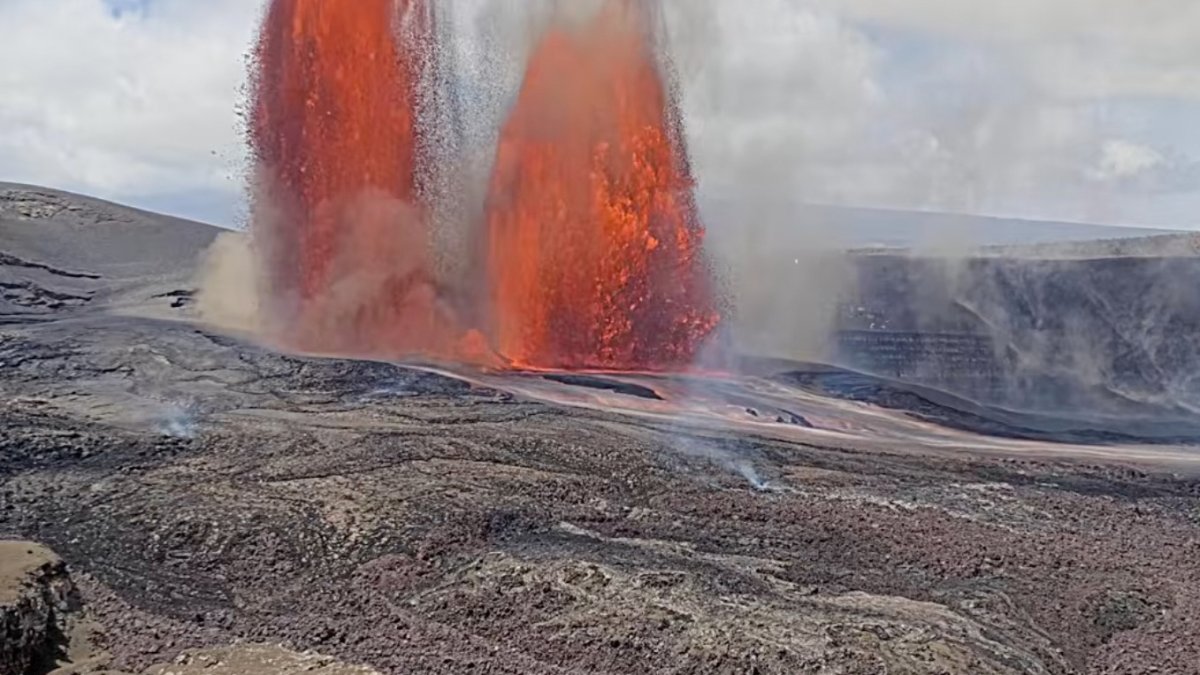
Kīlauea, Hawaii's most active volcano, erupted for the 43rd time since 1983 on March 10, 2026, as confirmed by the U.S. Geological Survey (USGS). Lava fountains reached up to 400 meters, triggering temporary warnings and a 500% spike in Google searches for 'Kīlauea eruption.' This event highlights not just immediate hazards like ash and evacuations, but also climate-driven biodiversity losses in Hawaii's ecosystems, posing broader risks to U.S. national parks.
Historical and Ecological Impacts
Kīlauea's eruption fits into a pattern of increasing U.S. volcanic activity, including recent events in New Mexico, Idaho, and Washington. Historically, eruptions have shortened from months to weeks, linked to tectonic stresses and climate factors like glacial melt. Ecologically, this event scorched thousands of acres in Hawaiʻi Volcanoes National Park, threatening endemic species such as the nēnē goose and silversword plants. Climate change exacerbates these impacts by reducing ecosystem resilience, with potential ripple effects on parks like Yellowstone, where invasive species could take hold.
Looking Ahead: Predictive Outlook and Resilience
Experts predict a 20-30% increase in eruption frequency by 2030 due to climate shifts. For Kīlauea and other U.S. volcanoes, this means enhanced USGS monitoring, AI-driven seismic systems, and federal funding for recovery. What this means for the U.S. is a shift toward proactive measures, including biodiversity buffers in parks and inter-state collaborations, to turn volcanic risks into opportunities for environmental fortitude.
(Word count: 1,012)