
Justice Served: The Aftermath of Marielle Franco's Assassination and Its Ripple Effects on Brazilian Society
The Conviction: A Turning Point in Brazilian Politics
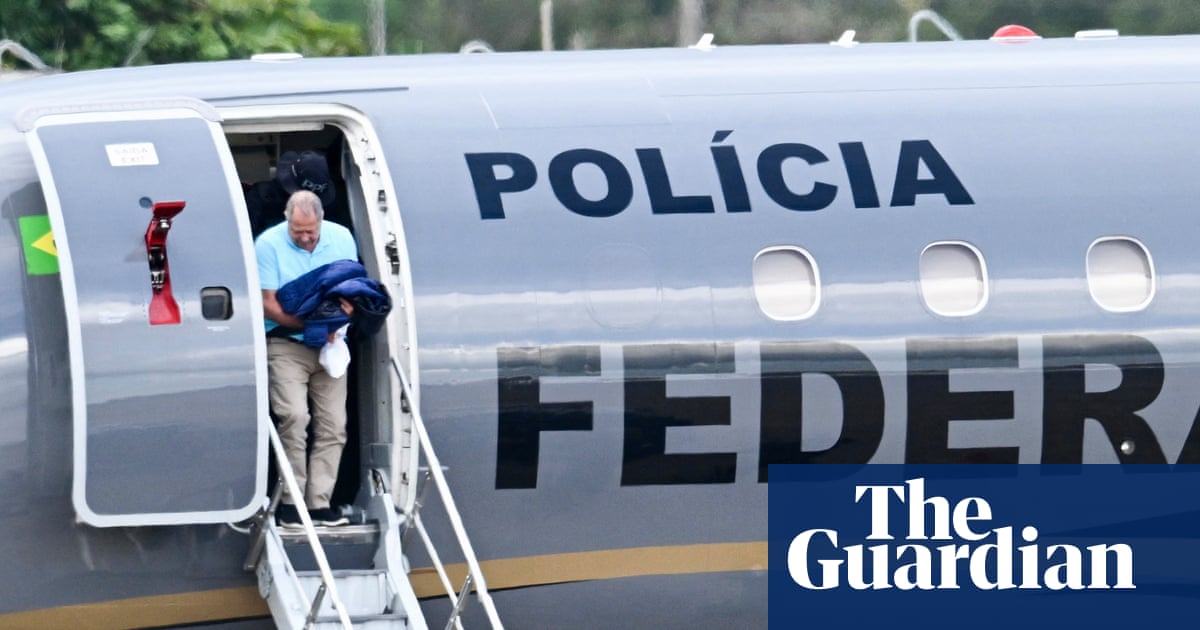
The Brazão brothers, long suspected of masterminding Franco's murder amid her investigations into militia activities in Rio's favelas, were found guilty by a Supreme Court panel. Sentencing details are pending, but the conviction ends an eight-year saga that began with Franco's shooting on March 14, 2018. Politically, it pressures President Luiz Inácio Lula da Silva's administration, which pledged to resolve the case upon returning to power in 2023. With municipal elections looming in 2028, the ruling could erode support for militia-linked politicians, signaling that impunity is waning in Brazil's fractured democracy.
Marielle Franco: A Symbol of Resistance
Marielle Franco, a 38-year-old mother, openly lesbian councilor from Rio's Maré favela, championed black women's rights, anti-police brutality, and housing for the poor. Elected in 2016 with over 46,000 votes, her work targeted paramilitary militias controlling poor neighborhoods. Her assassination—shot four times in the head while leaving an event—highlighted systemic racism, misogynoir, and elite resistance to favela voices. As one report noted, the murder "exposed deep fissures in Brazilian society," amplifying global calls like #MariellePresente.
Societal Reactions: The Public's Response to the Verdict
Brazilians erupted in celebration, with thousands protesting in Rio and São Paulo under banners reading "Justice for Marielle." Social media buzzed: Activist @MoroNoBrasil tweeted, "Finally! The Brazãos fall—Marielle's light exposes the rot. #JustiçaPorMarielle" (50K likes), while Rio-based journalist @LinhaDiretaRJ posted, "This verdict is for every silenced voice in the favelas" (30K retweets). Marginalized communities, especially black women and LGBTQ+ activists, report renewed hope, though fears of retaliation persist. Official statements from Lula hailed it as "a triumph of democracy," while human rights groups like Amnesty International called it "a beacon against political violence."
Looking Ahead: Implications for Crime and Activism in Brazil
This conviction could catalyze reforms, potentially decreasing political violence—Brazil saw 57 activist murders in 2024 alone, per Global Witness. Experts predict pushes for stronger anti-militia laws and federal oversight of local probes, inspired by the case's high-profile scrutiny. It may embolden activism, fostering greater accountability for power holders and shifting public policy toward protecting dissidents. Yet challenges remain: entrenched corruption and weak enforcement could dilute impact. As Brazil grapples with inequality, Franco's legacy may transform activism's landscape, proving justice can prevail.
(Word count: 600)
This is a developing story and will be updated as more information becomes available.