Jaishankar Asserts India's Right to Self-Defense Amid Rising Tensions with Pakistan

Latest from X
Jaishankar Asserts India's Right to Self-Defense Amid Rising Tensions with Pakistan
New Delhi, January 4, 2026 – India's External Affairs Minister S. Jaishankar has reiterated the nation's unwavering stance on self-defense against terrorism, particularly in response to ongoing challenges from neighboring Pakistan. In a series of statements made on January 2, Jaishankar emphasized that India reserves the right to determine how it exercises its self-defense mechanisms, signaling a firm policy against cross-border threats. This comes at a time when India's broader 'Neighbourhood First' policy is facing significant tests due to evolving geopolitical dynamics in South Asia.
Jaishankar's remarks, delivered during a recent address, underscored the persistent issue of terrorism emanating from across the border. "How India exercises its right to defend itself against terrorism is up to India," he stated, as reported by Amar Ujala. He further criticized Pakistan for its alleged support of terrorism, asserting that no country can dictate India's response to such threats. In a pointed comment reported by The Economic Times, Jaishankar said, "You can’t ask for water and continue terrorism," highlighting the incompatibility of peaceful cooperation, such as water-sharing under the Indus Water Treaty, with sustained hostility.
This rhetoric follows a history of tensions between India and Pakistan, including the 2025 conflict triggered by Operation Sindoor, a military campaign launched by India in response to a deadly attack in Jammu and Kashmir. While the immediate context of Jaishankar's latest statements does not reference a new military operation, they reflect a continuation of India's firm stance against terrorism and its resolve to protect national security interests.
Background: India's 'Neighbourhood First' Policy Under Strain
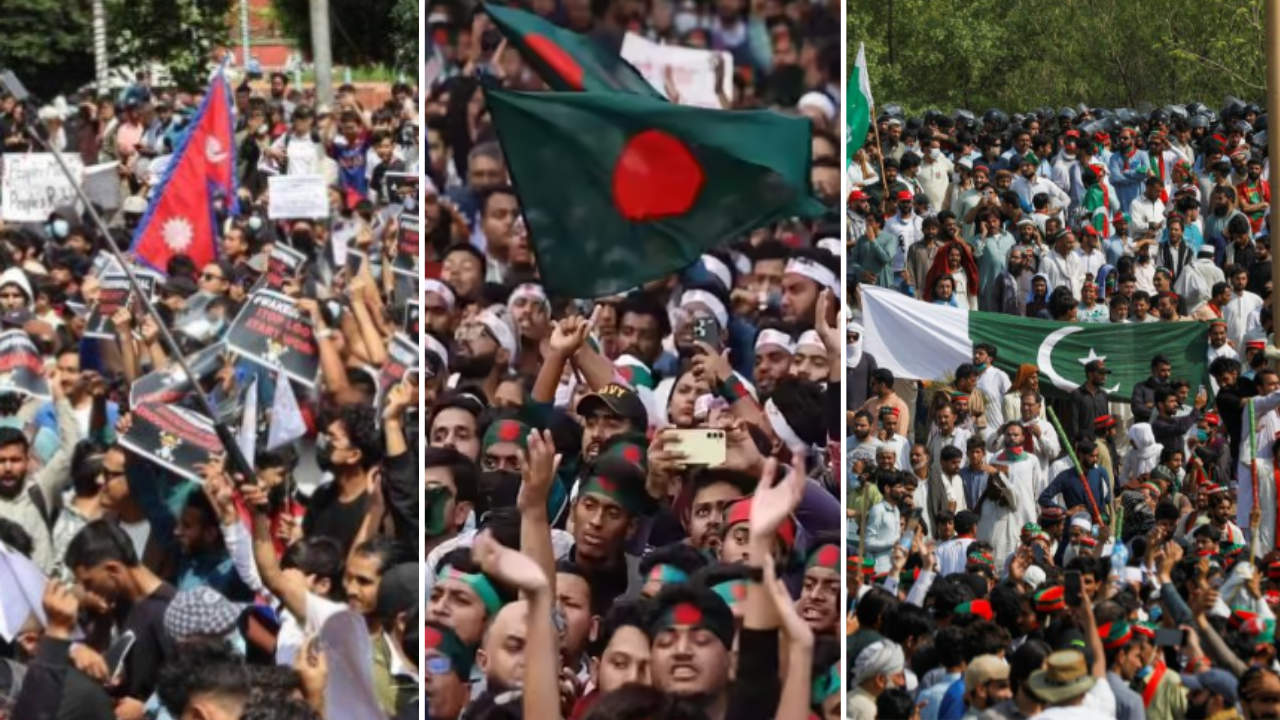
India's foreign policy has long prioritized fostering strong ties with its immediate neighbors through the 'Neighbourhood First' initiative, which aims to promote regional stability and economic cooperation. However, as outlined in a recent analysis by the Times of India, this policy is set to face its greatest test in 2026. Complex dynamics with countries like Pakistan, Bangladesh, and Nepal are creating challenges for New Delhi. With Pakistan, the unresolved issue of cross-border terrorism remains a primary obstacle to any meaningful dialogue or cooperation.
The historical context of India-Pakistan relations adds weight to Jaishankar's statements. Decades of conflict, from the partition in 1947 to more recent military engagements, have fostered deep mistrust. India's accusation that Pakistan harbors and trains terrorists—often targeting Indian soil—has been a recurring theme in bilateral relations. Jaishankar's recent comments align with India's broader doctrine of "zero tolerance" toward terrorism, a policy that has gained prominence in the aftermath of incidents like the 2008 Mumbai attacks and the 2025 Pahalgam attack.
Regional Implications and Global Reactions
Jaishankar's assertion of strategic autonomy—stating that "nobody can tell India what to do"—reflects a growing confidence in India's geopolitical posture. This stance is not only directed at Pakistan but also serves as a message to the international community that India will prioritize its security interests over external pressures. Posts on social media platforms like X from verified accounts, including news outlets such as Amar Ujala and Mathrubhumi English, indicate widespread coverage of Jaishankar's warnings to Pakistan, with many echoing his emphasis on India's right to defend itself from "bad neighbors."
The timing of these statements is significant, as South Asia remains a volatile region with competing interests from global powers. India's insistence on handling its security concerns independently could influence its diplomatic engagements with other neighbors and major powers in 2026, as regional stability hangs in the balance.
Outlook: A Test for India's Regional Strategy
As India navigates these turbulent waters, the 'Neighbourhood First' policy will be under scrutiny. Balancing assertive defense policies with the need for regional cooperation will be critical. Jaishankar's comments suggest that India is prepared to take a hardline stance against terrorism, even if it strains relations with Pakistan further. At the same time, New Delhi must manage its relationships with other neighbors like Bangladesh and Nepal, where domestic political shifts and external influences could complicate India's regional ambitions.
The coming months will likely reveal whether India can maintain its strategic autonomy while addressing the multifaceted challenges in its neighborhood. For now, Jaishankar's words serve as a reminder of India's resolve to protect its sovereignty and security, regardless of external pressures or historical grievances. As tensions persist, the international community watches closely, aware that the stability of South Asia hinges on how these geopolitical dynamics unfold.
Track this story live
Live World Map
Monitor global events in real time with a live activity map and hotspot summaries.
Markets
Connect live events to Catalyst market signals across crypto, commodities, indices, and forex.
Geopolitical Risk
Live geopolitical risk index tracking conflict zones, sanctions, and global threat levels.
Original Sources
- •
- •
- •
Editorial process: This article was synthesized from the original sources cited above using The World Now's AI editorial system, with byline accountability from our editorial team. We grade every story for source grounding, factual coherence, and on-topic match before publication. Read more about our editorial standards and contributors. Spot something inaccurate? Let us know.
Last updated: January 14, 2026






