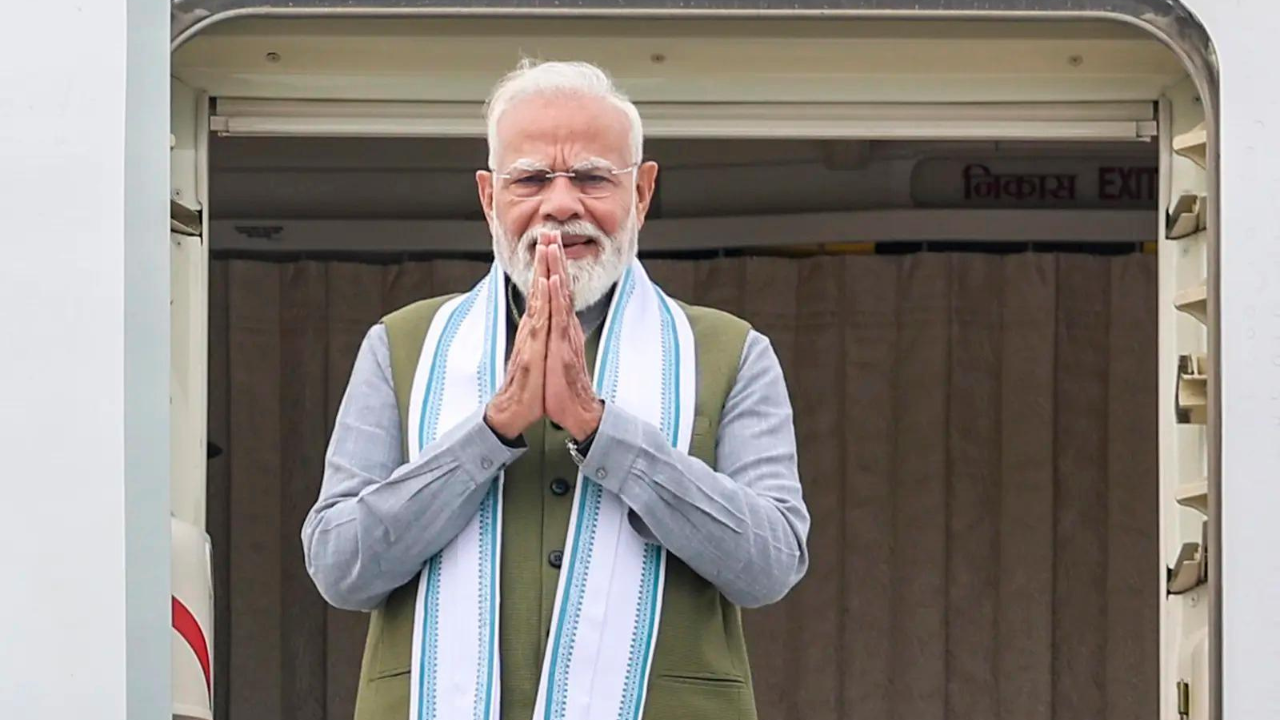
Italy Navigates Trade and Diplomatic Tensions Amid EU-Mercosur Push and Papal Critique of Global Conflicts

Latest from X
Italy Navigates Trade and Diplomatic Tensions Amid EU-Mercosur Push and Papal Critique of Global Conflicts
Rome/Vatican City, January 9, 2026 – Italy has emerged as a pivotal player in European geopolitics this week, signaling support for the long-stalled EU-Mercosur trade agreement while advocating for its postponement to address domestic concerns. Concurrently, Pope Leo XIV delivered a sharp foreign policy address from the Vatican, condemning military interventions by major powers including the United States and Russia, underscoring Italy's unique position at the crossroads of economic diplomacy and moral authority.
The EU-Mercosur deal, negotiated over 25 years, aims to create one of the world's largest free-trade zones by linking the 27-nation EU bloc with the South American Mercosur group—Brazil, Argentina, Paraguay, and Uruguay. Valued at potentially €100 billion annually in trade, the pact promises boosted exports for European industries like automobiles, chemicals, and machinery in exchange for greater access to high-quality EU agricultural products. However, it has sparked fierce opposition from EU farmers, particularly in France and Italy, over fears of cheaper South American imports undermining strict European standards on deforestation, pesticides, and animal welfare.
Italy's government, led by Prime Minister Giorgia Meloni, announced its backing for the deal on January 8, highlighting its potential economic benefits amid global supply chain disruptions and efforts to diversify trade away from China and Russia. Yet, Rome simultaneously called for postponing finalization, with a key vote among EU member states expected imminently. Agriculture Minister Francesco Lollobrigida emphasized safeguards for Italian producers, stating the "final word rests with the Prime Minister." This stance positions Italy as the crucial swing vote needed for a qualified majority, following alignment with France in December 2025 to delay an earlier ballot.
Posts found on X reflect divided sentiments: some highlight Franco-Italian pressure to halt a December vote, while others note Italy's recent positivity toward the deal if concessions are made. These inconclusive social media discussions underscore the controversy, with Italian farmers' unions protesting potential job losses and environmental risks. Proponents argue the agreement bolsters EU geopolitical leverage in Latin America, countering Chinese influence in Brazil under President Lula da Silva and supporting Ukraine against Russian aggression through diversified energy and food supplies.
In parallel, Pope Leo XIV's address on January 9 marked his most pointed intervention on international affairs since ascending the throne. Speaking in a major foreign policy speech, the pontiff lambasted how "nations were using force to assert their dominion worldwide, completely undermining peace and the post-World War II international order." He specifically critiqued U.S. and Russian military incursions into sovereign nations, declaring "war is back in vogue" and decrying the erosion of global stability. The remarks, delivered amid ongoing conflicts in Ukraine, the Middle East, and elsewhere, align with Vatican traditions of advocating multilateralism via the United Nations while opposing abortion and other social issues.
Background on Italy's Geopolitical Balancing Act
Italy's dual role amplifies these events' significance. Economically, the Mediterranean nation—Europe's third-largest economy—relies on exports, with agribusiness vital to regions like Emilia-Romagna and Puglia. The Meloni administration has prioritized "fair trade" since 2022, negotiating side deals with Mercosur on sustainability to placate critics. Geopolitically, the deal fits Italy's strategy of deepening transatlantic ties while engaging the Global South, as evidenced by Meloni's 2025 Africa summits.
The Vatican's voice adds moral weight. Enclaved within Rome, the Holy See influences Italian policy subtly, though secular governance prevails. Pope Leo XIV's predecessor, Francis, similarly critiqued great-power rivalries; this continuity reinforces Italy's soft-power projection in a multipolar world strained by U.S.-China competition, Russia's war in Ukraine (now in its fourth year), and Middle East volatility post-2023 escalations.
Outlook: High-Stakes EU Vote and Diplomatic Ripples
The EU-Mercosur vote looms as a litmus test for bloc unity. A postponement could delay ratification into 2027, risking backlash from Mercosur partners amid Brazil's push for closure. Success might unlock €4 billion in annual EU gains, per European Commission estimates, but failure could fracture Franco-Italian relations and embolden protectionists.
Pope Leo XIV's words may resonate beyond borders, pressuring Western leaders ahead of NATO summits and UN sessions. For Italy, these developments highlight its pivot from domestic recovery post-COVID and 2023 floods toward assertive global engagement.
As Brussels deliberates, Rome watches closely—balancing economic ambition with sectoral protections and echoing the Vatican's call for a rules-based order.
(Word count: 682)
Track this story live
Live World Map
Monitor global events in real time with a live activity map and hotspot summaries.
Markets
Connect live events to Catalyst market signals across crypto, commodities, indices, and forex.
Geopolitical Risk
Live geopolitical risk index tracking conflict zones, sanctions, and global threat levels.
Original Sources
- •
- •
Editorial process: This article was synthesized from the original sources cited above using The World Now's AI editorial system, with byline accountability from our editorial team. We grade every story for source grounding, factual coherence, and on-topic match before publication. Read more about our editorial standards and contributors. Spot something inaccurate? Let us know.
Last updated: January 18, 2026