Israel's Ban on Aid Groups in Gaza Sparks Humanitarian Crisis
A recent decision by Israel to impose a ban on aid organizations operating in Gaza has raised alarm among humanitarian groups and international observers. The ban, which took effect on December 31, 2025, is expected to exacerbate an already dire humanitarian situation in the besieged territory, where residents face significant shortages of food, water, and medical supplies.
The Israeli government’s move comes amid ongoing tensions and violence in the region, particularly following the escalation of the Israel-Gaza conflict that began in October 2023. The ban restricts aid groups from delivering essential services and supplies to the population, many of whom are still recovering from the severe impacts of previous military operations and the ongoing blockade.
Humanitarian Impact
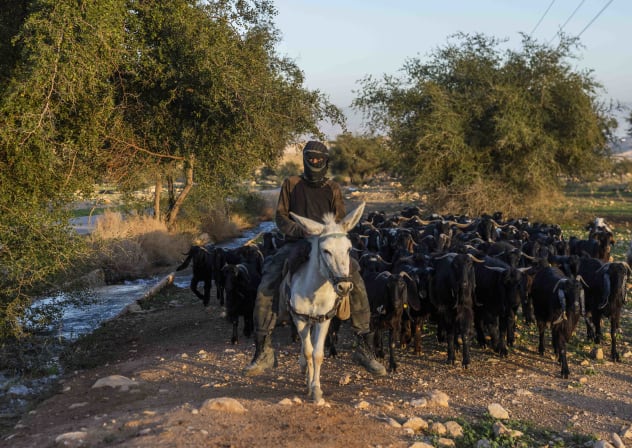
The decision has drawn widespread condemnation from various humanitarian organizations, which warn that the ban could lead to catastrophic consequences for the nearly two million residents of Gaza. With limited access to essentials, many families are already struggling to survive. Amr Aborouk, a resident of Khan Younis and a commentator on the situation, articulated the despair felt by many in the region. He described the transformation of life in Gaza, stating, "My family once lived by the land. Now survival is all that remains."
Aborouk’s reflections highlight the personal toll of the conflict. He recounts the devastation of his own home and the loss of agricultural land, which once sustained his family. His narrative underscores a broader reality faced by many Gazans—displacement, destruction, and a diminishing hope for recovery.
Context of the Ban
The ban on aid groups is part of a larger framework of military and political strategies employed by Israel in the context of its ongoing conflict with Hamas, the governing body in Gaza. Officials cite security concerns as a primary justification for the restriction, asserting that aid groups could potentially be manipulated or exploited by militant factions.
However, critics argue that these measures only serve to deepen the humanitarian crisis, as they hinder the delivery of life-saving assistance to civilians. The blockade has already severely limited the flow of goods and humanitarian aid into Gaza, leading to high levels of poverty and malnutrition among the population.
International Response
International reactions to the ban have been swift, with calls for Israel to reconsider its position. Human Rights Watch and other organizations have urged the Israeli government to allow humanitarian organizations to operate freely in Gaza, emphasizing that access to aid is a fundamental human right. The United Nations has echoed these sentiments, warning that the ban could lead to widespread suffering and further destabilize the region.
As the humanitarian situation grows increasingly critical, the international community faces a pressing challenge: balancing security concerns with the urgent need to address the human rights of those living in Gaza. Without significant changes, the outlook for the population remains bleak, as fundamental needs go unmet amid escalating tensions.
Conclusion
The ban on aid organizations in Gaza represents a significant turning point in the ongoing conflict, with immediate implications for the humanitarian landscape. As residents continue to navigate the challenges of survival, the international community must grapple with the complex realities of the situation—seeking ways to provide relief while addressing the underlying causes of the conflict. The coming weeks will be crucial in determining whether aid can once again reach those who need it most, or whether the cycle of suffering will continue unabated.