
Israeli Hostage Released from Gaza Faces Challenges in Rebuilding Life
In a significant development amidst ongoing tensions, an Israeli hostage who was released after spending two years in Gaza is now confronted with the daunting task of rebuilding his life. This release, which occurred on January 2, 2026, comes at a time when the humanitarian situation in Gaza remains dire, with many displaced Palestinians struggling to find adequate shelter as winter sets in.
The released hostage, whose identity has not been disclosed, was taken during the escalation of the Israel-Gaza conflict that erupted in October 2023. His return has sparked a mix of relief and concern within Israeli society, highlighting the emotional and psychological toll that such prolonged captivity can inflict on individuals and their families.
As the former hostage begins to reintegrate into society, he faces numerous challenges, including potential psychological trauma, the need for medical care, and the struggle to reconnect with family and friends after such a lengthy absence. Reports indicate that support services are being mobilized to assist him in this transition, though the exact nature of these services is still being outlined.
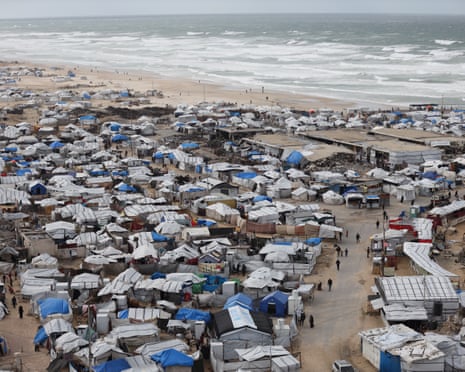
In Gaza, the humanitarian crisis continues to unfold. According to a recent article by The Guardian, displaced Palestinians are facing severe hardships as they are provided with tents that are deemed inadequate for the harsh winter conditions. The situation raises critical concerns about the living conditions for those who have been uprooted from their homes due to the ongoing conflict. The winter months are particularly harsh in the region, and many families are left vulnerable to the elements without sufficient shelter.
The juxtaposition of the released hostage’s plight and the ongoing struggles of displaced Palestinians underscores the complexities of the Israel-Palestine conflict, where individual stories of trauma and resilience coexist with broader humanitarian crises. The Israeli government has expressed its commitment to supporting citizens affected by the conflict, but critics argue that more needs to be done to address the humanitarian needs in Gaza.
As the international community watches closely, calls for a renewed focus on peace negotiations and humanitarian assistance grow louder. With recent escalations in violence and ongoing tensions in the region, the path forward remains fraught with challenges.
The release of the Israeli hostage may offer a glimmer of hope for families torn apart by the conflict, yet it also serves as a stark reminder of the human cost of war—both for those taken captive and for the countless individuals affected by the consequences of prolonged violence and instability.
In conclusion, while the release of the Israeli hostage is a significant event, it also highlights the urgent need for comprehensive solutions that address the humanitarian crisis in Gaza and pave the way for lasting peace in the region.