
Israeli Hostage Released from Gaza Faces Challenges in Rebuilding Life Amid Ongoing Civil Unrest
In a significant turn of events, an Israeli hostage who was held in Gaza for two years has been released, stirring complex emotions and challenges as he attempts to reintegrate into society. This development comes amidst escalating civil unrest in Israel, intensified by ongoing conflicts and humanitarian crises in the region.
The release of the hostage, whose identity has not been disclosed for security reasons, has raised hopes among families of other hostages still in Gaza while also highlighting the broader complexities of the Israeli-Palestinian conflict. The individual was released on January 2, 2026, marking a pivotal moment after two years of captivity, during which time the conditions in Gaza have deteriorated significantly due to continuous violence and blockades.
Experts suggest that the reintegration process for the released hostage may not be straightforward. Psychological trauma, societal expectations, and the political climate can create substantial hurdles for individuals returning from captivity. Family members and close friends express their relief at his return but also acknowledge the emotional and psychological toll that years of captivity can impose on a person.
This release occurs against a backdrop of heightened tensions in Israel, including the ongoing conflict with Gaza, which has escalated since the outbreak of violence in October 2023. The situation has prompted widespread civil unrest within Israel, as citizens grapple with the impact of the conflict on their daily lives. Protests and demonstrations have become commonplace, fueled by frustration over the government's handling of security and the humanitarian situation in Gaza.
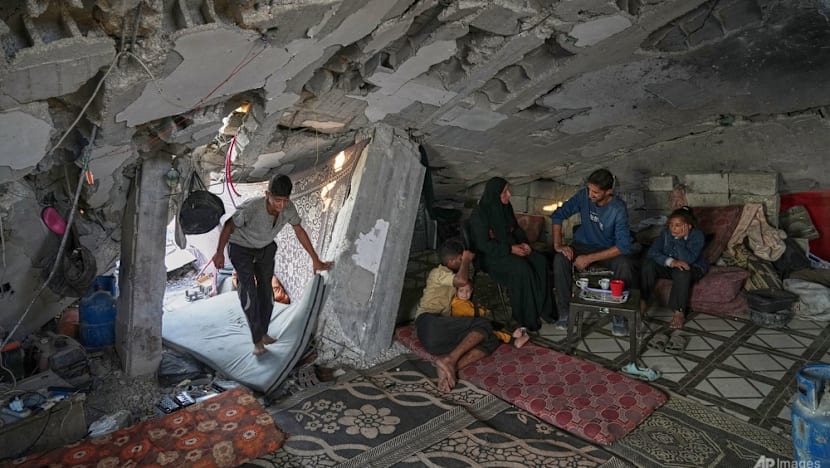
In tandem with the unrest, humanitarian organizations are facing significant challenges in providing assistance to those affected by the conflict. Doctors Without Borders recently announced that they may be forced to halt operations in Gaza by March 2026 due to escalating violence and ongoing humanitarian challenges. The organization emphasized that without a secure environment, it cannot effectively deliver medical care to those in need, further complicating the already dire situation for civilians caught in the crossfire.
The dual narrative of a released hostage and the humanitarian crisis in Gaza underscores the complexities facing both Israeli society and the Palestinian territories. As Israel continues to grapple with civil unrest, the impact of the hostage's release will likely reverberate through communities, eliciting a range of responses from joy and relief to anger and frustration over ongoing violence.
Background
The Israeli-Palestinian conflict has a long and tumultuous history, characterized by cycles of violence, military confrontations, and attempts at peace negotiations. The recent escalation began in October 2023, leading to increased military operations in Gaza and a significant humanitarian crisis, with thousands of civilians displaced and in urgent need of aid.
The hostage situation is a poignant reminder of the personal tragedies that often accompany larger geopolitical conflicts. As families await the return of their loved ones, the broader implications for peace and security in the region remain uncertain.
Conclusion
The release of the Israeli hostage marks a significant moment in the ongoing Israeli-Palestinian conflict, highlighting the human cost of prolonged violence and civil unrest. As the individual begins to rebuild his life, the challenges he faces reflect the broader struggles of both Israeli and Palestinian communities. With humanitarian organizations like Doctors Without Borders warning of potential operational halts, the future remains precarious for those caught in the conflict, underscoring the urgent need for a sustainable resolution.






